Why 'Nessaja' by Scooter Still Feels Hopeful
The meaning of Nessaja Scooter becomes clearer once they separate the song’s two sides. On one side, there is a sincere message about loneliness, regret, and reconnecting with a younger self. On the other, there is Scooter’s full-throttle rave energy, with shouted lines, pounding beats, and a sense of public celebration.
"Nessaja" - Scooter
Been searching for a place called home
I know that I've been cold as ice
Loading lyrics...
Unable to load lyrics
We're unable to display the lyrics at this time. Please try again later.
That contrast is the point. “Nessaja” turns inner healing into a dance-floor anthem.
A Dance Track Built on a Deeper Idea
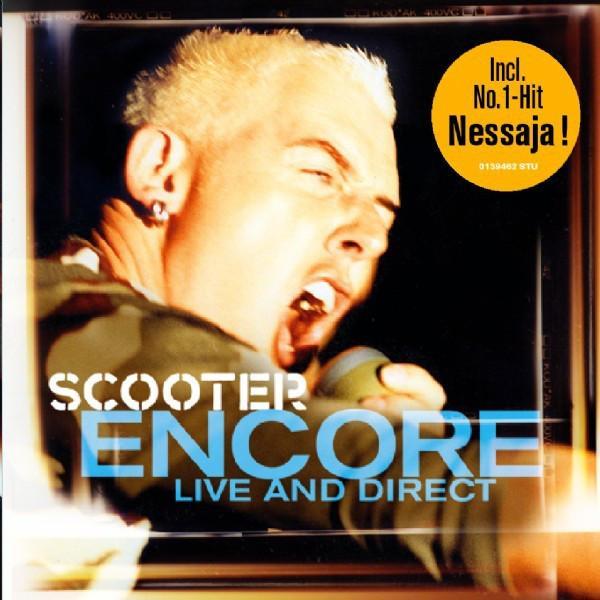
Factually, Scooter released “Nessaja” in 2002, and the song draws from Peter Maffay’s “Nessaja,” written by Peter Maffay and Rolf Zuckowski. The title itself comes from the Tabaluga universe, where Nessaja is a wise turtle character. Scooter kept the emotional core of that earlier song while transforming it into a Eurodance/hands-up hit.
The result is unusual for Scooter. They were known for high-energy singles, but here the central vocal carries a more vulnerable message. The singer looks back on a life of emotional distance and admits they had been cold as ice
. That phrase matters because it suggests self-protection, not just sadness.

Watch the official Nessaja
music video
The Core Meaning: Finding the Lost Self
At heart, the song is about someone who has lived in a disconnected way and then realizes they can still recover a buried part of themselves. Early lines describe isolation and a restless search for belonging, especially in the phrase searching for a place called home
. Home here seems less like a building and more like emotional safety.
Then the song turns inward. Its most important idea is that somewhere deep inside me
, the speaker finds the child I used to be
. In plain terms, they are not becoming childish. They are recovering qualities often lost in adult life: trust, wonder, honesty, and emotional openness.
That is why the final thought hits so hard. The repeated claim that it is not too late
gives the song its hope. After the regret in the earlier lines, this becomes a statement of rescue.
How the Verses and Hook Work Together
The verses describe the problem first: loneliness, numbness, and ignored dreams. The words suggest a person who has spent years turning away from what they really wanted. That emotional setup gives the chorus-like section its power.
Somewhere deep inside
the child I used to be
not too late
This short passage is the emotional center of the track. It reframes everything before it. The song stops being only about regret and becomes a statement about recovery.
Interpretation: They can hear this as a song about healing from adulthood itself—the way routine, disappointment, and social pressure can harden a person. By returning to the “child” within, the speaker does not erase pain. They move through it.
Why the Wild Scooter Sections Matter
A casual listener may wonder why such reflective lines sit beside chants like You ain't stoppin' us now
and other playful, chaotic hype vocals. These parts can sound almost disconnected at first.
But they serve an important purpose. Scooter often used MC-style interruptions, absurd images, and crowd-pumping phrases as part of their identity. In “Nessaja,” that technique creates a bridge between private feeling and public release. The introspective message says healing is possible; the rave energy acts it out.
Interpretation: Those shouted sections turn personal renewal into a group experience. Instead of quietly reflecting alone, the track invites listeners to reclaim joy loudly, in motion, with other people.
Sound, Speed, and Emotional Release
The production helps explain the song’s meaning as much as the words do. “Nessaja” moves with a fast dance tempo, bright synth leads, heavy kick drums, and dramatic build-ups. That sound does not soften the lyrics; it lifts them.
A slower version might have felt mournful. Scooter’s version feels defiant. The beat pushes forward even when the words admit pain. That tension creates the song’s emotional effect: it recognizes damage but refuses to stay there.
Their performance style matters too. The sung lines are direct and melodic, while the shouted interjections feel unruly and physical. Together, they mirror two human states at once:
- the inward voice that reflects
- the outward voice that fights to live
That split is a big reason the track remains memorable.
A Song About Nostalgia—or Survival?
There are at least two strong ways to read the meaning of Nessaja Scooter.
Reading One: It is about reclaiming innocence
This is the clearest interpretation. The song suggests adulthood has buried the speaker’s true self under lies, coldness, and disappointment. Rediscovering the inner child becomes a path back to emotional truth.
Reading Two: It is about survival through energy
Another reading is broader. The song may also be about using music, movement, and collective energy to break out of numbness. In that view, the rave setting is not decoration. It is the medicine.
Both readings fit because the lyrics and production are pulling in the same direction: away from emotional deadness and toward life.
Why “Nessaja” Endures
Part of the song’s staying power is its contradiction. It is sentimental without being soft, and loud without being empty. Many dance tracks aim only for adrenaline. This one gives listeners a simple emotional story to hold onto.
That story is easy to recognize in real life. Plenty of adults feel hardened by experience, cut off from earlier dreams, or unsure whether change is still possible. “Nessaja” answers that fear with a very direct idea: the better self is still there, waiting.
For that reason, the meaning of Nessaja Scooter is bigger than nostalgia. It is about recovery, hope, and refusing to let cynicism win.
Final Take on Scooter’s Message
“Nessaja” works because they fuse a childlike emotional truth with full rave force. The song admits distance, regret, and loneliness, but it does not end there. It insists that the lost self can still be found.
That is why it feels uplifting rather than sad. Beneath the chaos and speed, Scooter built a song about becoming whole again.
Disclaimer: This interpretation is based on the lyrics, performance, and known context around the song. As with any art, listeners may hear different meanings in it.







