Why 'Don't Believe Her' by Scorpions Bites
The meaning of Don't Believe Her Scorpions comes down to a blunt warning: desire can make people ignore obvious danger. In this song, they tell a fast, dramatic story about a woman who seduces, flatters, and misleads, while the narrator looks back with regret. It is less a love song than a cautionary tale.
"Don't Believe Her" - Scorpions
Got time to kill
Just livin' up my dreams
Loading lyrics...
Unable to load lyrics
We're unable to display the lyrics at this time. Please try again later.
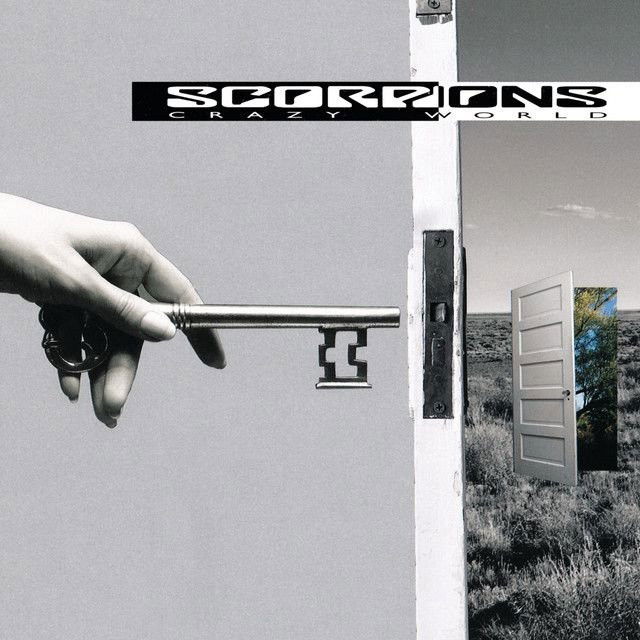
Released as a single in December 1990 from Scorpions' Crazy World album, the track arrived during a huge period for the band. That album reached No. 21 on the Billboard 200 and later went multi-platinum in the United States. Against bigger hits like “Wind of Change,” this song shows the band’s more playful, aggressive hard-rock side.
The Core Meaning Hides in Plain Sight
At its center, the song is about being pulled in by charm and then paying for it. The narrator starts in a reckless mood, out for excitement and not thinking much about consequences. That setup matters, because the song suggests he is not only tricked by someone else; he also helps create the problem by wanting the thrill.
The chorus turns that experience into a warning for everyone else. When they repeat don't believe her
, they are not just insulting one person. They are describing a pattern: promises, seduction, and emotional damage.
Interpretation: The song can be heard as a classic rock fable about temptation. The woman in the lyric may be a real person, but she also works like a symbol for risky pleasure itself.

Watch the official Don't Believe Her
music video
A Narrator Who Learns Too Late
One reason the song is easy to follow is its simple timeline. They move from temptation to experience to warning.
- The narrator begins restless and thrill-seeking.
- He meets a woman who seems exciting and dangerous.
- He gets involved before thinking clearly.
- He realizes the promises were false.
- He warns others not to repeat his mistake.
A key line in the first verse says he was too wasted to see
. That phrase does more than describe a wild night. It explains the whole song: judgment is clouded, and desire replaces common sense.
Later, the lyric says she will make your heart break
and offer heaven on earth
. The contrast is sharp. She sells fantasy, but the result is pain.
The Chorus Turns Private Regret Into Public Advice
The hook is catchy because it works like a shouted red flag. The verses are personal, but the chorus broadens the story. Suddenly the narrator is not only talking about what happened to him. He is speaking to any listener who might get pulled into the same trap.
She'll make your heart break
She'll give you fever
She'll tell you everything
but don't believe her
That short section captures the whole emotional arc: attraction, physical rush, sweet talk, then betrayal. Even without giving many details, the song makes the pattern feel familiar.
Broken Dreams, Heat, and Danger
The imagery is simple but effective. The song talks about a street of broken dreams
and getting burned by the heat
. These are not subtle images, but that is part of the appeal. Scorpions use direct language so the warning lands fast.
The “street” image suggests a cycle bigger than one romance. It feels like a place where people keep making the same mistake. The “heat” image points to sexual attraction, pressure, and danger all at once.
Interpretation: The woman in the song is drawn in almost mythic terms, like a femme fatale from pulp fiction. That does not mean listeners need to take every line literally. The song is building a dramatic character type: beautiful, persuasive, and destructive.
How the Sound Sells the Story
Musically, “Don’t Believe Her” supports its message with speed and punch. Scorpions were working in a polished hard rock style on Crazy World, with production by Keith Olsen and the band. The guitars are crisp, the drums drive hard, and Klaus Meine’s vocal sits between warning and excitement.
That balance matters. If the track sounded only sad, it would lose its edge. Instead, the music feels seductive too. The riff pulls listeners forward while the lyric tells them to back away. That tension mirrors the story itself.
This was typical of the band around the 1990 album: big choruses, sleek production, and hooks built for radio without losing their rock bite. Some reviews of Crazy World noted its mainstream polish, and here that polish helps the theme. The danger does not sound ugly at first. It sounds exciting.
Context Within Scorpions' Catalog
Scorpions often wrote about love, lust, longing, and emotional risk. What makes this track stand out is its lack of romance. There is desire, but little tenderness. Instead, they lean into suspicion and aftermath.
Songwriting credits also help explain the track’s strong hook. The lyrics are credited to Herman Rarebell, Klaus Meine, and Jim Vallance, while the music is credited to Rudolf Schenker and Vallance. That mix of band identity and outside co-writing fits the song’s tight structure and commercial punch.
For U.S. listeners, it also captures a specific rock moment. In late 1990, hard rock still loved dangerous romance as a theme, but Scorpions gave it a cleaner, sharper warning label than many of their peers.
So What Is the Song Really Saying?
The best answer is simple: the meaning of Don't Believe Her Scorpions is about how easily people confuse excitement with truth. The narrator is not wise from the start. They become wise only after being fooled.
Interpretation: On a deeper level, the song is not only about one deceptive person. It is about self-deception. People hear what they want to hear, especially when desire is involved.
That is why the chorus sticks. It sounds like advice about someone else, but it is really advice about one’s own blind spots.
Final Take
“Don’t Believe Her” is a lean, hard-rock warning wrapped in a hook-heavy single. Its message is straightforward, but the song works because the music still lets listeners feel the thrill that caused the mistake in the first place.
That tension between attraction and caution is what gives the song its bite.
Disclaimer: This interpretation is based on the lyrics, credits, and recorded performance. As with most songs, listeners may hear different meanings in it.








