Why 'The Zoo' Turns New York Into Instinct
The meaning of The Zoo Scorpions comes down to one vivid idea: city nightlife can make ordinary people act on impulse. In this song, Scorpions leave the workday behind and step into a world of heat, danger, glamour, and restless desire. The setting is urban, but the behavior feels animal.
"The Zoo" - Scorpions
Another boring day
I leave it all behind me now
Loading lyrics...
Unable to load lyrics
We're unable to display the lyrics at this time. Please try again later.
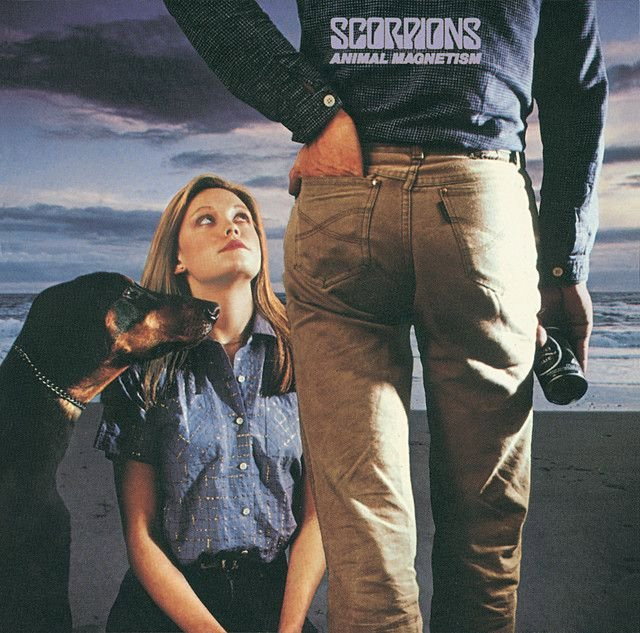
Released on Animal Magnetism in 1980, “The Zoo” was written by Rudolf Schenker and Klaus Meine and produced by Dieter Dierks. According to widely cited background on the song, Schenker built the music during the band’s first U.S. tour, and Meine connected the riff to a New York street scene, especially 42nd Street. That context matters because it frames the song less as fantasy and more as a stylized snapshot of nighttime Manhattan.[1][2]
Where the Song Really Lives
At the story level, the song is simple. A worker finishes a dull day, meets a partner, and heads out in search of excitement. The opening shift from routine to release is crucial. The line about another boring day
sets up a contrast: daylight means duty, while night offers escape.
That escape is not peaceful. It is electric and crowded. When the song names streets we call the zoo
, it turns the city into a place of spectacle, appetite, and constant motion. This is not nature, but it feels primal.
Interpretation: The “zoo” image suggests that urban nightlife strips away social polish. People become watchers and performers at the same time, driven by attraction, curiosity, and status.
Watch the official The Zoo
music video
A Fast Narrative in a Slow Stalk
The song’s plot moves in a clear sequence:
- They leave work and everyday pressure behind.
- They meet up, dressed for nightlife and possibility.
- They wander the city looking for a rush.
- They enter a street culture built on looking, wanting, and being seen.
That is why the repeated idea of catch the thrill
matters. They are not chasing love in a deep, stable sense. They are chasing sensation. The city becomes a machine for stimulation.
The mention of Forty-second Street
makes the song even more concrete. In popular memory, that area stood for bright lights, seediness, sex appeal, and urban intensity. Scorpions compress all of that into a few lines, using the location as shorthand for a whole nightlife ecosystem.[1][2]
The Chorus and Its Hungry Energy
The chorus is the key to the song’s emotional center. It describes people consuming the night as if time itself were something to swallow. The brief phrase hungry eyes
captures the mood perfectly. Everyone is looking, judging, desiring.
This matters because the song does not present nightlife as innocent fun. It is thrilling, but it also feels predatory. Eyes are everywhere. Pleasure and danger sit side by side.
We eat the night, we drink the time
Make our dreams come true
Those lines suggest a temporary fantasy. The night promises freedom, but only for a few hours. By morning, the dream may be gone.
Interpretation: The chorus can be heard as both celebration and warning. It loves the energy of the city, yet it knows that this energy feeds on appetite and illusion.
City Symbols That Carry the Meaning
Several images help explain the meaning of The Zoo Scorpions:
Night as escape
The move from work to the street gives the song its basic tension. Daytime is repetitive; nighttime feels open. The city becomes a pressure valve for boredom.
Clothing and performance
When the woman is described as ready to stun, the song hints that nightlife is theatrical. People build versions of themselves for public display.
Streets as habitat
The zoo metaphor turns sidewalks into enclosures. People roam, hunt, pose, and stare. It is social life reduced to instinct.
Heat and hunger
The song repeatedly suggests craving. The urban crowd is alive, but never fully satisfied.
How the Sound Makes the Lyrics Hit Harder
Musically, “The Zoo” is one of Scorpions’ most distinctive slow-burn rock tracks. It was recorded in late 1979 and early 1980, and the best-known sonic detail is Matthias Jabs’ talk box, which gives parts of the guitar line a sleek, almost taunting voice-like quality.[1]
That sound choice is perfect for the song. The riff does not rush. It stalks. Critics have described the track as ominously slow but still accessible, which fits its strange balance of menace and hook.[1] Instead of sounding like a party anthem, it feels like a walk under neon signs where every doorway might offer temptation.
The groove also supports the lyric theme. A faster tempo might have made the song feel carefree. This slower, heavier pulse makes the city seem sensual and dangerous at once.
Artist Context and Why New York Matters
Scorpions were a German band writing about an American urban myth. That outside perspective gives the song some of its appeal. They are not documenting city life like journalists. They are magnifying it into a hard-rock symbol.
That symbol fit the era. In 1980, New York’s 42nd Street had a strong reputation in popular culture as a place of adult spectacle and urban edge. “The Zoo” captures that reputation with surprising economy. Even though the single only reached No. 75 in the UK, it became one of the band’s signature songs and has endured in compilations and later pop-culture uses.[1][2]
Final Reading: Seduction With Teeth
The best way to understand the meaning of The Zoo Scorpions is to see it as a song about nightlife as transformation. Work ends, masks go on, desire sharpens, and the city turns into a living organism. It is exciting because it offers escape. It is unsettling because that escape depends on appetite.
Scorpions do not judge the scene outright. They seem fascinated by it. The song stands in the middle of the street, watching the watchers.
Disclaimer: This interpretation mixes documented song background with critical reading of the lyrics and sound. Meaning can vary from listener to listener.







