Why 'Shadow of the Season' Still Feels Heavy
The meaning of Shadow of the Season Screaming Trees comes through as a struggle between despair and endurance. They present a speaker who feels boxed in by time, pain, and emotional exhaustion, yet keeps reaching for some reason to continue. That tension is what gives the song its lasting pull.
"Shadow of the Season" - Screaming Trees
There is no way now, to get free
In the shadow of the season
Loading lyrics...
Unable to load lyrics
We're unable to display the lyrics at this time. Please try again later.
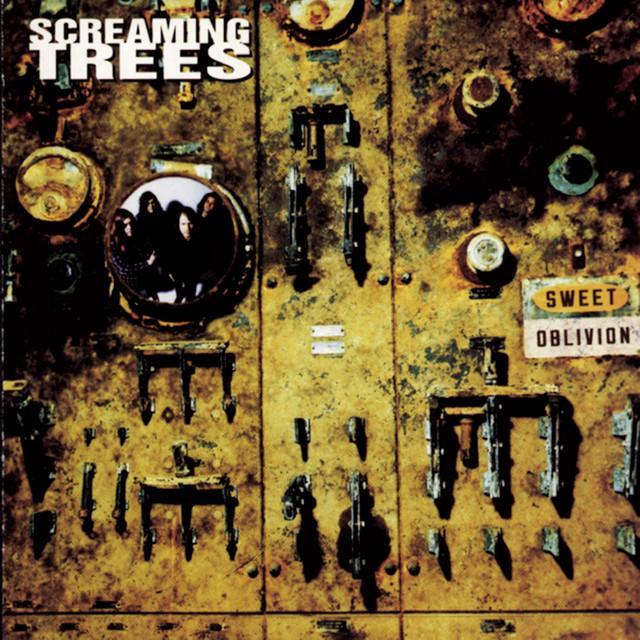
Screaming Trees emerged from the Pacific Northwest scene and became one of the era's key alternative rock bands, with Mark Lanegan's voice often bringing a bruised, haunted gravity to their songs. Factually, the song is associated with the band's 1996 album Dust, released by Epic Records. The writing is credited here to Conner and Lanegan, which fits the song's mix of vivid landscape imagery and inner collapse.
A Dark Season, Not Just a Bad Day
At the center of the song is the idea that suffering feels larger than one moment. The title image, shadow of the season
, suggests more than sadness. It feels like a whole stretch of life has turned dim, as if the speaker is living under a long emotional eclipse.
The opening makes that pressure clear. When they hear lines like the hour is ending
and no way now
, the mood is not simple heartbreak. It sounds like a person who believes options are closing and relief is far away.
Interpretation: This can be read as depression, burnout, or a spiritual low point. The song never pins itself to one event, which is why it feels universal. It captures the sensation of being stuck inside a hard season and not knowing when it will break.

Watch the official Shadow of the Season
music video
The Chorus Turns Pain Into a Mission
What makes the song moving is that it does not stop at hopelessness. The chorus keeps circling back to the need to find a reason
and carry on
. Those words are simple, but that simplicity matters.
Rather than offering a grand cure, the song reduces survival to one urgent task: keep going. That makes the track feel honest. They are not promising healing by the next verse. They are describing the smaller, harder work of enduring the present.
In the shadow of the season
To find a reason to carry on
That brief refrain acts like the song's emotional spine. The speaker may be overwhelmed, but they have not fully surrendered. Even in darkness, they are still looking.
Landscapes That Mirror the Mind
One of the strongest features in the lyrics is the movement through natural spaces: north woods, valley, lighthouse, ocean, mountain. These places do not feel like travel notes. They feel like emotional symbols.
The woods and valley create a sense of distance and isolation. The lighthouse and ocean suggest guidance and danger at once. The mountain feels like an obstacle too steep to conquer. Together, these images externalize the speaker's inner state.
Interpretation: The song uses geography as psychology. The world around the speaker becomes a map of pain, confusion, and persistence. Even the act of "moving on" sounds less triumphant than necessary, like survival by momentum.
A Prayer That Does Not Bring Relief
Midway through, the song takes a spiritual turn. The speaker asks for help, but the answer is not comfort. Instead, they are told there is suffering ahead, followed by the striking phrase sweet oblivion
.
That moment matters because it strips away easy faith. The song does not mock religion, but it does show how prayer can meet silence, or worse, a truth too harsh to welcome. The longing here is not for glory. It is for rest, numbness, or escape.
Interpretation: Sweet oblivion
may point to sleep, forgetting, emotional shutdown, or even the temptation to disappear from pain entirely. The song leaves that ambiguous, which makes the line more unsettling.
Who Is the "She" in the Final Turn?
Late in the song, a woman figure appears and calls the speaker onward. This is one of the most mysterious details in the lyric.
There are at least two plausible readings:
- She is a real person offering love or emotional rescue.
- She is symbolic, representing music, memory, death, or a deeper inner voice.
Because the next idea returns to finding a reason, her presence seems connected to survival. She may not save the speaker completely, but she gives direction. In a song filled with blocked paths, that small pull forward matters.
How the Music Deepens the Meaning
The arrangement helps explain the meaning of Shadow of the Season Screaming Trees as much as the words do. The track carries the heavy pull of 1990s alternative rock, but it is not blunt or purely aggressive. Its sound feels foggy, layered, and tense.
The guitars create a thick atmosphere instead of clean resolution. The rhythm section keeps pushing ahead, which mirrors the lyrical idea of carrying on through exhaustion. Over that, Lanegan's vocal delivery sounds worn but steady, like someone forcing truth out through the weight of the song.
That balance is crucial. If the band sounded too polished, the song would lose its ache. If they sounded too chaotic, it would lose its focus. Instead, they create a slow-burn pressure that makes the emotional struggle feel lived in.
Why the Song Still Connects
The song endures because it never pretends that meaning comes easily. It understands that sometimes survival begins with admitting pain, not hiding it. Its repeated search for purpose speaks to listeners who have lived through grief, depression, uncertainty, or long periods of emotional fog.
In the end, the song is less about finding a perfect answer than refusing to stop asking for one. That is why its sadness feels oddly strengthening.
Disclaimer: This interpretation is based on the song's lyrics, performance, and known band context. Like many great songs, it remains open to more than one reading.








