Why 'Create In Me A Clean Heart' Feels So Healing
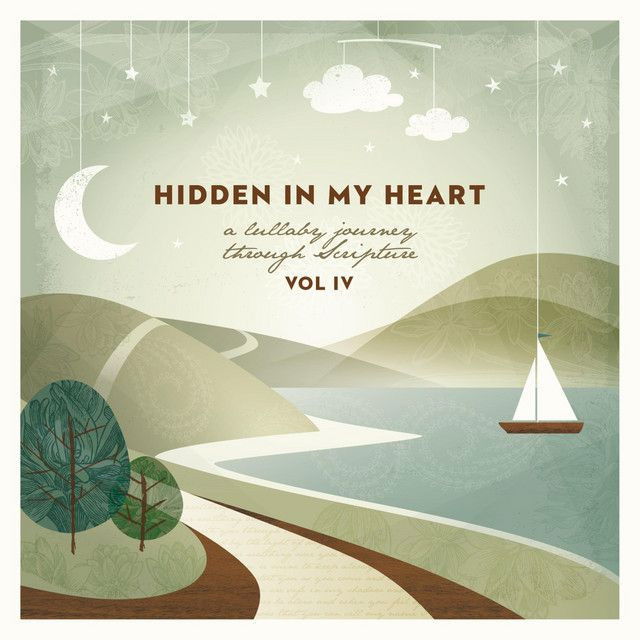
The meaning of Create In Me A Clean Heart Scripture Lullabies begins with a simple idea: this is a prayer for inner renewal. Rather than telling a story with scenes and characters, the song stays focused on one spiritual need. They present a speaker who knows they have fallen short, knows they need God, and asks to be changed from the inside out.
"Create In Me A Clean Heart" - Scripture Lullabies
Give me a pure heart
Renew my spirit once again
Loading lyrics...
Unable to load lyrics
We're unable to display the lyrics at this time. Please try again later.
Because Scripture Lullabies builds songs around gentle, devotional listening, the track lands less like a performance and more like a whispered prayer. That matters. The message is not about drama or guilt for its own sake. It is about cleansing, closeness, and a return to joy.
A Prayer Song, Not a Plot Song
At its core, the song asks God to repair what sin and distance have damaged. The opening plea, clean heart
, is the key image. It points to the inner self—motives, desires, conscience—not just outward behavior.
The next request, renew my spirit
, adds another layer. They are not only asking for forgiveness. They are asking for fresh life, energy, and stability. That makes the song about restoration, not mere regret.
This language strongly echoes Psalm 51, the biblical prayer associated with repentance and renewal. In that psalm, the writer asks God to create a clean heart and restore joy after moral failure. This song condenses that idea into a short, singable meditation.
Watch the official Create In Me A Clean Heart
music video
How the Lyrics Build the Theme
One reason the song works is its clear emotional progression. It moves through three connected needs:
- cleansing from sin
- renewed spiritual life
- strength to stay close to God
The line how much I need You
is especially important. It shifts the song from a formal request to a confession of dependence. The speaker is not bargaining with God or claiming self-sufficiency. They admit need plainly.
Later, the song asks God to restore the joy
of salvation. That detail changes the mood. The prayer is no longer only about being washed clean. It is also about getting back something beautiful that has been lost: peace, gratitude, and closeness with God.
Purify me from my sin
Give me the strength
to follow after You
This is the song's turning point. It joins mercy and action. The speaker wants forgiveness, but they also want help living differently afterward.
Who Is Speaking, and to Whom?
The voice is first person, but the feeling is communal. Even though the lyrics say I need You
, listeners often hear their own prayer inside it. That is part of the appeal of worship-centered lullaby music: it creates space for personal reflection.
The song is addressed directly to God, which keeps the language intimate. There is no metaphor-heavy storytelling to decode. Instead, they offer direct requests—cleanse, renew, restore, keep near, strengthen. That simplicity gives the song emotional clarity.
The Biblical Thread Beneath the Song
Factually, the song's imagery is rooted in Psalm 51, one of the Bible's best-known prayers of repentance. The phrases about a clean heart, renewed spirit, and restored joy all come from that tradition. In the provided context, Jay Stocker is credited as the writer of this version.
Interpretation: By reducing the language to a few repeated appeals, the song makes Psalm 51 feel less historical and more immediate. Instead of sounding distant or formal, the prayer becomes something listeners can carry into private devotion, bedtime listening, or quiet worship.
Why Repetition Matters Here
Some songs use repetition for catchiness. This one uses it for surrender. Hearing the same requests again and again makes them feel deeper, not redundant.
Each return to create in me
sounds like the speaker is letting go of pride a little more. Repetition mirrors the way people actually pray when they are hurting or ashamed: they circle back to the same need because it is real and unresolved.
That repeated structure also supports the lullaby style. It calms the mind while keeping the heart fixed on one truth—that change must begin with God.
How the Sound Carries the Meaning
Scripture Lullabies is known for soft, soothing arrangements, and that style fits this lyric perfectly. Even without dense production, a gentle tempo, light accompaniment, and tender vocal delivery can make repentance sound safe rather than crushing.
That is important to the meaning of Create In Me A Clean Heart Scripture Lullabies. The production suggests that confession is not the end of the relationship. The warmth of the music tells listeners that mercy is available.
Interpretation: If the song were louder or more dramatic, it might feel overwhelmed by sorrow. In this softer setting, renewal becomes the emotional center. The sound says, in effect, that God meets weakness with peace.
A Song About Sin, but Also About Hope
The song does mention sin directly, but it does not stay trapped there. Its deepest focus is transformation. The speaker wants to be made new, kept near, and given strength to follow faithfully.
That balance is why the song often feels comforting. It takes repentance seriously, yet it refuses despair. The final effect is humble but hopeful: a person sees their need clearly and still believes grace can reach them.
Why This Song Still Connects
For many listeners in the United States, this song resonates because it says hard spiritual truths in plain language. There is no need to decode a complicated message. They hear a prayer for forgiveness, closeness, and renewed joy, and the gentle musical setting helps that prayer sink in.
In the end, the song's power comes from its honesty. They do not ask for success, status, or escape. They ask for a changed heart.
That is what makes the track memorable: it frames spiritual renewal as both deeply personal and quietly universal.
Disclaimer: This interpretation is based on the lyrics provided, the song's worship context, and the musical style associated with Scripture Lullabies. Meaning can vary by listener and faith background.









