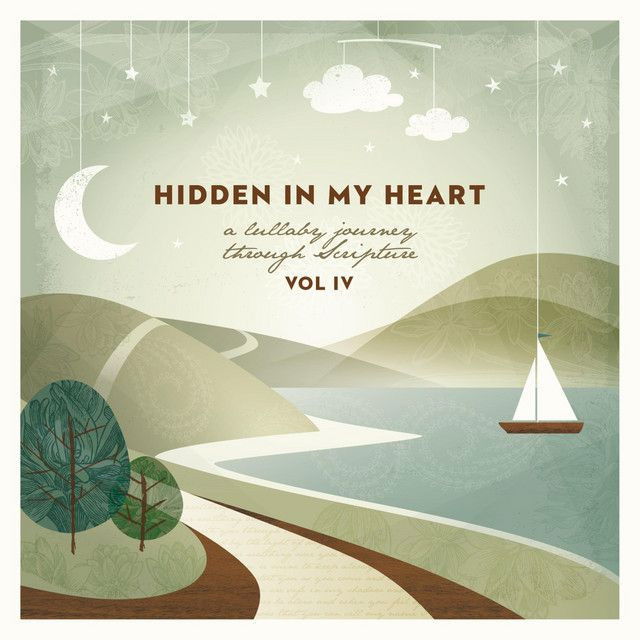
Why Psalm 91 Becomes a Lullaby of Trust
The meaning of Psalm 91 (In You Will I Trust) Scripture Lullabies starts with a simple idea: this song turns a well-known Bible passage into a calm, repeatable prayer. Rather than treating Psalm 91 like a public sermon, Scripture Lullabies presents it as a private place of rest. That choice matters.
"Psalm 91 (In You Will I Trust)" - Scripture Lullabies
Of the Most High God
I will abide under the shadow of the Almighty
Loading lyrics...
Unable to load lyrics
We're unable to display the lyrics at this time. Please try again later.
The song does not chase complexity. It narrows its focus to protection, nearness, and trust. In plain terms, it says that fear is real, but God is closer.
A Psalm Turned Into Personal Shelter
Factually, the song draws from Psalm 91, a biblical text often associated with protection and refuge. In the provided context, Jay Stocker is named as the writer. Scripture Lullabies is known for setting Scripture-inspired words to soothing music, and that artistic frame shapes how this piece lands.
The lyric begins with closeness. When the singer says they will dwell in the secret place
and remain under God's shadow, the image is not about hiding in panic. It is about choosing to live in steady dependence. The song's world is intimate, not theatrical.
Interpretation: This is why the track feels emotionally useful for anxious listeners. It presents faith less as victory over others and more as resting under care.
Watch the official Psalm 91 (In You Will I Trust)
music video
The Chorus Makes Trust the Whole Point
The chorus is the clearest summary of the song's message. It describes God as my refuge
and my fortress
, then repeats In You will I trust
. Before and after those short phrases, the lyric keeps paraphrasing the same decision: trust is not automatic, but it can be chosen again and again.
That repetition is central to the song's meaning. It is not there just to make the hook memorable. It mirrors how prayer often works in real life. People repeat what they need to believe until it settles inside them.
Interpretation: The chorus suggests that trust is both confession and practice. They are not merely saying God protects; they are training their heart to rest in that claim.
Fear Is Named, Not Denied
One of the strongest features of the song is that it does not pretend danger does not exist. It mentions nighttime terror, daytime threats, and large-scale collapse. In other words, the lyric names fear before answering it.
A brief section captures that movement well:
I will not fear
the terror by night
nor the arrow by day
This is important because the song's comfort does not come from denying pain. It comes from placing fear inside a larger promise. Even when the lyric imagines disaster around the speaker, it answers with steadiness rather than panic.
Images of Wings, Angels, and the Serpent
The song uses classic Psalm 91 imagery to make protection feel vivid. God covers the believer with wings, angels guard their path, and evil is pictured through the serpent. These are old sacred symbols, but the arrangement makes them feel gentle rather than severe.
The phrase outstretched wings
suggests warmth and covering. It carries a parental feeling, which fits the lullaby format. Angels, meanwhile, represent unseen care. They turn divine protection into something active, as if help is already moving before the singer can see it.
The serpent image adds tension. It stands for evil, threat, and spiritual danger, but the lyric quickly reduces that power. The point is not to glorify darkness. It is to say darkness does not get the final word.
Why the Sound Matters So Much
Production is a major part of the song's meaning. Scripture Lullabies frames these words with a soft, slow, sleep-friendly sound. Instead of dramatic percussion or sharp vocal runs, the arrangement likely leans on gentle textures, sustained chords, and a hushed delivery typical of the project's style.
That matters because the music teaches the listener how to hear the text. A louder or more cinematic version of Psalm 91 might feel like a battle song. This one feels like bedside reassurance.
Interpretation: The sound design changes the emotional center of the psalm from confrontation to consolation. The song does not remove the psalm's strength; it wraps that strength in tenderness.
A Song About Trusting Before Circumstances Change
Another key part of the meaning of Psalm 91 (In You Will I Trust) Scripture Lullabies is timing. The lyric does not say trust begins after danger passes. It begins before. Deliverance is expected, but peace starts earlier.
That is why lines about being held close and not being abandoned feel so important. The song's deepest promise is not only escape from harm. It is presence during uncertainty.
This also explains the repeated promise of deliverance near the end. The music circles the word until it feels less like a slogan and more like breathing through fear.
Final Take: Comfort With Conviction
At its heart, this song is a gentle declaration of confidence in God. It takes the shelter imagery of Psalm 91 and reshapes it into a lullaby for worried minds, tired bodies, and prayerful nights. The result is both simple and emotionally rich.
For many listeners, that is the lasting power of the track: it does not argue people out of fear. It sings them into trust.
Disclaimer: This interpretation is based on the provided lyrics, biblical context, and the artist's lullaby-style presentation. Meaning can vary from listener to listener.








