FMLYHM by Seether: Desire Turned Toxic
Why This Seether Song Still Hits Hard
The meaning of FMLYHM Seether comes down to one ugly, powerful idea: they present intimacy as a fight for power. The song is not romantic in any healthy sense. Instead, it turns attraction into conflict, where need, shame, and control all blur together.
"FMLYHM" - Seether
You could've been the one enough for me
You could've been the free one, the broken down and sick one
Loading lyrics...
Unable to load lyrics
We're unable to display the lyrics at this time. Please try again later.
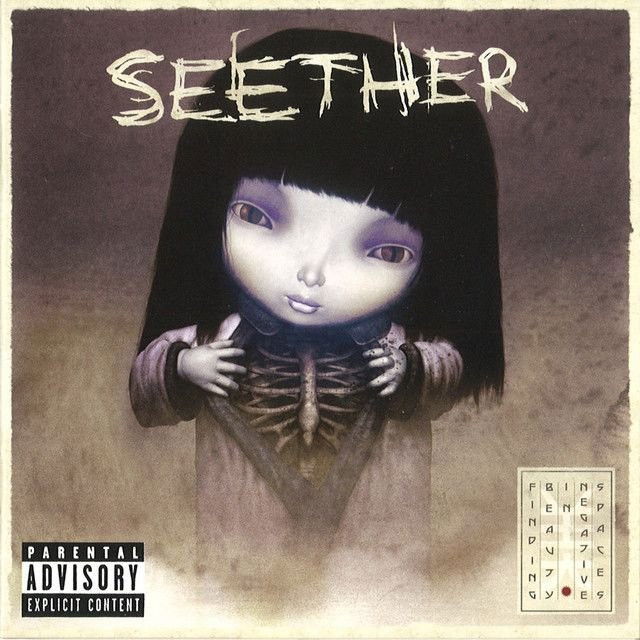
Released on Seether's 2011 album Holding Onto Strings Better Left to Fray, the track sits inside a period where the band mixed heavy post-grunge force with more exposed emotion. Public discography sources list the album and release details, while the song's writing is credited to Shaun Welgemoed, Dale Stewart, and John Humphrey. Those facts matter because the song feels built less like a confession and more like a deliberate performance of emotional damage.

Watch the official FMLYHM
music video
At the Center: Wanting Someone Who Hurts You
At its core, the song describes a bond that is both desired and destructive. The speaker keeps imagining what the other person could have been: understanding, loyal, even saving. But each hopeful thought collapses into disgust and rage.
That push and pull is why the repeated phrase you could've been the real one
matters. They are not praising the person in the present. They are mourning a version of them that never fully existed. In plain terms, the song is about disappointed trust turning into sexualized anger.
The Verses Build a Fantasy, Then Smash It
A lost ideal
The opening verses keep returning to possibility. The speaker imagines someone who might have been enough, someone who could have understood them. When they say the one to comprehend me
, the idea is simple: they wanted emotional recognition, not just physical closeness.
That makes the later hostility sharper. The relationship is not empty because there was never hope. It is empty because the hope failed.
Facelessness and emotional erasure
The song also uses identity language to show numbness. The line find me faceless
suggests a person stripped of self, almost like pain has erased their features. This is one of the track's clearest emotional images.
Interpretation: this does not have to mean literal invisibility. It likely points to dissociation, humiliation, or the feeling of becoming an object inside a broken relationship.
The Chorus Turns Sex Into Combat
The chorus is the song's most shocking part, but the point is bigger than shock value. The title phrase frames intimacy as aggression. Rather than tenderness, the song offers contact that sounds punishing, even mutual in its collapse.
Before and after the chorus, the song suggests that both people are tearing at old wounds. The backing phrase dig it up and tear it down
reinforces that idea. Nothing is being healed; everything is being reopened.
You'll never break me
You'll never break me
This is the article's clearest turning point. After all the surrender and damage, the speaker suddenly tries to reclaim strength. But the timing is important: the resistance comes after the self-destruction, not before it. That makes it sound less like true confidence and more like survival talk.
How the Music Carries the Meaning
Seether's arrangement does a lot of storytelling here. The guitars are thick and grinding, and the rhythm section pushes with a hard, almost stomping force. That gives the song a body-blow feel. Even if a listener never studies the words, the production tells them this is not safe or gentle.
The vocal performance matters too. Shaun Morgan delivers the lines with a rough edge that moves between accusation and exhaustion. He does not sing the verses like a calm narrator. He sounds like someone trapped between craving and contempt.
That dynamic is central to the meaning of FMLYHM Seether. The quieter moments do not offer peace; they only create tension before the next impact. In that way, the song mirrors the cycle it describes: brief pause, fresh damage, another attempt to regain control.
Two Strong Ways to Read the Song
Interpretation 1: A toxic sexual relationship
The most direct reading is that the song portrays a relationship where sex has become a weapon. The speaker still wants connection, but every attempt comes wrapped in resentment. Phrases like I love the sound
make pleasure and destruction feel mixed together in disturbing ways.
Interpretation 2: Self-loathing projected onto another person
Another reading is more internal. The other person may be real, but the song could also dramatize self-hatred. The split between wanting to be seen and wanting to be punished suggests someone acting out inner damage through another body.
This second reading fits Seether's larger catalog, which often circles pain, dependence, anger, and emotional self-sabotage. It should still be labeled interpretation, not fact, because the song leaves room for both meanings.
Why Listeners Connected With It
Part of the song's appeal is its bluntness. Seether never polish the emotion into something neat. They let it stay ugly, loud, and embarrassing. For listeners who have felt trapped in a relationship that confuses desire with hurt, that honesty can feel recognizable.
At the same time, the track is catchy. Its hook is confrontational, but the structure is tight and memorable. That balance between accessibility and emotional chaos helped it stand out among Seether songs from that era.
The Real Takeaway From "FMLYHM"
The meaning of FMLYHM Seether is not that pain equals passion. It is closer to the opposite: the song shows what happens when passion gets poisoned by resentment, disappointment, and a need to dominate or endure.
What gives the track weight is that it never sounds fully in control of itself. It reaches for love, falls into violence, then tries to rise with defiance. That is why the song still lands: it captures the mess of wanting someone at the exact moment they are ruining you.
Disclaimer: This interpretation is based on the lyrics, recorded performance, and Seether's broader artistic style. Songs can support more than one valid reading, and the band may not have explained every line in a single fixed way.







