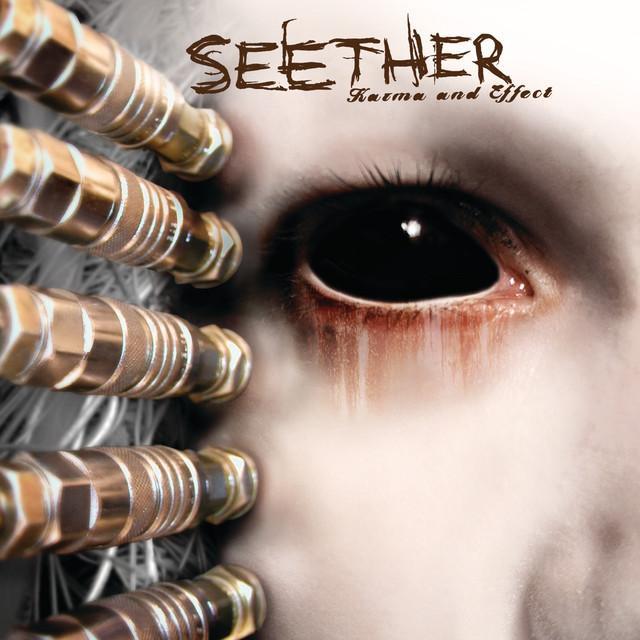
Truth by Seether
Seether's "Truth" turns confession into combat, asking whether honesty can save a person when shame already feels overwhelming.
"Truth" - Seether
Provided by LyricFindIf I gave you the truth, would it keep you alive?
Though I'm closer to wrong, I'm no further from right
And now I'm convinced on the inside that something's wrong with meLoading...Loading lyrics...
Unable to load lyrics
We're unable to display the lyrics at this time. Please try again later.
Why the meaning of Truth Seether still hits hard
The meaning of Truth Seether centers on emotional collapse, guilt, and the fear that honesty may come too late. On the surface, the song sounds like a tense address to another person. Underneath, it feels just as much like a fight with the self.
Released in 2005 as the second single from Karma and Effect, the track was written by Shaun Morgan and produced by Bob Marlette, according to widely referenced release details from Wikipedia's song entry. It also reached No. 8 on Billboard's Mainstream Rock chart, which shows how strongly its message connected with rock listeners in the United States.
That connection makes sense. Seether often writes in a style where pain is direct, but never fully simple. "Truth" follows that pattern by mixing accusation, confession, and exhaustion in the same breath.

Watch the official Truth
music video
A confession wrapped in blame
The opening lines frame honesty as a life-or-death issue. When the speaker asks if truth could keep someone alive, they make truth sound urgent, not abstract. They are not debating ideas. They are weighing emotional survival.
Then the song quickly becomes unstable in an interesting way. The speaker admits being closer to wrong than right and feeling that something's wrong with me
. That phrase matters because it shifts the song inward. Instead of presenting a villain and a victim, the lyric shows a person who distrusts their own mind and judgment.
Interpretation: this is why the song feels more powerful than a standard breakup track. It may involve another person, but the deeper wound seems to be internal. The speaker is not only hurt by deception. They are also ashamed of what they have become inside that situation.
Who they seem to be talking to
One of the strongest parts of the song is its unstable point of address. The speaker says the other person cannot salvage the lie
, which sounds like a direct confrontation. There is a clear sense that deception has poisoned the relationship.
Still, the singer also admits they are trying to keep my intentions disguised
. That confession complicates everything. It suggests both people may be hiding something, or that the speaker has become dishonest in response to the other person's dishonesty.
This gives the track a cycle of mistrust. One person lies. The other hides. Then guilt replaces clarity.
A short lyrical snapshot
The chorus sums up the emotional state with blunt force:
I'm beaten down again
I belong to them
I've failed you
These lines are simple, but that is why they land so hard. The speaker sounds defeated, controlled, and ashamed all at once.
What the chorus really reveals
The chorus is the key to the song's meaning. Verses talk about lies, conscience, and deception, but the chorus strips away the details and leaves only damage. The repeated feeling of being beaten down again
turns the song into a pattern, not a single event.
The line about belonging to "them" is especially interesting. Factually, the lyric is ambiguous. It never explains who "them" are. That could mean outside pressures, toxic influences, addiction, shame, or even the voices in the speaker's own head.
Interpretation: the vagueness is deliberate and useful. Because "them" is never named, the song can fit many kinds of emotional captivity. That is part of why listeners hear it as both personal and universal.
Deception, conscience, and self-erasure
Another major theme in "Truth" is the loss of moral clarity. The speaker says they are deprived of conscience, which suggests numbness as much as guilt. They know something is wrong, but they no longer trust themselves to act cleanly.
The verse about deception being a parasite sharpens this idea. A parasite drains its host slowly. That image suggests dishonesty is not just one bad act. It is a force that feeds on both people until neither one feels whole.
This is where the song's emotional logic becomes clear:
- Truth is needed.
- Lies have already spread.
- The speaker feels damaged by both.
- The result is self-blame and collapse.
That structure gives the song its bleak power.
How Seether's sound carries the message
Musically, "Truth" fits Seether's 2000s mix of post-grunge, alternative metal, and hard rock, as noted in the same Wikipedia overview. The guitars are thick and compressed, the drums are firm and marching, and the vocal delivery sounds strained rather than polished.
That matters for meaning. The production does not make pain sound elegant. It makes it sound physical. Each chorus lands like another hit, which matches the repeated idea of being worn down.
Bob Marlette's production helps here too. The arrangement keeps the verses tense and the chorus wide, so the emotional pressure builds before it breaks. The hook does not feel freeing. It feels like a collapse that keeps happening.
A note on context and the video
The official video, directed by Dean Karr, uses staged fights in a boxing ring, according to the same song source. That visual choice fits the song well. Even if the lyrics are psychological, the video literalizes conflict by turning everything into combat.
This supports a simple reading: "Truth" is about what happens when emotional struggle starts to feel like public punishment.
Final takeaway
The meaning of Truth Seether is not just that lies hurt. It is that dishonesty can leave a person unable to recognize their own conscience, strength, or worth. The song's real subject is spiritual exhaustion.
That is why it lasts. It speaks to the moment when confession, blame, weakness, and self-knowledge all crash together.
Disclaimer: This interpretation is based on the released lyrics, recorded performance, and documented song context. As with most songs, listeners may hear meanings that differ from the artist's exact intent.








