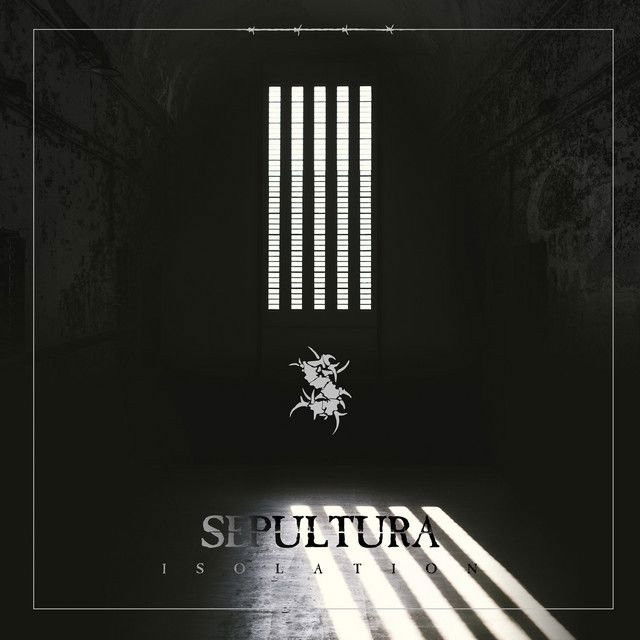
Isolation by Sepultura
Sepultura’s “Isolation” does not treat confinement as a private feeling. It turns it into a public accusation.
"Isolation" - Sepultura
Provided by LyricFindPerpetrated over time, better walk the narrow line
Never challenge what we say
In the darkness of our mind, never thought we'd be so blindLoading...Loading lyrics...
Unable to load lyrics
We're unable to display the lyrics at this time. Please try again later.
Why the meaning hits so hard
The meaning of Isolation Sepultura is rooted in punishment, control, and the damage caused when institutions treat people as disposable. On the surface, the song points straight at prisons and solitary confinement. The lyrics keep returning to cages, life sentences, and a system that seems designed to break the human spirit.
But the song is larger than one place. Interpretation: they also frame isolation as a social habit, where people are pushed out of view so others do not have to think about them. That idea gives the track its force. It is not only about one prisoner. It is about a culture that accepts dehumanization.
Factually, “Isolation” was released as the lead single from Quadra on November 8, 2019, before the album arrived on February 7, 2020. It opened Sepultura’s fifteenth studio album, a record produced by Jens Bogren and built around a four-part concept tied to rules, structure, and human formation.

Watch the official Isolation
music video
A song about systems, not just suffering
The verses describe a world where authority demands obedience. Early lines suggest that people are trained not to question power, then punished when they do. When the song mentions walk the narrow line
, it paints survival as compliance.
That connects to the song’s blunt attack on incarceration. Phrases like mass incarceration
and lock you down for life
make the target clear. This is not vague anger. It is a protest against a machine that cages bodies and erases identity.
Interpretation: the most chilling part is that the song treats this process as normal, almost routine. People are processed, hidden, and forgotten. That is why the repeated image of the cage matters so much.
The chorus turns the message into a sentence
The hook is simple and cruel: In the cage
and You will remain
. By repeating the idea, the song mimics the endlessness of confinement itself. There is no progress in the chorus, only repetition.
That repetition matters emotionally. Instead of offering release, the chorus traps the listener in the same cycle as the person in the lyric. Then the line When is my trial?
adds another layer: the system is not just harsh, it is indifferent. Justice is delayed so long that guilt becomes permanent.
In the cage, in the cage
You will remain
They'll lock you down
Lock you down for life
This is the article’s clearest lyrical snapshot, but even here the point is bigger than a prison wall. Interpretation: Sepultura present confinement as a social verdict, where being labeled becomes more powerful than being heard.
Human rights, profit, and moral blindness
One of the song’s sharpest moves is linking incarceration to exploitation. The lyrics suggest a person can be stripped down until they become both commodity and victim. That idea turns prison from a legal space into an economic and moral one.
The line about violating human rights is especially direct. Sepultura are not hiding behind metaphor there. They frame abuse as something done repeatedly and knowingly.
The phrase out of sight, out of mind
sums up the social mechanism. Once people disappear into the system, the public no longer has to face what is being done to them. That line gives the song its political edge: neglect is part of the punishment.
How Sepultura’s sound carries the meaning
“Isolation” would not land the same way if it were soft or reflective. The track is built from punishing riffs, tight rhythmic turns, and drumming that feels almost militarized. That musical discipline mirrors the theme of institutional control.
On Quadra, Sepultura mixed thrash, groove, and progressive metal elements, and “Isolation” arrives as a fierce opening statement. Andreas Kisser’s guitar work and Eloy Casagrande’s drumming drive the song forward without relief, while Derrick Green’s vocal performance sounds accusatory rather than helpless.
That matters for meaning. The song is not sung as personal confession alone. It is delivered like an alarm. Reviews of Quadra often praised the balance between raw power and precision, and that balance is key here. The arrangement feels locked-in, almost mechanical, which reinforces the lyric’s critique of systems that grind people down.
The album context deepens the song
The broader Quadra concept helps explain why “Isolation” was chosen as track one and first single. Andreas Kisser has described the album’s title as reflecting the rules and environments that shape human lives. In that context, “Isolation” is about what happens when those structures become violent.
It also fits the album’s concern with boundaries, control, and formation. If Quadra examines the worlds that define people, then “Isolation” shows the darkest version of that process: a human being reduced to a case, a body, or a number.
There is also a striking historical note. Though released before the pandemic era made the word “isolation” feel newly personal, the song later resonated with wider discussions about confinement, justice reform, and mental strain. That does not change its original meaning, but it helps explain why the track kept its relevance.
Final reading: a protest disguised as a metal attack
At its core, the meaning of Isolation Sepultura is a rejection of any system that cages people and calls that justice. The song argues that isolation breeds rage, despair, and social decay, not healing or safety.
Interpretation: listeners can hear it as a prison protest song, a statement on mental collapse, or both at once. Sepultura leave room for that overlap, which is why the track feels so durable.
In the end, “Isolation” is powerful because it never romanticizes pain. It shows confinement as organized cruelty, then backs that message with music that sounds just as unforgiving.
Disclaimer: This interpretation is based on the song’s lyrics, official release context, and documented album background. As with all art, listeners may reasonably hear additional meanings.








