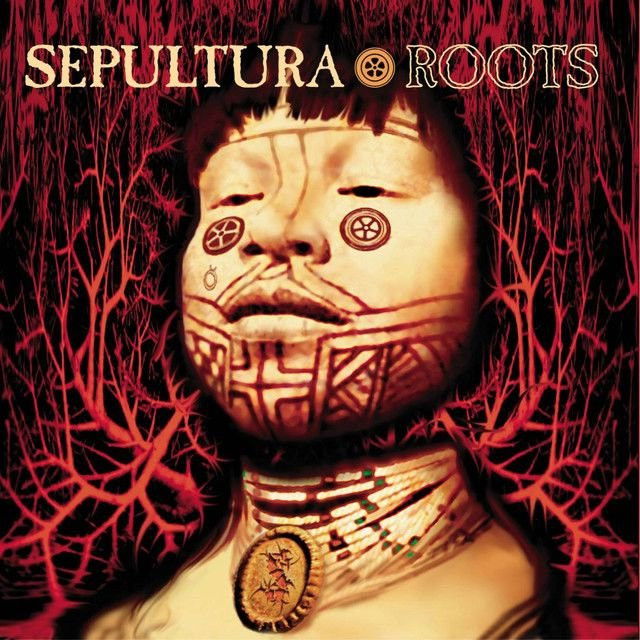
Roots Bloody Roots by Sepultura
Why This Song Still Hits Like a Challenge
The meaning of Roots Bloody Roots Sepultura starts with a simple idea: identity is not something they should hide, soften, or trade away. Sepultura turned that idea into one of metal's most recognizable statements, using a blunt chorus and a crushing groove to say that heritage can be a source of power, not a burden.
"Roots Bloody Roots" - Sepultura
Roots, bloody roots
Roots, bloody roots
Loading lyrics...
Unable to load lyrics
We're unable to display the lyrics at this time. Please try again later.
Factually, the song was released in February 1996 as the lead single from Roots, the band's sixth studio album. It was recorded in late 1995, produced by Ross Robinson, and became Sepultura's best-known song, reaching No. 19 on the UK Singles Chart and No. 1 on the UK Rock & Metal chart, according to available chart summaries and release data.

Watch the official Roots Bloody Roots
music video
The Core Message Beneath the Noise
At heart, the lyrics argue for self-belief and cultural pride. That reading is not guesswork. In a Songfacts interview, Max Cavalera said the song is about being proud of their heritage and believing in their roots. That comment matters because it confirms the song is not just anger for anger's sake.
The repeated hook, Roots, bloody roots
, works like a slogan and a ritual. Rather than telling a detailed story, it keeps circling back to the same emotional center: what they come from is real, powerful, and worth defending.
When the verse says I believe in our fate
, it suggests confidence instead of shame. Then the line We don't need to fake
sharpens the point. They do not want to imitate someone else's identity to be accepted.
A Collective Voice, Not a Solo Confession
One striking thing about the lyrics is the shift toward group language. The song keeps using words like "we" and "our," which makes the message feel communal. This is not just one person speaking about private pain. It sounds like a band, a people, or even a generation refusing to be remade.
That matters for interpretation. Interpretation: the song can be heard as speaking for Brazilians, for marginalized cultures, or for anyone pushed to abandon their background in order to fit a dominant standard.
The line getting stronger in every way
builds that idea further. Their roots are not frozen in the past. They are alive, still growing, and still giving strength.
The Chorus Turns Heritage Into Resistance
The chorus is so memorable because it does two jobs at once. First, it names the theme directly. Second, it gives the song a physical pulse, almost like a chant at a protest or a sporting event.
That is why the song feels larger than its few words. The hook does not explain everything in detail. It pounds the central truth into place until it feels undeniable.
Rain, bring me the strength
To get to another day
And all I want to see
Set us free
This is the song's clearest plea. It connects roots to survival. Heritage is not only about pride; it is also about endurance, freedom, and making it through pressure without losing the self.
Symbols of Rain, Strength, and Freedom
The imagery is spare, but it is effective. Rain usually carries ideas of cleansing, renewal, or hard conditions. Here it seems to be a force that can wash over pain while also giving power to continue.
The wish to be set us free
opens another layer. Interpretation: freedom here may mean freedom from outside control, from stereotypes, or from the demand to change in order to be accepted. That reading fits with the later plea that they do not need to change their ways to be saved.
So the song's conflict is clear: there is pressure to conform, but they reject it. Their roots are presented as the answer.
How the Sound Makes the Meaning Feel Physical
The production is a huge part of why the message lands. Max Cavalera told Songfacts that the main riff was designed like a mantra: simple, repeated, and powerful. He also noted that it uses very low tuning and can be played on one string, which helps explain its blunt, stomping force.
That simplicity is the point. The riff feels primitive in the best sense: direct, bodily, hard to shake. Ross Robinson's production pushes the drums and guitars into a dense, percussive attack, making the song sound rooted in the ground rather than floating above it.
The broader Roots era also mattered. Sepultura were leaning into groove, percussion, and Brazilian influence more openly than many global metal peers. The song's video, directed by Thomas Mignone and filmed in Brazil, highlighted Afro-Brazilian and local cultural imagery, helping the band's message of homeland pride become visible as well as audible.
Why the Title Carries Extra Weight
There is also a metal-history layer. The title echoes Black Sabbath's "Sabbath Bloody Sabbath," a nod Max Cavalera acknowledged. That link does two things at once: it honors a key influence and shows Sepultura placing their own heritage inside metal's larger family tree.
In other words, they are not rejecting metal tradition. They are insisting that their Brazilian identity belongs inside it.
The Lasting Meaning of Roots Bloody Roots Sepultura
The lasting power of the meaning of Roots Bloody Roots Sepultura is that it turns a personal and cultural truth into something almost physical. The lyrics are simple, but that simplicity is what makes them hit. They argue that people do not need to fake who they are, erase where they come from, or bend their identity to be worthy.
That is why the song still works as both anthem and challenge. It asks listeners to find strength in their own origin story, however they define it.
Disclaimer: This interpretation blends documented artist comments with lyrical analysis. Some meanings remain open to listener interpretation.








