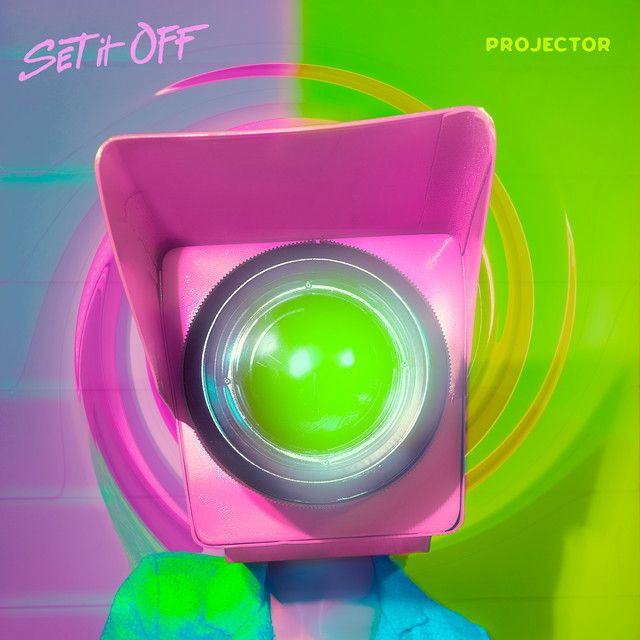
Projector by Set It Off
The meaning of Projector Set It Off comes through fast: this is a song about finally snapping after dealing with someone who is loud, selfish, and impossible to reason with. Rather than sounding sad, it sounds fed up. They present the other person as someone who dominates every room, twists blame, and burns through friendships while acting like they are the victim.
"Projector" - Set It Off
And eat me up like Hannibal Lecter
Then turn us from a friend into strangers
Loading lyrics...
Unable to load lyrics
We're unable to display the lyrics at this time. Please try again later.
Set It Off have long mixed pop hooks with sharp emotional themes, a style noted across their official band history and releases on their website and Fueled By Ramen. In “Projector,” that balance matters. The song is catchy, but the message is cutting.
The Core Idea Hiding in Plain Sight
At its heart, the song is about confrontation. They are not asking for peace anymore; they are naming the problem. The target is someone who talks endlessly, refuses accountability, and leaves emotional damage behind.
The title metaphor does a lot of work. A projector throws images outward, and that fits a person who projects their flaws onto everyone else. It also suggests performance. This person does not just argue; they stage-manage conflict, turning every situation into a show where they control the story.
Interpretation: That makes the song less about one argument and more about emotional manipulation. The repeated line Enough's enough, projector
feels like a boundary finally being spoken out loud.

Watch the official Projector
music video
Who They Are Singing To
The song uses direct address, which gives it bite. Even though this article is written in third person, the lyrics clearly put the listener in the middle of a face-to-face takedown. The speaker is done trying to be polite.
When they say I'm talking to a wall again
, they are describing a familiar kind of dead-end conflict. The other person does not listen, reflect, or change. They just keep talking until real communication becomes impossible.
That is why one of the most important details in the song is not just anger, but exhaustion. The speaker sounds tired of repeating basic truths to someone who will never admit they are wrong.
Why the Chorus Hits So Hard
The chorus gives the song its strongest images. Calling the person my little projector
sounds mocking and almost playful, but the rest of the hook makes clear that the joke hides real disgust. The reference to being consumed and then discarded turns a toxic relationship into something predatory.
The phrase friend into strangers
is especially revealing. This is not just about annoyance. It is about a relationship being destroyed by pride and cruelty. A bond that once felt close now feels unrecognizable.
So sit us down and give a new lecture
Then wear us out like ugly old sweaters
Those two short lines sum up the pattern: the person talks down to others, drains them, and leaves them emotionally worn out. The chorus works because it compresses the whole conflict into a few memorable images.
The Verses Paint a Toxic Social Type
The verses expand the portrait. This is someone who overwhelms people through volume, pressure, and constant self-justification. They can charm others for a while, but the speaker says they can see through the act.
When the song mentions I see through every smile
, it suggests fake warmth. The target may act friendly on the surface, but underneath that performance is control, resentment, and blame-shifting. Later, the song describes them as someone who damages relationships and then blames everyone else for the fallout.
Interpretation: The song may be aimed at one person, but it also works as a broader sketch of a manipulative personality. Many listeners will recognize the type: the friend, ex-friend, coworker, or online presence who turns every conflict into proof of their own innocence.
How the Sound Carries the Message
The production supports the meaning by keeping everything tight, loud, and theatrical. Set It Off often lean into polished pop-rock with dramatic dynamics, a hallmark heard across their catalog on platforms like Spotify. Here, the instrumental push mirrors the speaker’s rising frustration.
The beat feels brisk, which keeps the song from sinking into self-pity. Instead, it moves like a rant sharpened into a performance. The vocal delivery matters too: the words land with sarcasm, clipped irritation, and bursts of venom. That mix makes the song feel less like mourning and more like reclaiming control.
There is also a clever tension between how fun the hook sounds and how harsh the content is. That contrast is part of why the track sticks. They package emotional burnout in a chorus built to shout back.
Songwriting as Revenge, Release, and Repair
One of the smartest lines is the idea that this person bummed me out 'til I wrote a song
. That gives the track a second layer. It is not only a complaint; it is proof that the speaker has transformed frustration into art.
In that sense, the meaning of Projector Set It Off also includes recovery. The toxic person may have taken a lot of energy, but they do not get the last word. The song itself becomes the last word.
That twist matters because it changes the emotional outcome. Instead of ending in silence or defeat, the speaker turns anger into something public, catchy, and controlled. They are no longer trapped in the argument. They are documenting it.
Final Take on the Meaning
“Projector” is about seeing a destructive person clearly and refusing to keep absorbing their chaos. It captures the moment when frustration turns into a firm boundary. Through sharp metaphors, bitter humor, and high-energy production, Set It Off turn social exhaustion into a song that feels both personal and widely relatable.
Interpretation disclaimer: Song meaning is never fully fixed, and listeners may hear different shades of friendship fallout, projection, or emotional abuse in these lyrics. This reading is an informed interpretation based on the words, tone, and style of the track.








