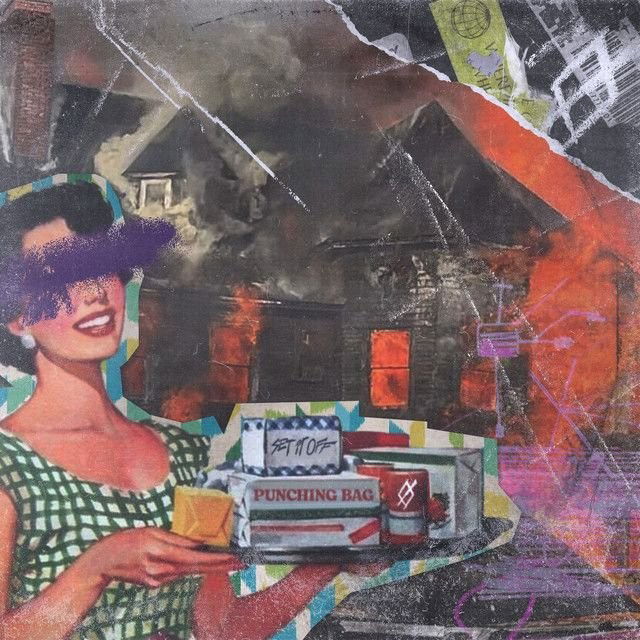
Punching Bag by Set It Off
A song about drawing a hard line, Punching Bag turns people‑pleasing into power. Set It Off use blunt imagery and a volatile sound to show what it feels like to stop absorbing someone else’s anger and finally push back. This guide explains the meaning of Punching Bag Set It Off in clear terms, from lyrics to production.
"Punching Bag" - Set It Off
Try to push it down, cast it out but I can't control it
Hanging on by the strings that you're pullin'
Loading lyrics...
Unable to load lyrics
We're unable to display the lyrics at this time. Please try again later.
The Break Point Beneath the Hook
At its center, the song rejects being a punching bag
. That phrase anchors the track’s thesis: the narrator is done absorbing hits, excuses, and cycles of blame. The verses name anxiety and manipulation, then the hook reframes that pain as a boundary.
Interpretation: The chorus is not just catharsis; it’s policy. The singer moves from reaction to decision—no more tolerance for hypocrisy or gaslighting.
Who’s Talking—and Who’s Being Addressed?
The voice is first‑person, aimed at a specific “you.” It could be a partner, a fake friend, or a bully. The song keeps it open so listeners can map their own story. When they say Mr. Nice Guy
and say goodbye
, the narrator marks a shift from appeasing to assertive.
On this episode of Friend or Foe? You’re throwing stones
Placed early, this moment frames the dynamic as a rigged game show: performance, public judgment, and setup. The target isn’t just unkind—it’s theatrical about it, turning conflict into spectacle.
What Actually Happens: A Quick Timeline
- A wave of dread hits, and they try to stifle it. The feeling returns because the source—someone else’s control—hasn’t changed.
- The other person pulls the strings, cutting them down, then circling back for more.
- The narrator stays
up all night
, stewing in the cycle, which erodes their health and patience. - They identify the hypocrisy—
pot calling the kettle black
—and name the role they’ve been cast in:punching bag
. - The turn arrives: boundaries replace appeasement. The narrator refuses to be the person who
won’t hit you back
.
Interpretation: The plot is a classic escalation‑to‑boundary arc. It begins with internal anxiety and ends with external action.
Why the Chorus Stings
The hook pairs blunt language with a moral reveal. Calling out pot calling the kettle black
exposes a bully who accuses others of the very harm they do. Following it with won’t hit you back
shows why the bully chose the narrator: kindness was a target. The refrain flips that advantage into a warning—kindness is now conditional and guarded.
Symbols That Do the Heavy Lifting
- Strings: Being “on strings” implies manipulation and control—someone else choreographs the narrator’s reactions.
- Virus: Calling the antagonist a spreading infection shows how cruelty replicates if allowed in.
- Fire and poisoned seas: These raise the stakes. Letting this person in would scorch or taint everything good.
Mr. Nice Guy
: A mask for chronic appeasement. When theysay goodbye
, they retire that mask and accept conflict as the cost of self‑respect.- Health motif: The line
people pleasing’s never good
ties the theme to mental and physical well‑being.
Interpretation: The metaphors scale the harm from one‑on‑one to world‑sized, stressing that boundaries aren’t petty—they’re survival.
How the Sound Sells the Message
Set It Off lean on a modern alt‑rock palette: distorted guitars, punchy drums, and tight, chant‑ready vocals. The arrangement surges into the chorus, creating the feeling of a dam breaking. Sudden drops and gang‑style shouts mirror the move from bottled‑up tension to public defiance.
Co‑writer Jon Lundin’s pop instincts meet the band’s theatrical roots, making the hook immediate and the verses sharp. The production’s grit matches the lyrical bite, so every jab lands like a snare hit.
Two Readings That Can Both Be True
- Interpretation: A toxic relationship exit. The imagery of strings, virus, and poison maps cleanly onto a partner who undermines and isolates, until the narrator sets a hard line.
- Interpretation: A broader clap‑back at bullies and clout chasers. The show‑like framing and public “stone‑throwing” can point to online drama or industry politics.
Either way, the song encourages listeners to replace guilt with boundaries and to see leaving as an act of care for self.
The Takeaway for Listeners
If you’ve ever been told your kindness makes you weak, this track answers that claim. It says compassion needs limits—and it’s okay to walk away when someone mistakes empathy for permission.
Disclaimer: This is a critical interpretation intended for discussion. Actual intent belongs to the artists and may vary for each listener.









