Why 'The Lion Sleeps Tonight' Still Feels Magical
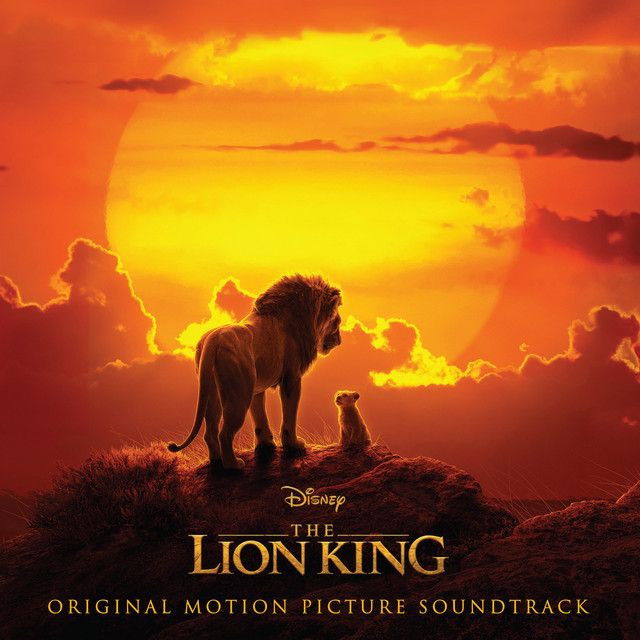
The meaning of The Lion Sleeps Tonight Billy Eichner, Seth Rogen starts with a simple picture: the wild is calm, the threat is quiet, and night feels strangely safe. In their 2019 The Lion King performance, they turn that old idea into a playful, character-driven moment that mixes comfort with comedy.
"The Lion Sleeps Tonight" - Billy Eichner, Seth Rogen
(A-weema-weh, a-weema-weh, a-weema-weh, a-weema-weh)
(A-weema-weh, a-weema-weh, a-weema-weh, a-weema-weh)
Loading lyrics...
Unable to load lyrics
We're unable to display the lyrics at this time. Please try again later.
Even so, this is not just a cute jungle song. It carries a long history that began with Solomon Linda’s 1939 South African song “Mbube,” then changed through “Wimoweh” and the 1961 pop hit made famous by the Tokens. That history matters because the song’s meaning comes not only from its words, but from how each version reshapes the same basic feeling.
A Simple Image With a Big Emotional Job
At the lyric level, the song says very little. It describes the jungle and repeats that the lion is asleep. Phrases like in the jungle
and the lion sleeps tonight
create a scene more than a story.
That simplicity is the point. The song is not trying to explain a plot in detail. Instead, it uses repetition to make listeners feel that the world has settled down for the night.
In the Billy Eichner and Seth Rogen version, that feeling becomes especially important. Their voices are comic and friendly, so the song works like a release of tension. In a movie built around survival, rivalry, and responsibility, this moment offers ease.
Watch the official The Lion Sleeps Tonight
music video
From "Mbube" to Disney: Why Context Changes Meaning
The song’s roots go back to Solomon Linda, whose original Mbube was recorded in 1939. Later, the Weavers popularized it as “Wimoweh,” and then George David Weiss, Hugo Peretti, and Luigi Creatore helped shape the English-language pop version that became a No. 1 hit in the United States in 1961.
That timeline matters. The Billy Eichner and Seth Rogen recording is not a brand-new statement. It is a modern performance inside a chain of adaptations, each one shifting the song toward a new audience.
There is also a serious side to that history. Reporting on the song has often highlighted how Linda received very little from the global success of the music he created, a story tied to exploitation and copyright injustice. So while the Disney version sounds light, the song behind it has a complicated past.
How the Lyrics Build Peace Out of Repetition
Most of the lyric is built from repeated sounds and repeated images. The chant-like a-weema-weh
does not move the story forward. Instead, it creates pulse and atmosphere.
That is why the song feels almost dreamlike. Listeners are not following events; they are entering a mood. The jungle becomes less a real location than a shared fantasy of nighttime peace.
Near the village
the peaceful village
the lion sleeps tonight
Those short lines widen the image. The peace is not just in the wild but also near human life. The lion, usually a sign of danger, is inactive. Interpretation: that can suggest a temporary truce between fear and safety.
What Billy Eichner and Seth Rogen Add
Their version works because of personality. Eichner’s sharper comic energy and Rogen’s laid-back delivery make the song feel less majestic than some earlier recordings, but more character-based. They perform it as a moment of fun rather than awe.
That choice fits their Lion King roles. Instead of treating the song like a sacred anthem, they make it feel social and spontaneous. This changes the meaning a little: the song becomes about companionship as much as setting.
For many viewers, that is the emotional key. The scene is memorable not because the words are deep on the page, but because the performers sell a feeling of shared joy.
The Sound Carries More Meaning Than the Words
Musically, this song has always depended on vocal layering, circular rhythm, and a hook that feels instantly familiar. The original and later famous versions are built on chant, harmony, and a repeated refrain rather than detailed writing. According to the song’s long public history, it has been recorded by more than 150 artists and used in many films, including the 2019 Lion King remake.
That tells readers something important: the song survives because it is flexible. Its structure lets each version emphasize a different feeling—wonder, nostalgia, humor, or community.
In this Disney performance, the production leans bright and accessible. The rhythm is easy, the melody is instantly singable, and the vocal delivery keeps the mood loose. Interpretation: the arrangement suggests that danger can be laughed at, at least for a moment.
A Deeper Reading Beneath the Playfulness
One reading is straightforward: the song is about nighttime calm in a place usually linked to power and fear. Another reading is symbolic. The sleeping lion can stand for a pause in chaos, a world where the strongest force is temporarily still.
That symbolic reading helps explain why the song keeps returning in popular culture. It offers a rare image of peace without needing many words. A mighty creature rests, and everyone else gets to breathe.
Why the Song Endures
The meaning of The Lion Sleeps Tonight Billy Eichner, Seth Rogen is not hidden in complex poetry. It lives in contrast: wildness made gentle, danger made quiet, and fear turned into a singalong. Their version keeps that core idea while making it warmer and funnier for modern family audiences.
That is why the song still works. It is simple, but not empty. It invites listeners to imagine a night when even the jungle relaxes.
Disclaimer: This interpretation separates documented history from critical reading. Meaning can vary by listener, performance, and cultural context.









