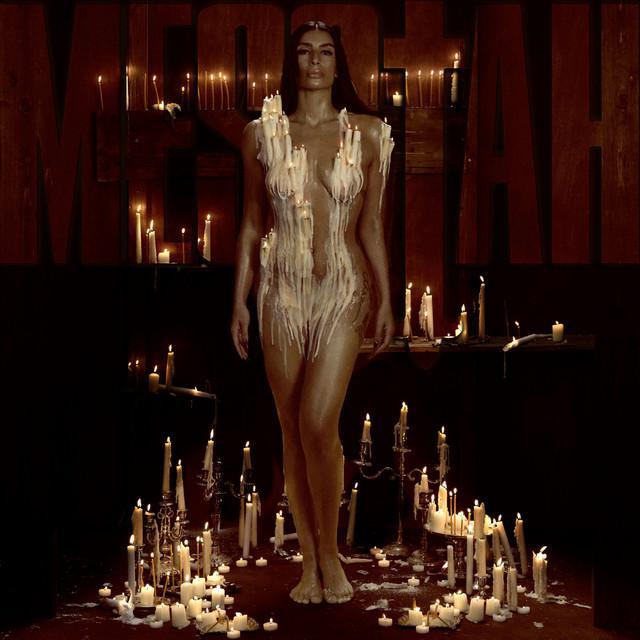
Why 'Messiah' by Sevdaliza Feels Sacred and Dangerous
The meaning of Messiah Sevdaliza starts with a bold collision: worship language used to describe desire. The song does not separate the spiritual from the physical. Instead, it blends them until love, lust, faith, and surrender all feel like parts of the same experience.
"Messiah" - Sevdaliza
Free me from desire
Keeper of my demons
Loading lyrics...
Unable to load lyrics
We're unable to display the lyrics at this time. Please try again later.
Sevdaliza has built a career around dark, sensual, art-pop music that questions identity, power, and the body. That larger context matters here. In “Messiah,” they frame a lover as a figure of salvation, but the song also asks whether desire itself has been unfairly treated as shameful.
Where Salvation Meets Desire
At the center of the track is a plea for release. When the song opens with My messiah
and Free me from desire
, it sounds like a prayer. But it is also a confession of longing. The person being addressed is not a distant deity. They are intimate, physical, and urgently present.
That tension drives the whole song. The speaker wants relief from inner conflict, yet they also want to go deeper into it. When they call this figure a Keeper of my demons
, the song suggests that love is not cleansing in a simple moral way. It is more like a force that can hold pain, hunger, fear, and ecstasy all at once.
Interpretation: The “messiah” is likely not meant as a literal religious figure. It is a metaphor for someone who seems able to save the speaker from loneliness, repression, or spiritual emptiness.
The Song’s Most Important Question
One of the sharpest lines comes when the song asks why it is wrong to believe in the God inside me
. That idea shifts the song’s meaning. It stops being only about devotion to another person and becomes a challenge to outside judgment.
In plain terms, the lyric argues that desire may not be sinful at all. The song frames inner truth as sacred, even if other people call it wrong. That fits Sevdaliza’s wider artistic world, which often centers autonomy, the body, and self-definition in both music and visuals on their official site and public artist profiles like Spotify.
This is why the song feels provocative. It uses church-coded words, but instead of preaching restraint, it suggests that personal desire can be its own form of revelation.
How the Chorus Turns Pleasure Into Worship
The chorus is where the emotional stakes peak. The singer asks to be touched until they see the face of God
. That is a striking way to describe overwhelming physical and emotional release.
Before that moment, the verses build a sense of temptation and resistance. The song says being told “no” only intensifies the urge. Then the chorus blows past guilt and turns the experience into transcendence.
Oh, my messiah, touch me until I see the face of God
My messiah, angels say my name until I come
This is the track’s clearest fusion of the sacred and the erotic. It does not present those ideas as opposites. It presents them as mirrors.
Interpretation: Some listeners may hear this as a critique of religious shame around sex. Others may hear a more personal story about obsession, where one person is given too much power over another.
A Love Song, but Not a Safe One
The song repeatedly insists, You're the only one I need
. That line sounds romantic on the surface, but there is also risk in it. The track does not describe balanced love. It describes dependence, surrender, and total emotional focus.
That is why “Messiah” feels a little dangerous. The lover is not just desired; they are elevated. They become the answer to pain, craving, and spiritual hunger. In many songs, that kind of idealization can hint at obsession.
At the same time, the repeated use of “hallelujah” gives the dependence a triumphant tone. The song does not sound ashamed of its intensity. It sounds consumed by it.
How the Production Supports the Meaning
Sevdaliza’s music often lives in a space between trip-hop, alternative R&B, electronic art pop, and avant-garde production, as reflected in major music databases like AllMusic and Apple Music. That aesthetic helps “Messiah” land emotionally even without dense storytelling.
The likely effect of the production is crucial: slow pulse, heavy atmosphere, and breathy repetition create a ritual feeling. The beat does not rush. It lingers. That gives the song a ceremonial quality, as if each line is part of an incantation.
The repeated vocal tags like “papi” also matter. They bring the song back from abstraction into the body. After all the references to God and angels, those details make the relationship feel close, physical, and human.
The Best Way to Read “Messiah”
For most listeners, the meaning of Messiah Sevdaliza is about erotic devotion dressed in sacred language. It turns a lover into a savior and treats desire as something powerful enough to feel religious.
But the song is richer than a simple seduction anthem. It also asks who gets to define sin, holiness, and freedom. In that reading, “Messiah” is not just about wanting someone. It is about refusing shame and claiming the body as a place of truth.
That is what gives the song its pull. It sounds intimate, taboo, and grand all at once.
Disclaimer: This interpretation is based on the lyrics provided, publicly available artist context, and common critical readings. Like most art-pop songs, “Messiah” can support more than one meaning.







