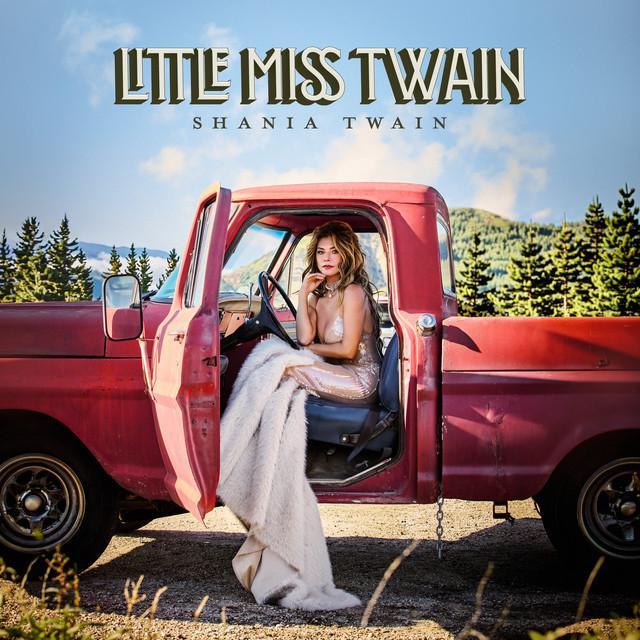
Little Miss Twain by Shania Twain, Tanya Tucker
A childhood dream turned into a country memoir
The meaning of Little Miss Twain Shania Twain, Tanya Tucker centers on ambition, family pressure, and the strange mix of love and hardship behind a future star. Shania Twain uses the song to look back on girlhood in a small town and the path that pushed them toward Nashville. It is not just a victory lap. It is also a memory piece about how dreams are planted by other people before a child fully understands them.
"Little Miss Twain" - Shania Twain ft. Tanya Tucker
That would've been my choice if
I could have afforded them back then
Loading lyrics...
Unable to load lyrics
We're unable to display the lyrics at this time. Please try again later.
The key emotional engine is the mother figure. In the song, they are told they are the next Tanya Tucker, a comparison that feels flattering, heavy, and a little overwhelming at the same time. That is why the chorus lands with such force: the promise of greatness sounds exciting, but it also sounds like a script being handed to a child.
The story moves from fantasy to pressure
The opening verse begins with pure imagination. They picture horses, beauty, speed, and open space. That image matters because it shows a child dreaming before the music business enters the frame. The fantasy is private and soft.
Then the song shifts. Shania moves from daydreaming to the blunt facts of working-class life: an old car, bar gigs, and a parent who keeps pushing. The phrase next Tanya Tucker
sums up the mother’s belief, but it also turns the child into a project. Instead of asking who they want to become, the song shows them being told who they are supposed to be.
That tension drives the whole narrative. The singer wants escape, identity, and a larger life. But the route to that life comes through adult expectations and early exposure to the hard side of performance.
Why Tanya Tucker matters so much here
A name that means both inspiration and burden
Tanya Tucker is not just a celebrity reference. She is a symbol. Tucker became famous very young, and in country music she represents toughness, raw talent, and teenage breakthrough success. By naming Tucker, the song places young Shania inside a country tradition where girls are often praised for being precocious, marketable, and mature before their time.
That makes the title clever. “Little Miss Twain” sounds playful, but it also hints at branding. The child is being shaped into a public image. In Interpretation, that is one of the song’s sharpest ideas: becoming “Shania Twain” may have begun long before they had control over the role.
For basic career context, Twain wrote the song and later reflected on early struggles around their official music site and broader career history documented by the Country Music Hall of Fame. Those facts help explain why the lyrics feel so specific and lived-in.
The chorus is hopeful, but not simple
The repeated line about being a star works on two levels. On the surface, it sounds triumphant. A child from a cold, small town imagines a huge future. That is classic country storytelling: distance, hardship, and faith in talent.
But the chorus also carries strain. The details around it are not glamorous. They include a heavy car, smoky rooms, and a body still too small for the instrument. When the song mentions being smaller than my guitar
, it captures both innocence and exploitation in one image. They are still a kid, yet already being pushed into adult spaces.
Little Miss Twain
Please sign your name
Those brief lines bring the dream into focus. The child who once imagined horses now imagines a record deal. Interpretation: this is where fantasy becomes industry. The song asks what it costs when a dream turns into paperwork, contracts, and public identity.
The verses quietly talk about fear too
One of the smartest parts of the song is how it includes insecurity. Shania references hearing At Seventeen
, Janis Ian’s famous song about beauty, loneliness, and social pain. That allusion deepens the track. It shows a young person worrying they may remain unseen forever.
So the song is not only about confidence. It is also about fear of invisibility. The hometown feels frozen, and the future feels far away. Nashville is presented almost like a promised land, just “five days drive south,” but the distance reminds listeners how unreachable success can seem from rural life.
This contrast gives the song emotional balance:
- childhood fantasy versus adult pressure
- small-town cold versus Nashville possibility
- private self versus public persona
- love from family versus the burden of expectation
How the sound supports the meaning
Production-wise, the song fits Shania Twain’s later reflective style more than the high-gloss pop-country of their biggest crossover hits. The arrangement is warm and story-led, with a steady country pulse that leaves room for the lyric. That matters because the song depends on memory and detail, not on a giant singalong hook alone.
The vocal delivery also helps. They sound knowing, but not bitter. That tone keeps the song from becoming either self-pitying or overly nostalgic. Instead, it feels like a mature artist revisiting difficult memories with compassion.
In Interpretation, the measured production mirrors the song’s central idea: this is not a teenage dream happening in real time, but an adult understanding of what that dream meant.
So what is the song really saying?
At its heart, this is a song about how stars are made long before fame arrives. Family, poverty, imagination, fear, and ambition all shape the child who will later become famous. The mother’s push is loving, but intense. The dream is real, but so is the pressure.
That is why the meaning of Little Miss Twain Shania Twain, Tanya Tucker feels richer than a simple autobiography. It honors survival while also questioning the machinery that turns a gifted kid into a marketable name.
For many listeners, the song will land as both gratitude and reckoning. They made it. But they also remember what it took to become “Little Miss Twain.”
Disclaimer: This interpretation is based on the released lyrics, public artist context, and musical elements. As with any song, some meanings remain open to listener interpretation.








