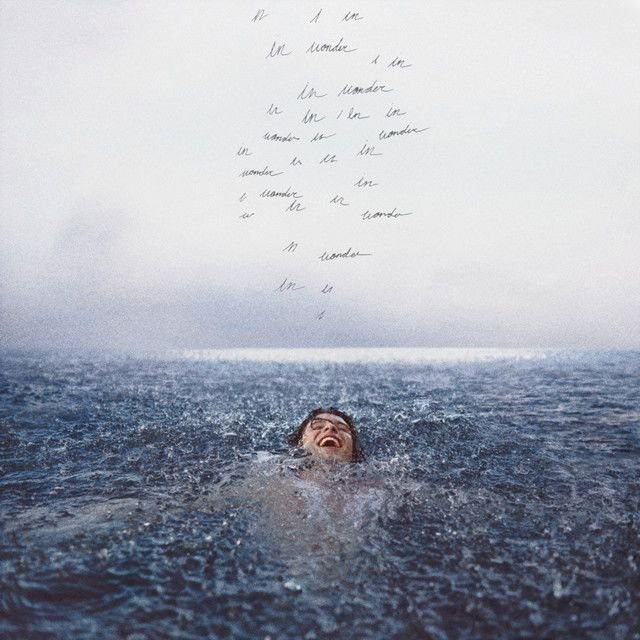
Inside the Meaning of 'Song for No One' by Shawn Mendes
A love song with no recipient is a quiet paradox. That tension powers Shawn Mendes’s track, turning everyday details into a portrait of longing. For readers searching the meaning of Song For No One Shawn Mendes, this piece unpacks how the lyric, voice, and production create a tender, lonely confession.
"Song For No One" - Shawn Mendes
Check my phone
I'm all alone
Loading lyrics...
Unable to load lyrics
We're unable to display the lyrics at this time. Please try again later.
What This Quiet Confession Reveals
At its core, the song is about wanting connection that isn’t available. The chorus phrase song for no one
isn’t empty; it’s deliberate. It marks a love that exists only in imagination because the real person either isn’t present or won’t accept it.
Interpretation: The title frames a contradiction—writing intensely personal feelings while refusing to address anyone directly. That shield protects the narrator from rejection and lets them dream without consequence.
Watch the official Song For No One
music video
Who’s Talking, and Why Now
The narrator speaks in first person from a raw, morning-after place. With I wake up a little drunk
and check my phone
, they show a messy, modern routine: numbing out, then scrolling for validation. Even with ten missed calls
, they feel completely alone, because none are from the one person who matters in their mind.
This opening sets the emotional bar: attention isn’t the issue—reciprocity is. The song isn’t about fame or popularity; it’s about intimacy that won’t land.
Small Story, Big Feelings: The Narrative Beats
- Morning: Hangover haze meets digital noise. The calls and texts underline absence rather than ease it.
- Escape: They fantasize about flying to the world’s prettiest place, then choose to
close my eyes
. The dream is warmer than the destination—a telling choice. - Confession and consequence: After drinking, they blurt out love. The other person, as the lyric puts it,
did not reciprocate
. The speaker tries to accept it, insisting they’ll be fine, but the insistence sounds like a self-pep talk.
Interpretation: The song is a postcard from the in-between—after a confession, before healing.
Images and Motifs That Do the Heavy Lifting
- Phone: Notifications replace real closeness. The device becomes a symbol of how connection can be abundant yet hollow.
- Plane and paradise: Travel usually signals freedom. Here, it’s an almost-cartoon idea of escape, undercut by the choice to retreat into daydream instead.
- Dreams: The imagined partner is perfect because they are imagined. The dream lets the narrator feel adored without risk.
- Alcohol: It loosens the truth but also blurs judgment. The hangover is emotional as much as physical.
Together, these images show a cycle: distract, fantasize, confess, retreat. The “no one” remains safely unnamed.
How the Sound Underscores the Ache
The arrangement is sparse and intimate, likely a waltz-like sway that feels like rocking in place. A close vocal, gentle guitar, and airy textures put the listener inches from the mic. When Mendes leans into soft “woo” ad-libs, it reads as release—wordless emotion after saying too much the day before.
Craft note: The song was written by Shawn Mendes, Scott Harris, Adam King Feeney (Frank Dukes), and Nate Mercereau, with production led by Dukes and Mercereau. Their warm, analog-leaning approach supports the diary-like tone. The mix leaves space, so small breaths and room echoes feel like part of the story.
Where It Sits in the Wonder Era
On the Wonder album, this track functions like a confessional aside. Bigger songs shoot for euphoria; this one pauses for truth. Its brevity and gentle dynamic make it feel like the moment you turn off the lights but the mind keeps talking.
Interpretation: Sequencing it among grander tracks highlights a theme across Wonder—how fantasy, anxiety, and desire collide. Here, fantasy wins, but only because reality pushed back.
Other Ways to Hear It
- Future-facing letter: “No one” might mean “not yet”—a love song aimed at a future partner the narrator hasn’t met. The dream imagery supports this hopeful reading.
- Protection strategy: The narrator may be shielding a real person by refusing to name them. Keeping it anonymous turns private pain into something anyone can recognize.
- Universal mirror: “No one” can also be everyone. The song speaks to anyone who has loved without hearing it back.
Why This Resonates Now
The details are small—phones, flights, daydreams—but the feeling is big. Many listeners know the sting of sincerity followed by silence. This track captures that gap with humility rather than drama, which makes it linger.
Note: Song interpretation is subjective. This reading blends lyric analysis with publicly available credits and common production practices; individual listeners may hear different shades of meaning.








