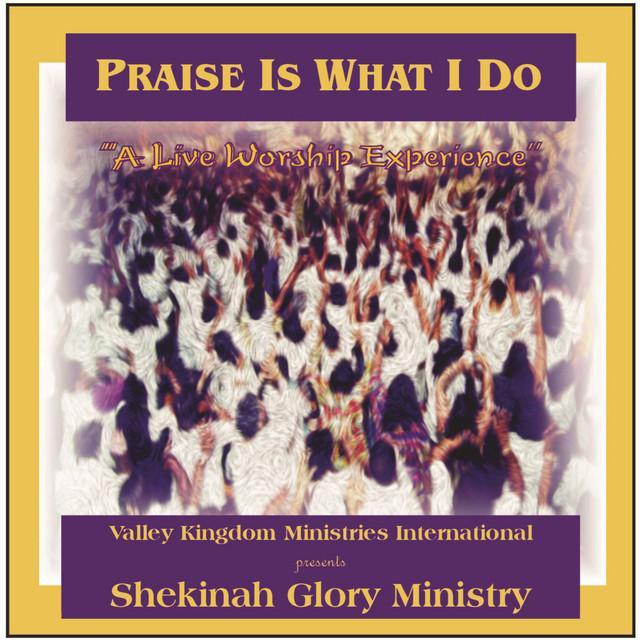
Why ‘Praise Is What I Do’ Still Moves Churches
The meaning of Praise Is What I Do Shekinah Glory Ministry starts with a simple but lasting idea: praise is not just a reaction to blessing. In this song, it becomes a decision, a discipline, and a declaration made in every condition.
"Praise Is What I Do" - Shekinah Glory Ministry
(Come on, Church) when I want to be close to You
(I lift my hands) I lift
Loading lyrics...
Unable to load lyrics
We're unable to display the lyrics at this time. Please try again later.
Written by William Murphy III and performed by Shekinah Glory Ministry, the song became one of the defining modern gospel worship anthems of its era. Factually, the song is widely credited to Murphy, and Shekinah Glory Ministry became known for its live worship style in contemporary gospel spaces.
The Core Message Hides in Plain Sight
At its center, the song says that worship is part of who they are. When the lead voice returns to praise is what I do
, the lyric is not describing a mood. It is naming an identity.
That is why the song feels bigger than a single emotional moment. It does not say praise only happens after life improves. Instead, it insists that worship continues in joy, grief, pressure, and uncertainty.
Interpretation: the song treats praise as both devotion and survival. In that reading, worship is not denial. It is a way of standing upright when circumstances try to pull the spirit down.

Watch the official Praise Is What I Do
music video
More Than a Chorus: A Faith Statement
The best-known lines make the message clear. They promise praise through the good and the bad
and even whether happy or sad
. Those short phrases matter because they remove all conditions.
In plain language, the singer is making a vow. They are saying that God’s worth does not change with human emotion. That is a major theme in gospel music, but this song delivers it in direct, everyday words.
There is also a strong sense of closeness with God. Early in the song, praise is connected to wanting to be near Him. That turns worship into relationship, not performance. The lifted hands and repeated declarations are signs of surrender and intimacy.
Struggle Is Not Hidden Here
One reason the song has lasted is that it does not pretend life is easy. It openly mentions hardship and emotional strain. When the singer says when I’m going through
, the song acknowledges an active trial, not a distant memory.
Later, it becomes even more specific by resisting despair. The message pushes back against depression, fear, and spiritual heaviness without dwelling on them. The point is not the power of the problem. The point is the greater power of worship.
Interpretation: some listeners hear the song as spiritual warfare. That reading fits the spoken exhortations about the Devil and the enemy. In that frame, praise is presented as resistance, a way to deny darkness the final word.
How the Live Setting Changes the Meaning
A studio version could have carried the same words, but the live worship setting gives the song extra force. This is where Shekinah Glory Ministry’s style matters most. The performance grows through repetition, layered vocals, and call-and-response lines that sound like a church service happening in real time.
The arrangement is built to move from statement to participation. First, the listener hears the testimony. Then they are invited into it. Spoken lines such as calls to lift voices or hands make the song feel less like a solo reflection and more like a room-wide act of faith.
That structure supports the lyric’s message. If praise is truly what they do, then the room should eventually join. The vamp section proves that meaning through sound: repetition becomes persistence.
Why the Music Feels So Healing
Musically, the song leans on familiar gospel tools: steady chord movement, swelling dynamics, a patient tempo, and a lead vocal that sounds both urgent and reassuring. None of that is accidental.
The slow build gives the words room to settle. The repeated hook creates emotional focus. As the singers return again and again to I’ve learned to worship
, the phrase suggests growth through suffering, not instant triumph.
There is also a communal therapy at work in the performance. The background vocals do not just support the lead; they echo and reinforce the message. That creates the feeling that one person’s testimony is being carried by a whole church.
I vow to praise You
through the good and the bad
whether happy or sad
That short section explains the entire song. It is a promise, but it is also a practice.
Artist Context Matters Too
William Murphy III’s writing here is notable for its clarity. Rather than using abstract poetry, the song uses plain language that churchgoers can remember and repeat. That helps explain why it became so effective in worship settings across the United States.
Shekinah Glory Ministry also helped define a wave of gospel recordings where live praise and worship crossed into wider church culture. Their approach emphasized participation, emotional honesty, and spiritual expectancy. This song fits that model perfectly because it leaves room for testimony, prayer, and response.
Final Take on the Song’s Lasting Power
The meaning of Praise Is What I Do Shekinah Glory Ministry is ultimately about choosing worship as a constant response to God, no matter what life looks like. It presents praise as identity, closeness, endurance, and spiritual defiance all at once.
That is why the song still works years later. It gives listeners language for hard days without trapping them in those hard days. Instead, it points them toward action: lift the voice, remember who God is, and keep going.
Disclaimer: This interpretation is based on the song’s lyrics, performance style, and gospel context. As with any worship song, listeners may connect with its meaning in different personal and spiritual ways.








