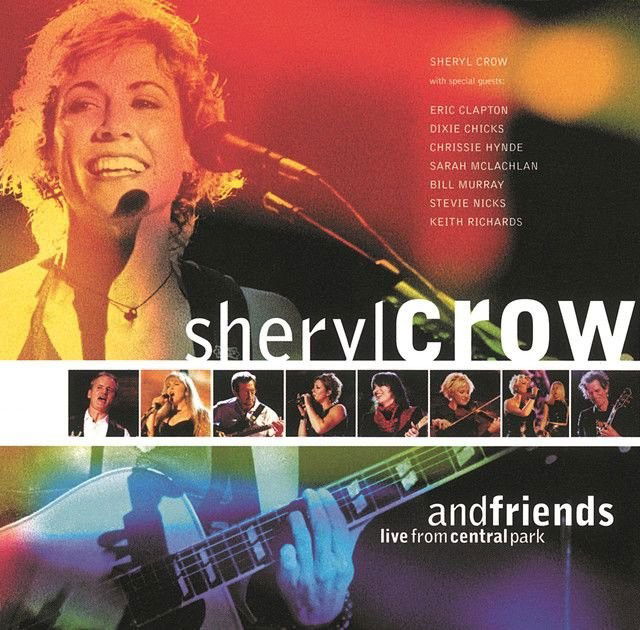
Why "Happy" Is Really About Needing Love
The meaning of Happy Sheryl Crow starts with a small surprise: despite the title, this is not a carefree song. It sounds more like a person taking inventory of what has failed to satisfy them, then admitting one deep need they cannot shake. The lyrics move through money, family examples, work, and luxury, only to land on a simple plea for love.
"Happy" - Sheryl Crow
Always burned a hole in my pants
Never get to school mama happy baby
Loading lyrics...
Unable to load lyrics
We're unable to display the lyrics at this time. Please try again later.
That tension gives the song its pull. It uses plain language and repeating lines to show someone who acts independent but does not feel fully secure.
A Title That Hides the Real Conflict
On the surface, the song seems to promise a bright mood. But the verses quickly complicate that idea. The speaker says they never held onto money and often wasted opportunity, suggesting a life shaped by impulse rather than stability.
That opening matters because it frames happiness as something slippery. They are not describing a successful system for living. They are describing a pattern of burning through chances and still searching for a steadier emotional center.

Watch the official Happy
music video
The Chorus Names the Need
After those details, the chorus becomes the emotional key. The repeated line about needing a love to keep me happy
is not subtle, and that is the point. The song strips the problem down to one urgent desire.
Interpretation: the narrator does not claim love will solve everything in a mature or balanced way. Instead, the repetition suggests dependency, or at least fear of emptiness. Happiness here feels borrowed. It is something they hope another person can help sustain.
What the Verses Reject
Each verse lists things the narrator refuses, distrusts, or fails to value. That structure helps explain the song's worldview.
Money, rules, and second chances
The first verse paints a person who lets money disappear and admits they blew a second chance
. That sounds reckless, but it also sounds honest. They know they are not good at living by careful rules.
The line about not making “mama” happy adds a family shadow. It hints at disappointing expectations early in life, which makes the hunger for love feel older than a current romance.
Work and inherited models
The next verse turns toward identity. The narrator insists they never wanted to be like papa
, especially in the image of working constantly for a boss. That detail widens the song from romance into a larger refusal of conventional adulthood.
Interpretation: love becomes attractive partly because the speaker sees work, obedience, and duty as spiritually empty. If those systems do not offer fulfillment, emotional connection starts to look like the only real answer.
Luxury and false escape
The last verse dismisses glamour too. Cocktails, Learjets, and status symbols do not bring a thrill. Even when the song mentions flying, it values going home over showing off.
That is one of the clearest ideas in the lyric. The narrator is not chasing prestige. They want something grounding, intimate, and real.
Sound and Style Support the Meaning
Based on the lyrics provided, the song fits a singer-songwriter frame through direct storytelling and conversational phrasing. There is no heavy metaphor system to decode. Instead, it leans on voice, repetition, and character detail.
That matters for interpretation. A more ornate lyric might turn this into a puzzle, but this song feels closer to a confession. The recurring happy, happy
sounds almost self-persuading, as if the singer is trying to call the feeling into existence by saying it again.
If performed with a loose, rootsy arrangement, that would fit the lyric well. The song seems built for a warm but slightly ragged delivery, something human rather than polished. In that sense, the rough edges would reinforce the message: the person singing is not fully settled, and the song should not sound too settled either.
A Character Study in Restlessness
One of the strongest things about the lyric is how quickly it sketches a personality. This is someone who does not like being managed, does not care much for wealth, and resists becoming their parents. They want freedom, but freedom alone has not made them whole.
That is why the song feels more interesting than a simple love plea. It is really about contradiction:
- They reject structure.
- They mistrust success symbols.
- They still want emotional safety.
- They hope love can provide what independence has not.
That conflict gives the lyric its emotional bite. The speaker sounds proud of their nonconformity, yet also worn down by it.
Two Strong Ways to Read It
There is more than one valid reading of the meaning of Happy Sheryl Crow.
Reading one: a romantic dependency song
The most direct reading is that the narrator wants a partner to stabilize their life. In this version, the song is about loneliness and the wish for a relationship strong enough to quiet inner chaos.
Reading two: love as belonging
A broader reading is that “love” stands for home, acceptance, or inner peace. That fits lines that reject money and glamour while favoring something more rooted. In that sense, the song is not just asking for romance. It is asking for a place, or person, that makes life feel real.
Why the Song Still Connects
Many listeners recognize this emotional pattern right away. Plenty of people discover that rebellion, spending, ambition, or escape do not automatically create peace. This lyric gives that realization a simple shape.
Its lasting strength is that it does not pretend the speaker has mastered happiness. They are still reaching for it. That honesty is what makes the song feel human.
Final takeaway
In the end, the meaning of Happy Sheryl Crow is about a restless person admitting that external things do not satisfy them. What they want is love strong enough to steady their life and help them feel less scattered.
That is an interpretation based on the lyrics and available song information. Different listeners may hear the emotional center a little differently.








