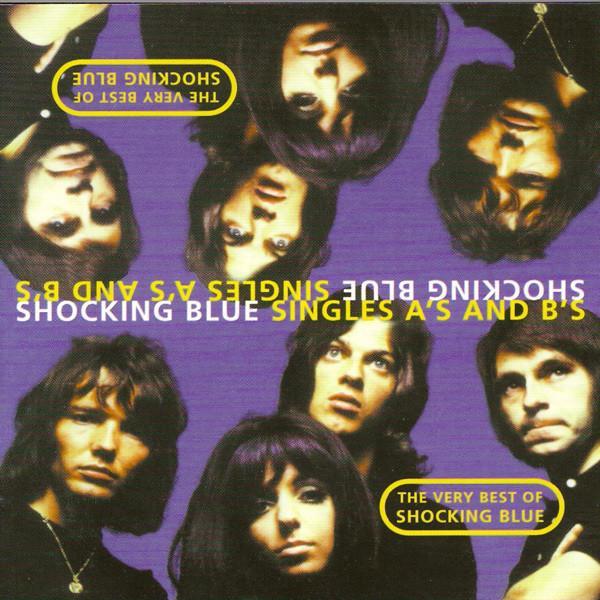
What "Love Buzz" by Shocking Blue Really Means
The meaning of Love Buzz Shocking Blue starts with a simple idea: love can feel thrilling, but it can also feel overwhelming. Shocking Blue’s 1969 song wraps that tension in a catchy hook and a dreamy, psychedelic groove. What makes it memorable is how it sounds sweet and urgent at the same time.
"Love Buzz" - Shocking Blue
You're the king of my dreams?
Please don't deceive me when I hurt you;
Loading lyrics...
Unable to load lyrics
We're unable to display the lyrics at this time. Please try again later.
Written by Robbie van Leeuwen and released on At Home in 1969, the song is one of the band’s most striking early recordings. It is also known for its psychedelic rock style and prominent sitar, played by van Leeuwen, according to widely cited release details and song histories. Those musical choices matter because they turn the song into more than a standard pop confession.
A Love Song With a Nervous Pulse
At the center of the lyric is a speaker who wants to be believed and understood. They promise devotion, but they also admit that love can cause pain and confusion. Early lines ask for trust and warn against misreading their actions. In plain terms, the singer seems to say: yes, they may hurt the other person, but their feelings are still real.
That is why the repeated hook matters so much. When the song asks, Can’t you hear my love buzz?
, it turns emotion into a sensation. Love becomes something audible, physical, almost electric. Rather than calmly stating affection, the singer sends out a signal and hopes the other person receives it.
Interpretation: This makes the song feel less like a settled romance and more like a plea from someone caught in the rush of desire.

Watch the official Love Buzz
music video
How the Verses Build Need and Unease
The verses are short, but they do a lot. One key phrase, king of my dreams
, places the other person on a pedestal. This is not casual attraction. The beloved rules the singer’s inner world.
Then the song shifts into vulnerability. The line Please don’t deceive me
shows fear. The singer is not only passionate; they are also exposed. They worry that their feelings will be ignored, doubted, or betrayed.
Another important image appears in desert needs rain
. The song uses a simple natural comparison to show dependence. The beloved is not just wanted; they feel necessary. That image pushes the song toward obsession, because it suggests emotional survival depends on the other person.
The Chorus as the Song’s Big Idea
The chorus repeats more than it explains, and that is part of its power. By circling back to the same question, the song mimics a mind stuck on one feeling. It sounds like infatuation that cannot settle down.
This repetition also creates ambiguity. A “buzz” can mean excitement, attraction, noise, or a low-level disturbance. In this song, all four ideas fit. Love is uplifting, but it also hums in the background like a problem that will not go away.
Interpretation: The best reading may be that the song captures the moment when love stops feeling balanced and starts feeling consuming.
Images of Flight, Distance, and Pain
Later, the lyrics move from need to release. The singer says they hurt when they cannot see the beloved, then tells them to spread your wings and fly
. That is a striking turn.
On one level, it sounds supportive. They want the other person to be free. On another, it sounds resigned, as if the singer knows they cannot control the relationship. That mix of devotion and surrender gives the song emotional depth.
Here is the one short multi-line passage that best shows that tension:
I need you like a desert needs rain;
I would rather like to die.
Even in paraphrase, the meaning is clear: absence feels unbearable. The song uses dramatic language to make emotional need sound almost physical.
Why the Sound Matters So Much
Shocking Blue were a Dutch band whose late-1960s sound often mixed pop hooks with harder rock edges. On “Love Buzz,” the arrangement adds a hypnotic quality that supports the lyric’s emotional swirl.
The sitar is especially important. Its droning, bending tone gives the track a floating, slightly unreal mood. Instead of grounding the song in everyday romance, it makes love feel altered and dreamlike. The groove underneath keeps the track moving, but the texture makes it wobble in the best way.
That blend of pop accessibility and psychedelic color helps explain why the song lasted. It was released on September 30, 1969, on the album At Home, and later gained a second life through Nirvana’s 1988 cover. Even listeners who first found it through Nirvana are often drawn back to the original because Shocking Blue’s version feels more seductive and strange.
Artist Context and Lasting Reach
Robbie van Leeuwen wrote the song, and Shocking Blue recorded it during a period when psychedelic rock was still shaping pop across Europe and the United States. Their original version stands out because it is both concise and atmospheric.
The song’s later fame through Nirvana sometimes overshadows the original, but it also proves how strong the core writing is. Nirvana made it heavier and rougher, while Shocking Blue made it sensuous and trippy. Both versions work because the lyric already contains that unstable mix of love and danger.
Final Take on the Meaning
So, what is the meaning of Love Buzz Shocking Blue? It is about romantic desire at full intensity: adoration, need, fear, and confusion all at once. The singer wants love returned, but they also sound shaken by how powerful that feeling has become.
That is why the song still connects. It understands that love is not always soft or calm. Sometimes it arrives as a buzz in the body and a loop in the mind.
Disclaimer: This interpretation is based on the song’s lyrics, recording style, and historical context. As with many songs, listeners may hear different meanings in the same words.








