Why 'Send Me a Postcard' Still Hits Hard
The meaning of Send Me A Postcard Shocking Blue comes down to one human feeling: they want proof that love has not gone silent. On paper, the song sounds almost innocent. One person is far away, and the other asks for a note. But beneath that easy hook sits a sharper emotion—fear that distance will turn into abandonment.
"Send Me A Postcard" - Shocking Blue
Will break my heart
Send me a postcard,darling
Loading lyrics...
Unable to load lyrics
We're unable to display the lyrics at this time. Please try again later.
Released in 1968, the song was written and produced by Robbie van Leeuwen and became an early hit for Shocking Blue, reaching the Top 10 in the Netherlands and No. 4 in Norway, according to available chart and release data.Wikipedia: Send Me a Postcard That timing matters. Late-1960s rock loved big emotions, but this track delivers them in a compact, urgent way.
A Small Request With Big Stakes
At the center of the song is a simple plea: send a sign. The narrator does not ask for a grand gesture. They ask for a postcard, something brief and ordinary. That is what gives the song its emotional power. The request feels modest, but the need behind it is huge.
The opening idea makes that clear. Before loneliness can do real damage, they want contact. When the lyric says break my heart
, it frames absence as a real threat, not just a passing inconvenience. Soon after, the song turns direct with send me a postcard
, a line that sounds catchy but also exposed.
Interpretation: The postcard works as a symbol of minimal reassurance. They are not demanding devotion. They are asking not to be forgotten.

Watch the official Send Me A Postcard
music video
Who Is Speaking, and What Do They Need?
The voice in the song is personal and vulnerable. They are waiting, watching, and hoping for a response. That emotional stance matters more than plot. This is less a story with events than a snapshot of someone trapped in uncertainty.
A line like I wanna be your woman
adds another layer. The song is not only about missing someone. It is also about wanting the relationship to feel defined and returned. They want mutual commitment, not vague affection.
That makes the waiting harder. The lyric idea of waiting for a little sign
suggests that even a tiny message could calm the speaker's anxiety. Silence, meanwhile, lets doubt grow.
How the Verses Build Anxiety
One reason the song works so well is its structure. Each verse adds pressure without becoming complicated. The narrator keeps circling the same emotional problem from different angles:
- They are lonely.
- They need communication.
- They fear being let down.
- They keep hoping for a reply.
That repetition mirrors the mental loop of separation. People waiting for a message often replay the same questions: Do they still care? Did something change? Should they worry? The song captures that spiral in a few plainspoken lines.
There is also a striking moment when the singer says they cannot handle a lonely night
. That phrase is brief, but it expands the song beyond daytime waiting. The pain is not abstract; it reaches into private, quiet hours when worry feels louder.
Why the Chorus Feels So Urgent
The chorus is memorable because it keeps the language simple while raising the emotional stakes. Every return to the title line sounds more urgent than the one before it. What starts as a request becomes close to a cry for reassurance.
Send me a postcard, darling
Send me a postcard now
Even in this tiny refrain, the final word changes the tone. "Now" removes distance and patience. It tells listeners that the speaker feels they are reaching a limit.
Interpretation: The chorus is really about timing. Love may survive distance, but only if communication arrives before doubt takes over.
The Sound: Bright, Fuzzy, and Restless
Part of the meaning of Send Me A Postcard Shocking Blue comes from the music itself. The track is commonly described as psychedelic rock or acid rock in release histories.Wikipedia: Send Me a Postcard But unlike heavier psychedelic songs that drift into dreaminess, this one moves with punch and focus.
The guitars have a sharp, buzzing edge. The beat pushes forward. The melody feels bright, almost cheerful at first. That contrast is important. The production does not wallow in sadness. Instead, it wraps longing in energy.
That choice makes the emotion feel restless rather than defeated. They are not giving up on the relationship. They are actively reaching for it. Mariska Veres' vocal delivery helps, too. Her voice sounds strong enough to cut through the band's crunchy backing, which keeps the plea from feeling weak. It sounds bold, even when the words reveal need.
Artist Context Changes the Listening Experience
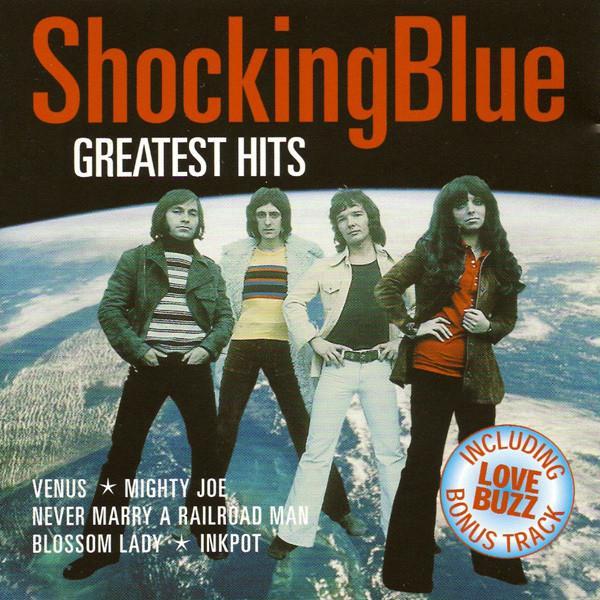
Shocking Blue are still best known in the United States for "Venus," but "Send Me a Postcard" shows another side of the band. It arrived before their global breakout and demonstrates how well they could balance pop hooks with tougher rock textures.Wikipedia: Shocking Blue In that sense, the song is an early statement of identity.
Its afterlife is notable too. The track remained less known in the U.S. for years and gained newer attention through later reissues, covers, and soundtrack use.Wikipedia: Send Me a Postcard That long shelf life makes sense. The fear of waiting for a message has not aged at all; only the medium has changed.
Final Take: An Old Postcard, a Timeless Feeling
In the end, the meaning of Send Me A Postcard Shocking Blue is about the ache of wanting confirmation that love still exists across distance. The song turns a tiny object into a lifeline. Its brilliance lies in how little it says to express how much is at risk.
They make longing sound immediate, catchy, and a little desperate—and that is why the song still lands.
Disclaimer: This interpretation mixes documented facts with close reading of the lyrics and sound. As with any song, listeners may hear different meanings.








