Why 'Venus' by Shocking Blue Still Burns
The meaning of Venus Shocking Blue starts with a simple idea: desire is being turned into myth. Instead of singing about an ordinary crush, they frame attraction as something huge, ancient, and almost supernatural. That is why the song still feels striking decades later. It is catchy pop, but it also sounds like a legend in motion.
"Venus" - Shocking Blue
Was burning like a silver flame
The summit of beauty and love
Loading lyrics...
Unable to load lyrics
We're unable to display the lyrics at this time. Please try again later.
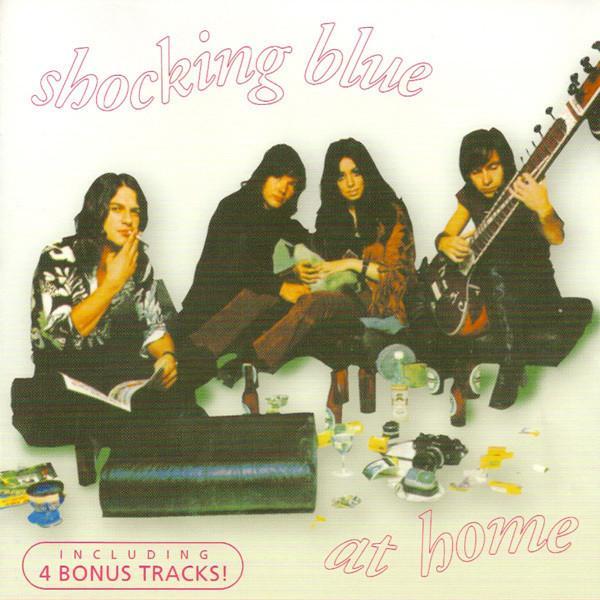
Shocking Blue released "Venus" in 1969, and it became their biggest hit, reaching No. 1 on the Billboard Hot 100 in the United States. The Dutch band was led by vocalist Mariska Veres, while Robert van Leeuwen wrote the song. Those are core facts about the track's place in pop history, even if the song's emotional power comes from how boldly it sells its fantasy.
A Goddess Turned Into Pure Pop
The song opens by presenting a woman in godlike terms. The image of a figure on a height, glowing and untouchable, makes beauty feel almost sacred. A short phrase like a goddess on a mountain top
does a lot of work: it puts the listener below her, looking up.
That matters because the verses are not describing romance as equal or calm. They describe awe. Venus is not just attractive; she is elevated, radiant, and slightly dangerous. The song builds her as the ultimate object of fascination.
Interpretation: this is less about one real person than about the fantasy of perfect desirability. By naming her Venus, the lyrics connect sexual attraction to mythology, which makes the feeling seem timeless and larger than everyday life.

Watch the official Venus
music video
How the Verses Build Her Power
The song keeps stacking details that make this woman feel overwhelming. Her beauty is presented as the "summit" of love, and her eyes become symbolic "weapons." That is a key move. The lyrics do not describe gentle affection; they describe impact.
When the song says crystal eyes
and hints that she is making every man mad
, it suggests that attraction can unbalance people. Desire here is not peaceful. It is thrilling, maybe even consuming.
This also helps explain why the song has such strong momentum. Every image pushes toward intensity. Venus becomes a force that acts on others rather than a passive muse. She controls the room simply by appearing in it.
The Chorus Changes Everything
The biggest twist comes in the chorus. Up to that point, the song sounds like praise from a distance. Then the central voice suddenly says I'm your Venus
. That line changes the relationship completely.
Instead of only admiring the goddess, the speaker seems to become her. They claim the role, the power, and the heat of that image. The next line, I'm your fire
, makes the song's meaning even clearer: Venus is being linked with passion, temptation, and bodily desire.
Interpretation: the chorus can be heard in two ways:
- as a direct seduction, where the singer offers themself as the object of desire
- as a theatrical transformation, where the singer steps into a mythic persona
Either way, the chorus is why the song feels so confident. It does not stay in admiration. It turns admiration into identity.
Sound That Feels Bright and Dangerous
Part of the meaning of Venus Shocking Blue comes from the production. The song's groove is steady and danceable, but it also has a sharp edge. The guitar riff gives it forward motion, while the vocal delivery adds cool authority rather than softness.
That balance matters. If the arrangement were too dreamy, the lyrics might feel distant. If it were too heavy, the mythic imagery might feel forced. Instead, the band lands in a sweet spot between pop accessibility and a slightly exotic, dramatic mood.
Mariska Veres's voice is especially important. They sing with control, not pleading. That calm confidence reinforces the idea that Venus is powerful because she never needs to chase anyone. The song comes to the listener already fully formed, fully sure of itself.
Why the Mythology Works So Well
Using Venus as a symbol gives the song instant depth. Even listeners who do not know much Roman mythology can sense what the name implies: love, beauty, seduction, and femininity. The lyrics rely on that shared cultural shorthand.
But the song also adds some tension. Venus is not shown as soft or maternal. She is glamorous and commanding, even a little severe. The mention of dark eyes and overpowering beauty creates a femme-fatale feeling, though the song keeps it pop-friendly rather than tragic.
That mix helps explain its staying power. It is easy to sing along with, but the imagery is stronger than the average love song. The listener gets both a hook and a fantasy.
A Few Alternate Readings
There is more than one way to hear the song.
Interpretation 1: it is a straightforward anthem of attraction. In this reading, Venus represents the ideal lover, and the lyrics simply heighten desire through mythic language.
Interpretation 2: it is about performance and self-invention. When the voice declares she's got it
and then claims Venus directly, the song can sound like someone constructing an irresistible identity on purpose.
Both readings fit because the lyrics are simple but flexible. They do not lock the listener into one exact story.
Why It Still Connects Today
"Venus" lasts because it understands a basic pop truth: people do not just want to hear about attraction. They want to feel its drama. Shocking Blue made desire sound elevated, dangerous, and fun all at once.
That is the heart of the meaning of Venus Shocking Blue. The song turns beauty into legend and confidence into sound. It invites listeners to look up at the goddess, then suddenly realize she is singing back.
Final Take
For many listeners, "Venus" is not really about mythology at all. It is about the electrifying moment when attraction feels bigger than logic and bigger than ordinary language. Shocking Blue gave that feeling a name, a riff, and a chorus that still hits.
Disclaimer: This interpretation mixes widely known song facts with critical reading of the lyrics and sound. Meaning can vary from listener to listener.








