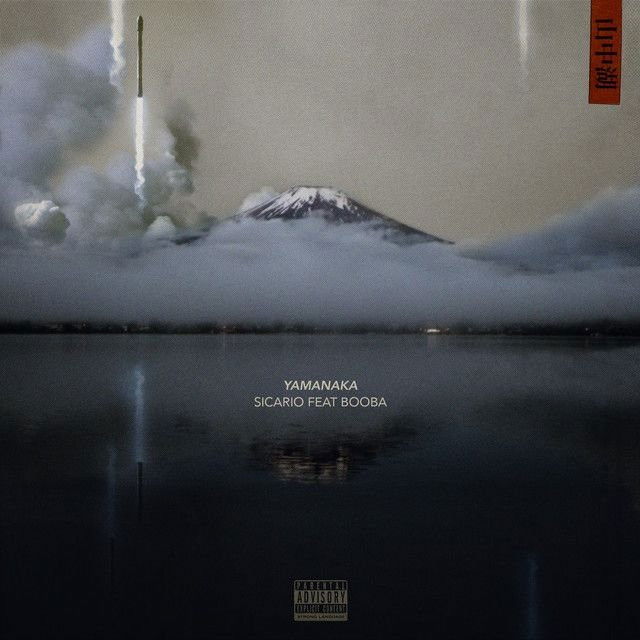
Yamanaka by Sicario, Booba
Why This Track Feels So Unstable
The meaning of Yamanaka Sicario, Booba starts with motion and danger. The song does not present street life as glamorous in any simple way. Instead, they describe a world moving fast, with no brakes, no safety, and almost no trust.
"Yamanaka" - Sicario, Booba
Ah ouais, kho
J'sais pas où on va mais on y va tout droit, la tête en avant, sans casque
Loading lyrics...
Unable to load lyrics
We're unable to display the lyrics at this time. Please try again later.
Right away, the opening image of going forward sans casque
suggests reckless momentum. They are not just driving somewhere literal. They are rushing into risk, conflict, and consequences. That idea shapes the whole song: survival means acting before someone else acts first.
The title adds to that tension. “Yamanaka” sounds distant and almost dreamlike, but the verses are full of war, policing, money, and betrayal. That clash makes the song feel disorienting on purpose.
Watch the official Yamanaka
music video
The Core Meaning Beneath the Threats
At its heart, this is a song about how constant pressure changes a person. They move through a world where loyalty matters, institutions feel hostile, and violence is always close. Money is important, but not because it brings joy. It is treated more like proof of power, protection, and status.
The repeated street imagery shows that their environment has taught them hard rules. In the hook, phrases like l'arme à la main
and les mains dans la poche
create a striking contradiction. They sound armed and exposed at the same time, active and numb at once. That duality is important to the song’s message.
Interpretation: the track suggests that surviving this world requires emotional shutdown. They keep moving, earning, watching, and retaliating because stopping to feel too much could be dangerous.
A World Map of Chaos
One of the most interesting parts of the song is how often it jumps across locations and references. Japan, Beirut, Cuba, Mali, and Mount Fuji appear alongside street-level French rap details. These place names do not build a travel story. They create a global atmosphere of unrest.
That matters for the meaning of Yamanaka Sicario, Booba because the song is not only about one neighborhood. They make the pressure feel planetary. War machines, political names, currencies, and police presence all blend into one giant system of instability.
Why the References Matter
These references serve three main purposes:
- They enlarge the song’s scale beyond local conflict.
- They make the narrator sound informed, mobile, and hard to pin down.
- They blur reality and myth, which fits the song’s paranoid mood.
When they mention social decline and failed control, the message becomes broader than crime rap. It becomes a portrait of a collapsing order.
The Chorus Turns Survival Into Ritual
The chorus is simple, but it is where the emotional center sits. It opens with grief for brothers and a mother’s tears, then shifts right back into street readiness and cash collection. That movement is the point: mourning and hustling happen side by side.
Une gorgée pour nos frères
verse tes larmes
sur le terrain, j'empoche
This brief passage shows how loss is processed in their world. There is a gesture of remembrance, but there is no long pause. They return to work, danger, and accumulation almost immediately.
Interpretation: the chorus suggests that grief has been folded into routine. Pain is real, but they cannot afford to stop for it.
Violence, Trust, and Street Law
The verses return again and again to revenge, suspicion, and the fear of betrayal. They describe a place where even a small insult can escalate. Home is not fully safe. Family can be touched by outside violence. Rumors carry weight. Informing to police destroys trust.
A phrase like c'est la loi de la rue
sums up that logic. The line is not romantic. It sounds cold and final, as if the rules are ugly but deeply accepted. Another key line, on a perdu l'contrôle
, widens the idea. They are not only saying one person lost control. They suggest a whole social order has slipped.
That is why the song feels heavier than a standard tough talk record. The aggression is personal, but the despair is structural.
How the Sound Supports the Message
Even without leaning on long lyric quotes, the production helps explain the meaning. The beat feels heavy, sparse, and tense, giving the voices room to sound commanding and haunted at the same time. The rhythm pushes forward like a convoy, which matches the song’s recurring images of movement, pursuit, and mission.
Booba’s presence matters too. As one of the most influential figures in French rap, his feature brings extra weight and authority to the track, while Sicario’s delivery keeps the song grounded in immediate threat and lived pressure. Their pairing makes the record feel both personal and larger-than-life.
Interpretation: the production works like a hard shell. It does not soften the lyrics. It traps them in a grim, metallic atmosphere where every line lands like a warning.
The Best Way to Read “Yamanaka”
The best reading is that “Yamanaka” is about survival in a damaged world, where personal code replaces public trust. They show grief, hunger, fear, and pride all mixed together. The song’s tough posture is real, but it also covers exhaustion.
For listeners in the United States, the appeal may come from that same tension heard in many forms of street rap: dominance on the surface, vulnerability underneath. Here, though, the writing is especially packed with geopolitical images, making the danger feel both local and global.
In the end, the meaning of Yamanaka Sicario, Booba is less about one plot than one condition: living in permanent alert, where loss is normal, money is armor, and movement never feels fully free.
Disclaimer: This interpretation is based on the lyrics, performance, and available song context. Like all art, the song can support more than one reading.







