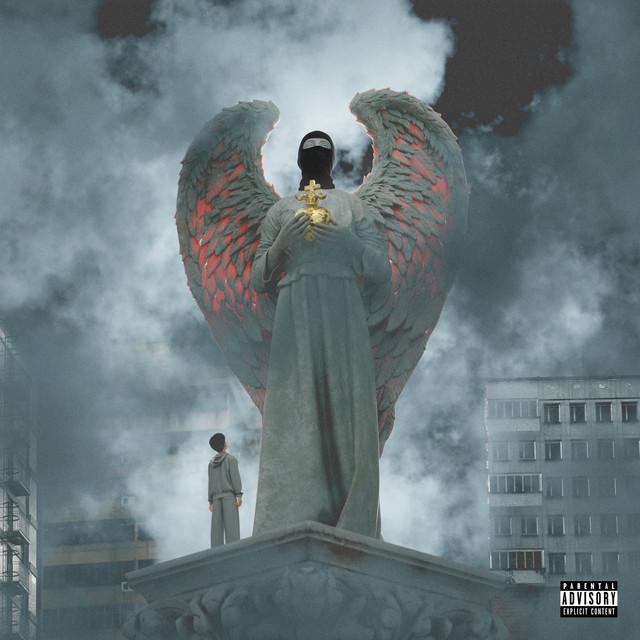
Why 'FA PIANGERE MAMMA' Hits So Hard
The meaning of FA PIANGERE MAMMA Silent Bob, Sick Budd comes down to a painful split: they present a hard street persona, but the song keeps returning to one soft point—his mother’s suffering. That contrast gives the track its force. It is not just about crime, drugs, or hatred of authority. It is about what that life does to a family.
"FA PIANGERE MAMMA" - Silent Bob, Sick Budd
Non avevo un cazzo, a parte il cazzo
Lupo solitario, ho solo la luna al mio fianco
Loading lyrics...
Unable to load lyrics
We're unable to display the lyrics at this time. Please try again later.
A Street Rap Song With a Human Center
On the surface, the verses are packed with outlaw imagery: guns, fast driving, drug use, sex, distrust, and contempt for police. The narrator sounds reckless and numb. He frames survival as a daily routine, not a dramatic event.
But the chorus changes the whole frame. When they repeat fa piangere mamma
, they move the song away from empty provocation. The real pain is not only what happens to him. It is what his life makes his mother feel.
Interpretation: that emotional pivot is why the track lands harder than a standard street anthem. It exposes guilt without fully admitting it.
The Chorus Turns Rage Into Shame
The central line about hating the police is blunt, but the reason matters more than the slogan. He does not explain it through politics or ideology. He explains it through home life. In his view, police action leads to fear, tears, and instability for his mother.
That detail makes the chorus feel personal rather than abstract. Even listeners who do not share the anti-police stance can understand the emotional logic: when a son is caught in dangerous cycles, the mother becomes one of the people who suffers most.
The next lines deepen that spiral. He says Non vado in rehab
, then admits the world has fottuto la testa
. In plain terms, he refuses help while also confessing damage. The song’s tragedy is that he knows he is falling apart, yet still treats the street as the only place he belongs.
What the Verses Show About His State of Mind
The verses build a self-portrait of someone surviving through aggression, speed, and numbness. He remembers having almost nothing, trusting animals more than people, and keeping violence close. Those images suggest a life organized around threat.
He also sounds chemically detached. When he says non sento la faccia
, the idea is clear even without medical detail: he is physically and emotionally numbed out. The line about maybe taking too much makes the risk explicit.
Three key story beats in the lyrics
- Poverty and isolation: he begins from lack, loneliness, and distrust.
- Street adaptation: he builds an identity around danger, toughness, and speed.
- Psychic collapse: drugs, paranoia, and family pain reveal that the persona is failing to protect him.
That arc is why the song feels heavier than boast rap. The brags never sound fully victorious.
Symbols That Carry the Song’s Meaning
Several recurring images help explain the emotional world.
Weapons, dogs, and blue lights
The gun, pitbull, and police lights all point to a life ruled by alertness. He sleeps armed, trusts a dog over people, and reads flashing lights as threat. These are not random props. They show how deeply danger has entered everyday life.
Luxury brands against decay
Designer names and status flashes appear beside filth, intoxication, and mental collapse. That contrast matters. In many trap songs, brands signal success. Here, they feel unstable, almost desperate—small trophies in a life still falling apart.
The mother as moral reality
The song’s most important symbol is simple: the mother. She represents the emotional truth the narrator cannot fully outrun. He can act fearless in the verses, but her tears cut through the performance.
How Silent Bob and Sick Budd Make It Sound So Bleak
Even without a full production breakdown, the track’s style points toward dark Italian trap: heavy low end, minimal melodic space, and a moody, nocturnal atmosphere. That kind of beat leaves room for lines to feel confessional while still sounding threatening.
Silent Bob’s delivery matters too. The vocal approach is less about technical flash than emotional weight. The voice sounds worn, detached, and tense, which fits lyrics about being overstimulated and spiritually exhausted.
Interpretation: Sick Budd’s production works like a cold street backdrop. It does not romanticize the life in the lyrics; it makes it feel claustrophobic.
Is the Song Glorifying the Street—or Exposing It?
That is the biggest question in the meaning of FA PIANGERE MAMMA Silent Bob, Sick Budd. The track clearly uses the language of street rap, and some lines do flaunt chaos. But the emotional structure points the other way.
If the song were pure glorification, the chorus would celebrate power. Instead, it circles back to damage, family grief, and a mind that feels broken. Even the refusal of rehab sounds less triumphant than trapped.
A fair reading is that they are doing both at once: performing toughness while revealing its cost. That tension is common in modern trap, where image and confession often live in the same bar.
Why the Song Connects
What makes this track stick is its honesty about contradiction. He wants to appear untouchable, yet the lyrics keep exposing fear, dependence, and guilt. The hardest line in the song is not a threat. It is the admission that someone at home is crying because of this life.
That is why the song resonates beyond its local slang or street details. It turns a rough persona into a family drama.
Final takeaway
The meaning of FA PIANGERE MAMMA Silent Bob, Sick Budd is not just rebellion. It is the sound of a person trapped in self-destruction, still able to recognize one unbearable truth: his choices hurt the woman who loves him most.
Disclaimer: This interpretation is based on the lyrics provided and the song’s audible tone. As with all art, meaning can vary by listener and may differ from the artists’ private intent.







