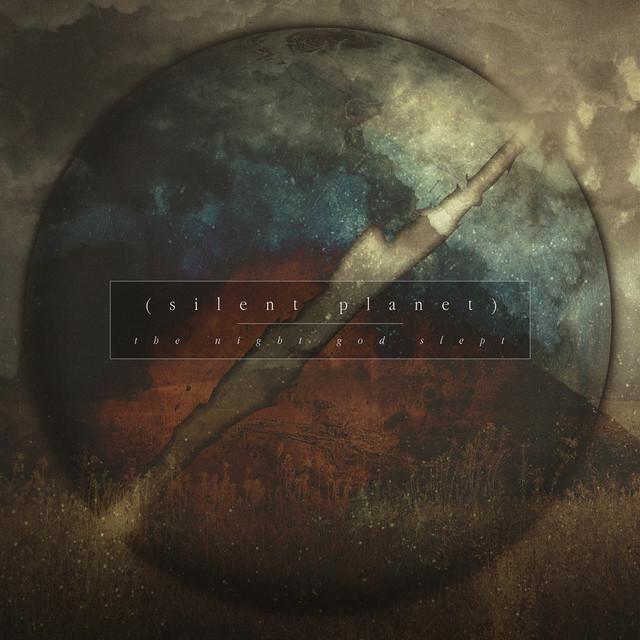
Why "XX (City Grave)" Feels Like a Warning
The meaning of XX (City Grave) Silent Planet centers on a brutal idea: a modern city can turn into a graveyard when power, privilege, and apathy make suffering invisible. In this song, Silent Planet ties personal violation to larger systems—consumer culture, religious control, digital detachment, and social neglect.
"XX (City Grave)" - Silent Planet
Forgive me, Lover, and forget my sullen face
Privilege brings us to this place
Loading lyrics...
Unable to load lyrics
We're unable to display the lyrics at this time. Please try again later.
They do not present pain as one private event. Instead, they show how private harm grows inside public structures. That is what gives the song its force. It sounds personal, but it is aimed at a whole culture.
A City Built on Damage
At its core, the song describes a world where women’s bodies and lives are treated as disposable. The early images move from class and privilege to display, burial, and pollution. When the lyric refers to a glass display
, it suggests objectification—people turned into things to be viewed, sold, or consumed.
That idea expands with the image of a toxic skyline
. The city is not just a backdrop. It becomes a symbol of a society poisoned by what it accepts as normal. Interpretation: the “grave” in the title is not only literal death; it also points to a culture that buries dignity, empathy, and truth.
Silent Planet often writes songs that connect inner pain to bigger ethical and spiritual questions, a trait noted across coverage of the band and vocalist Garrett Russell’s lyric style in outlets like Solid State Records and Louder. That context helps explain why this song sounds both intimate and political.

Watch the official XX (City Grave)
music video
The Body as Evidence
One of the song’s strongest ideas is that the body remembers what society tries to hide. When the speaker says my body became a graveyard
, they compress trauma into one devastating image. The body is no longer just personal space. It becomes a site where harm is stored.
Then the song turns outward again with bullet holes
, a phrase that points to visible violence, failed leadership, and the lie of moral authority. The line about a preacher with a dry mouth sharpens that attack. The target is not faith itself, but the people who use sacred language to excuse control.
Interpretation: the song argues that abuse survives when powerful voices rename it, soften it, or hide it behind ritual. In that reading, religious hypocrisy is one branch of a larger social disease.
The Screen, the City, and Complicity
A Digital World That Watches Instead of Helping
Midway through, the song moves into the language of screens and online life. The threat to climb through your screen
sounds shocking, but it serves a purpose. It breaks the barrier between image and reality.
That matters because the song sees digital culture as part of the problem. People can witness pain from a distance, feel briefly disturbed, and then scroll away. The lyric about a digital sea
captures this drift well. It suggests endless content, endless distraction, and a type of passive drowning.
In plain terms, the song is asking: what happens when society becomes better at watching suffering than stopping it?
Three narrative turns in the lyrics
- The song begins with injustice and privilege, framing harm as systemic.
- It shifts into bodily trauma and spiritual anger, making the pain immediate.
- It ends in shared guilt and unanswered questions about justice, love, and revenge.
That structure is important. It keeps the song from becoming only a personal confession. It becomes a social accusation.
The Spiritual Questions Cut Deepest
The most haunting section may be the one that turns toward God. The speaker asks whether heaven can really see human misery. This is not a calm prayer. It is a protest.
Can love save me?
Will Your wrath avenge us?
These lines matter because they hold two needs at once: rescue and judgment. The speaker wants healing, but they also want wrongs to be answered. That tension gives the song emotional depth.
The reference to living water
also carries strong biblical weight. In Christian language, that phrase points to spiritual life and renewal. Here, though, the speaker feels unable to reach it. The image of a deep well suggests that comfort, faith, or justice feels distant.
Interpretation: rather than rejecting God outright, the song may be dramatizing what belief sounds like when it passes through trauma. The questions are raw because the wounds are raw.
How the Sound Supports the Message
Silent Planet’s style—usually placed within metalcore and progressive metalcore—fits this material well, with critics frequently noting the band’s mix of crushing heaviness, atmospheric passages, and spoken-word intensity in coverage from sources like Kerrang! and BrooklynVegan. That musical approach matters to the meaning.
The harsh vocals sound like accusation and rupture. The more spacious moments feel like shock, grief, or exhausted prayer. Dense guitars and pounding drums make the song feel trapped inside its own pressure, which mirrors the lyrics’ sense of suffocation.
Even without reproducing much text, listeners can hear the conflict: rage against systems, sorrow over damage, and a desperate search for moral clarity.
Why the Song Still Hits Hard
The meaning of XX (City Grave) Silent Planet is powerful because it refuses easy comfort. It treats violence as both personal and structural. It questions institutions that claim righteousness. And it challenges the audience’s own passivity.
For some listeners, the song will read mainly as a feminist protest against exploitation. For others, it may feel like a spiritual lament about justice in a fallen world. Both readings fit the lyrics, and the song’s strength comes from holding them together.
In the end, Silent Planet presents a city where bodies, screens, churches, and skylines all tell the same story: when a culture stops protecting the vulnerable, the whole place becomes a grave.
Disclaimer: This article offers an interpretation of the song based on the lyrics, artist context, and musical style. Meanings can vary from listener to listener.








