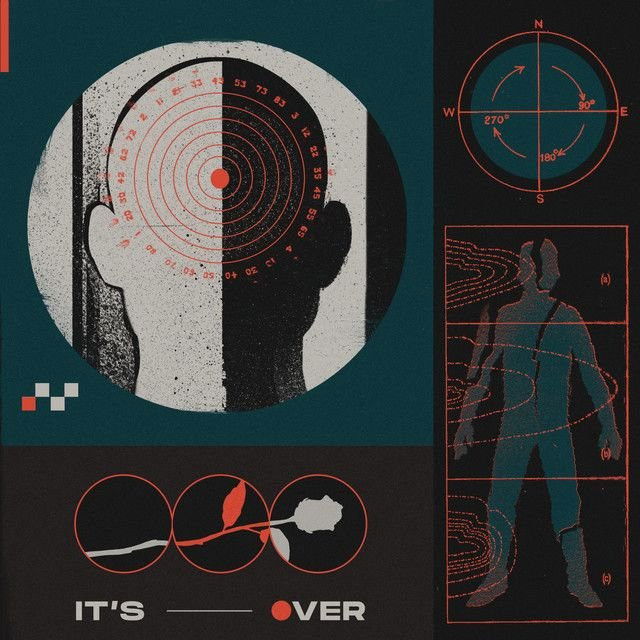
It's Over by Silverstein
The meaning of It's Over Silverstein comes through with brutal clarity: this is a song about panic reaching a breaking point. It does not sound calm, and it does not try to soften what that kind of mental collapse feels like. Instead, Silverstein frame the experience as a final scene, where the speaker feels trapped inside a body and mind that are both failing.
"It's Over" - Silverstein
The last grain of sand slipping through the hourglass
And it can be so overwhelming
Loading lyrics...
Unable to load lyrics
We're unable to display the lyrics at this time. Please try again later.
According to Loudwire, guitarist Paul Marc Rousseau said the song is about “the spiral that leads to giving up” and those hours of anxiety that build into numb, unbearable panic. That context matters because it turns the song’s death imagery into a portrait of emotional crisis, not just shock value. The single was released in November 2021, as reported by Loudwire.
When Panic Feels Like a Countdown
The verses build pressure right away. The speaker describes life as collapsing, with time running out and no way to stop what is coming. A phrase like falling down around me
makes the crisis feel immediate, while the hourglass image suggests the last moments of control slipping away.
Then the song adds motion and danger. The comparison to a car with no brakes captures helplessness better than a simple sad confession would. They are not just upset; they feel locked into disaster. That is why the lines about breath, heartbeat, and closing walls land so hard: the song makes anxiety feel physical.

Watch the official It's Over
music video
The Chorus Turns Anxiety Into an Ending Scene
The chorus is where Silverstein make the song’s central metaphor impossible to miss. The speaker treats the breakdown like a movie finale or funeral, using images of credits, flowers, and burial. A short hook like it’s over
keeps returning, not as relief, but as surrender.
This is one of the smartest parts of the writing. The song does not merely say, “I am anxious.” It stages anxiety as a public ending, almost like the speaker is forced to watch their own final act. The line about the curtain call
blends theater with death imagery, which gives the chorus a dramatic, almost cinematic force.
Roll the credits, it's over
Throw the flowers, it's over
That two-line idea sums up the song’s emotional logic: when panic becomes unbearable, the mind starts narrating everything as if the end has already arrived.
A Flashback Makes the Fear More Real
In the second verse, the song suggests this crisis is not new. The speaker says a previous episode nearly killed them, which gives the current panic even more weight. This is important because recurring anxiety often feels worse precisely because the person recognizes the symptoms and knows how bad they can get.
Images of the afterlife, a lifeless body, and being trapped on train tracks push that terror into nightmare territory. Interpretation: these scenes may not be meant as literal plot points. They work more convincingly as intrusive thoughts, dissociation, or the feeling of watching oneself from outside during a severe breakdown.
That reading fits Rousseau’s explanation in Loudwire, where he described panic escalating until even the body feels unreal. The song’s most violent images sound like a mind trying to make invisible suffering visible.
Corruption, Isolation, and Self-Destruction
The bridge widens the song beyond private fear. When the speaker says trust is corruption
and calls themselves a pariah, the emotional world becomes more social. This is not just internal panic; it is panic shaped by alienation, bitterness, and a feeling of not belonging.
Then the self-destructive imagery gets sharper. The lines about smashing everything and bleeding suggest a person who no longer sees any path to repair. Interpretation: the song may be describing the urge to destroy what hurts before it destroys them first. That is different from saying the track offers a solution. It does not. It documents a mental state at its darkest point.
Why the Sound Hits So Hard
Silverstein’s style has always been good at turning emotional distress into motion, and that is true here too. The song opens aggressively, with heavy guitars, urgent drums, and vocals that sound pushed to the edge. Those choices matter because they copy the body language of panic: fast pulse, shallow breath, rising tension.
Even the melodic details serve the theme. The lyric about all the violins
is almost sarcastic, rejecting the idea that beauty or drama can slow the fall. In production terms, the track does not linger in softness for long. It keeps driving forward, which makes the listener feel the same loss of control the speaker describes.
Songwriting credits provided here list Carson Novak, Grant McFarland, Paul Marc Rousseau, Sam Guaiana, Shane Told, and William Hamilton. That team helps explain why the song feels so focused: every section pushes the same central emotion from a slightly different angle.
The Most Useful Way to Read the Song
So what is the meaning of It's Over Silverstein? The clearest answer is that it captures the moment when anxiety stops feeling manageable and starts feeling terminal. The lyrics use death, film, and funeral imagery to express surrender, dread, and emotional exhaustion.
At the same time, the song’s power comes from how honestly it stages that experience. It does not tidy up the feeling or force a hopeful lesson. It lets the listener sit inside the spiral. For fans of post-hardcore, that directness is part of why the track hits so deeply.
In the end, It’s Over is less about a literal ending than about what panic can convince a person is true in the worst moment. Interpretation disclaimer: song meaning is never fully fixed, and listeners may hear the track as anxiety, depression, social alienation, or some combination of all three.








