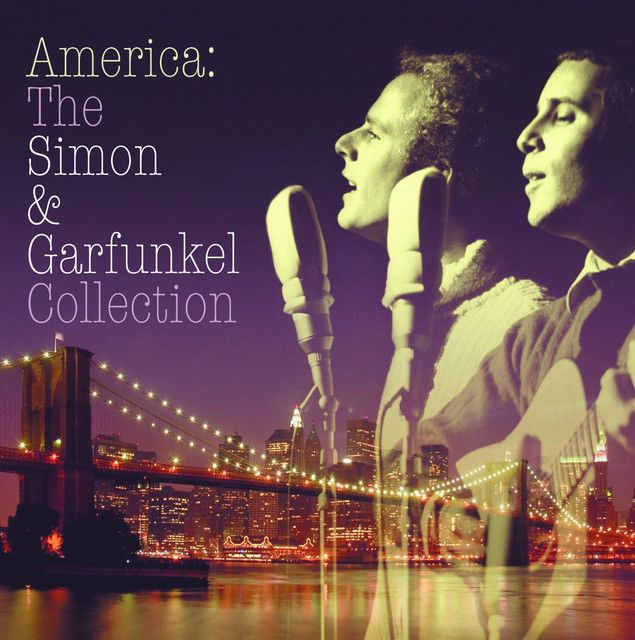
America by Simon & Garfunkel
A road song with a deeper ache
The meaning of America Simon & Garfunkel is bigger than a bus ride, a romance, or a map. Paul Simon turns a small travel story into a quiet meditation on identity, disappointment, and hope. Two young people move through diners, highways, and open fields, but the real destination never seems fully clear.
"America" - Simon & Garfunkel
"I've got some real estate here in my bag"
So we bought a pack of cigarettes and Mrs. Wagner pies
Loading lyrics...
Unable to load lyrics
We're unable to display the lyrics at this time. Please try again later.
That is why the song still feels powerful. It captures a very American kind of longing: the belief that somewhere out there, life will make sense if they just keep moving. By the end, the search feels national and personal at once.

Watch the official America
music video
What the song is really about
On the surface, the plot is simple. A couple sets out with little money and ordinary supplies, including Mrs. Wagner pies
, and heads off to look for America
. The details feel casual and real, which grounds the song in everyday life rather than myth.
Interpretation: beneath that plain storytelling, the song asks what “America” actually means. Is it a place, a dream, a version of adulthood, or a promise that never quite arrives? The narrator seems to be looking for all of those at once.
The song’s emotional turn comes when the trip stops feeling playful and starts feeling hollow. What began as adventure becomes uncertainty. That shift gives the song its lasting sting.
How the journey becomes a symbol
The opening has a youthful confidence. The couple acts as if love and movement can solve everything. Even the line about having property in a bag turns poverty into a joke. They are improvising a life together, and at first that feels freeing.
Then the song fills with passing images: a Greyhound, magazines, scenery, moonlight, and strangers. These snapshots matter because they show motion without arrival. They are traveling, but they are not finding answers.
Small scenes, big meaning
Several moments sharpen this idea:
- They start with optimism and shared purpose.
- They pass time by laughing and inventing stories.
- Silence slowly replaces playfulness.
- The narrator admits inner confusion.
- The search widens from two people to everyone around them.
That last move is crucial. When the narrator looks out at the New Jersey Turnpike and imagines that they have all come to look for America
, the song stops being private. It becomes a portrait of a whole culture chasing meaning.
Kathy, companionship, and loneliness
Kathy is important because she keeps the song from becoming abstract. Her presence gives the story warmth, humor, and intimacy. They tease each other, share cigarettes, and ride side by side. That closeness makes the later confession hit harder.
When the narrator says I’m lost
, he is not alone in a physical sense. He is sitting next to someone who cares about him. Yet he still feels disconnected. That contrast suggests one of the song’s deepest truths: companionship can ease uncertainty, but it cannot erase existential doubt.
Interpretation: Simon may be showing the gap between romantic fantasy and emotional reality. Love matters, but it does not automatically answer the bigger questions of who they are or what kind of country they belong to.
The sound of motion and emptiness
Part of the meaning of America Simon & Garfunkel comes from the arrangement. The performance is gentle, spacious, and patient. Acoustic guitar gives the song a folk foundation, while the melody moves with an easy, traveling rhythm instead of a hard-driving beat.
Simon & Garfunkel’s harmonies also matter. Their blend often sounds unified, but there is still a trace of distance in the delivery, as if emotion is being carefully observed rather than dramatically released. That restraint makes the sadness stronger.
As factual context, the song was written by Paul Simon and appeared on Bookends in 1968, an album often linked to themes of time, memory, and modern alienation. It was produced by Simon, Garfunkel, and Roy Halee, whose clean, detailed studio work helped shape the duo’s sound.
Why 1968 matters
The song’s impact is tied to its era. In the late 1960s, many Americans were questioning national identity, social ideals, and the promise of progress. Without naming current events directly, the song reflects that climate of searching.
That is one reason the title feels so bold. “America” sounds huge, but the song stays focused on tiny lived details: snacks, buses, smoke, roadside boredom. Instead of making a speech about the nation, it shows how national questions appear inside ordinary experience.
A brief lyric moment that sums it up
The song’s emotional center arrives in a short confession:
Kathy, I’m lost
I’m empty and aching
Those words turn the trip inward. After all the movement, the clearest discovery is not a landmark but a feeling.
Why the ending lands so hard
The final repetition of the search idea changes everything that came before it. At first, “America” seems like a destination the couple might reach. By the end, it sounds more like a shared human condition: everyone is in motion, everyone is searching, and few people know exactly for what.
That ambiguity is the point. The song never fully defines America because the search itself is the subject. They are chasing belonging, meaning, and a version of the national dream that may always stay just ahead.
Final takeaway
The meaning of America Simon & Garfunkel lies in how it turns a modest travel narrative into a reflection on youth, love, and the uneasy promise of the American dream. Its power comes from contrast: movement and stillness, partnership and loneliness, humor and emptiness.
That is why the song endures. It suggests that the search for America is really the search for a self that feels whole.
Disclaimer: This interpretation separates widely accepted facts from informed reading. As with many great songs, some meanings remain open to the listener.








