How "April Come She Will" Turns Love Into Seasons
The meaning of April Come She Will Simon & Garfunkel is simple on the surface and quietly devastating underneath. In just a few lines, they present a love affair that begins with promise, shifts without warning, and ends as a memory. The song is short, but its emotional arc feels complete.
"April Come She Will" - Simon & Garfunkel
When streams are ripe and swelled with rain
May, she will stay
Loading lyrics...
Unable to load lyrics
We're unable to display the lyrics at this time. Please try again later.
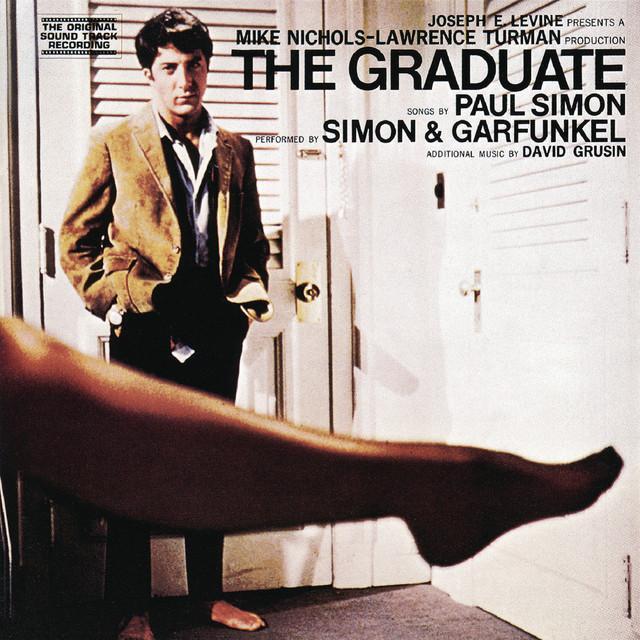
Written by Paul Simon and recorded by Simon & Garfunkel, the track is widely associated with The Graduate and was also included on Sounds of Silence, one of the duo's key 1960s releases. Factually, it stands as one of their briefest and most delicate songs, built around acoustic guitar and close, controlled vocals. That restraint is part of why the song still lingers.
A Romance Told Through the Calendar
At its core, the song compares a relationship to the passing seasons. The woman arrives in spring, stays for a moment, starts to drift in summer, and is gone by the time autumn takes hold. The months do not just mark time; they show emotional change.
The opening image, April, come she will
, introduces love as something expected yet slightly mysterious. Spring usually suggests renewal, and the song uses that feeling to frame the beginning of romance. When the singer reaches May and June, the relationship still exists, but the mood is already shifting.
By the time the lyric reaches June, she'll change her tune
, the emotional center has moved. What once felt restful becomes uncertain. Then July, she will fly
makes the departure feel sudden, almost impossible to stop. The final turn into September, I remember
leaves the narrator with memory instead of presence.
Watch the official April Come She Will
music video
Why the Seasonal Images Matter
The song's most powerful idea is that change feels natural even when it hurts. Rain-swollen streams, spring warmth, summer restlessness, and cold autumn wind all suggest that love can follow a life cycle of its own.
Interpretation: They may hear the woman as both a person and a symbol. On one level, she is a lover whose feelings cool over time. On another, she represents spring itself: beautiful, brief, and impossible to hold. That dual meaning gives the song its lasting power.
The key line for this reading is August, die she must
. This does not need to be read literally. Instead, it suggests the death of a phase: the end of passion, youth, or an idealized version of love. The song treats that ending almost like weather. It is sad, but it also feels inevitable.
The Story They Tell in Six Months
The lyric works like a tiny timeline:
- In April, love appears with freshness and possibility.
- In May, it feels close and comforting.
- In June, unease enters the picture.
- In July, the loved one leaves abruptly.
- In August, the relationship is effectively over.
- In September, only memory remains.
That structure is one reason the song feels so complete despite its length. There is no extra explanation, no dramatic argument, and no attempt to reverse what happens. The calendar itself becomes the plot.
How the Sound Carries the Heartbreak
The arrangement matters as much as the words. Simon & Garfunkel often used clean acoustic textures and carefully blended harmonies, and this song is a textbook example of that aesthetic. The performance is light, almost fragile, which suits a story about something that cannot last.
The guitar pattern moves gently, without big rhythmic jolts. That keeps the song from sounding bitter or theatrical. Instead, it feels reflective, as if they already know the ending while singing the beginning.
Their vocal blend also changes the emotional effect. A story of loss sung by two voices can sound paradoxical, but here it makes the sadness feel universal rather than private. It is not just one person's heartbreak. It becomes a shared human experience: people fall in love, people change, and time keeps moving.
Artist Context Gives It Extra Weight
Paul Simon wrote the song during the duo's rise in the 1960s, a period when Simon & Garfunkel became known for pairing folk simplicity with literary compression. Their work often used small details to imply larger emotions, and this song is one of the clearest examples.
Its use in The Graduate also shaped how audiences heard it. In that film, Simon & Garfunkel songs helped define a mood of drifting youth, romantic confusion, and emotional distance. Even outside the movie, "April Come She Will" carries that same feeling of fleeting connection and quiet disappointment.
Two Strong Ways to Read the Song
Interpretation 1: It is a straightforward breakup song. A woman comes into the narrator's life, grows restless, leaves, and becomes a memory by fall.
Interpretation 2: It is about the short life of idealized love itself. The woman may be less an individual than a personification of a season, or even of youth. In this reading, the song is not blaming anyone. It is mourning impermanence.
Both readings fit because the lyric is so compressed. It gives just enough detail to feel personal, but not enough to close off symbolism.
Why It Still Connects Today
The meaning of April Come She Will Simon & Garfunkel still resonates because many listeners know this exact emotional pattern. Some relationships do not explode; they fade. One person becomes restless, the mood changes, and later the strongest feeling is not anger but recollection.
That is what makes the song so elegant. They do not chase a big lesson. They simply show how love can bloom, cool, and disappear with the seasons.
Disclaimer: This interpretation is based on the lyrics, recording, and public context around the song. As with many classic songs, listeners may reasonably hear different meanings in its imagery and emotional arc.








