What 'At the Zoo' Really Says About People
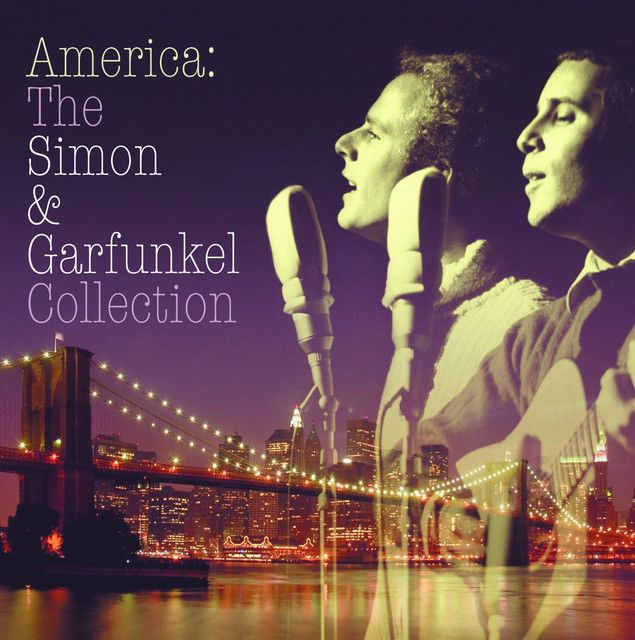
The meaning of At the Zoo Simon & Garfunkel starts with a joke and ends with a social portrait. On the surface, the song sounds like a cheerful trip to a city zoo. Under that surface, it turns into a clever study of human behavior, using animals as stand-ins for different kinds of people.
"At the Zoo" - Simon & Garfunkel
I do believe it
I do believe it's true
Loading lyrics...
Unable to load lyrics
We're unable to display the lyrics at this time. Please try again later.
Paul Simon wrote the song, and Simon & Garfunkel released it during their rich late-1960s run. It first appeared as a single in 1967 and later on Bookends, according to standard discographies and the duo’s catalog history. The result is one of their most playful songs, but also one of their slyest.
A Zoo That Looks a Lot Like Society
The song begins with excitement. The repeated hook about how it is all happening at the zoo
makes the place sound trendy, busy, and important. They present the zoo almost like the center of urban life, not just a family outing.
That is the key move. Instead of treating animals as wild creatures, the lyric assigns them social roles and personality types. The monkeys represent honesty
, while giraffes are called insincere
. Later, the song points to skepticism, secrecy, and rigid politics in other animals too.
Interpretation: the zoo works as a miniature version of the human world. The cages become neighborhoods, institutions, and belief systems. What seems silly at first becomes a compact satire about how people label one another.
Watch the official At the Zoo
music video
How the Verses Build the Joke
Before the satire sharpens, the song spends time on the trip itself. They describe the visit as a pleasant city ramble, with a bus ride as backup if the weather turns bad. That detail matters because it grounds the song in ordinary life.
Then the lyric shifts. Once the listener arrives, the animals stop being animals in any normal sense. Each one becomes a type. The elephants are kind but not bright. The orangutans distrust change in their cages. Even the zookeeper gets a comic flaw, said to be fond of rum
.
This structure matters. The first half invites the listener into a harmless excursion. The second half reveals that the whole trip is really about observing a society made of stereotypes, habits, and private motives.
The Chorus Turns Wonder Into Irony
The refrain is simple, but it does a lot of work. Every return to at the zoo
makes the place sound more crowded with meaning. The phrase is catchy enough to feel childlike, yet the verses make it clear that the singer is seeing something sharper than a day out.
Interpretation: the chorus suggests that public life is a spectacle. Everyone is on display. Everyone can be reduced to a role. The zoo is exciting because it is a performance space where personality becomes visible, exaggerated, and easy to judge.
That reading fits Paul Simon’s writing style from the era. His songs often mixed precise everyday scenes with irony and emotional distance, a trait widely noted in coverage of his 1960s work.
Symbols Hiding in Plain Sight
Several images carry the song’s deeper meaning:
- Animals as people: Each creature acts like a social category.
- Cages as systems: The line about changes in cages hints at resistance to change inside fixed environments.
- The zoo as the city: The trip from the East Side makes the setting feel urban, modern, and public.
- Observation as judgment: To visit the zoo is to watch and sort others.
One especially telling moment comes when pigeons supposedly plot in secrecy
. That phrase is funny, but it also captures the song’s suspicion that beneath public order lies quiet scheming. Even small, common creatures become political.
Why the Sound Feels So Light
Musically, the song helps its message land without sounding harsh. Simon & Garfunkel were known for crisp vocal blend, folk-based songwriting, and polished pop arrangements, especially in the period around Bookends and their 1967–1968 recordings.
Here, the melody is bright and easy to follow. The rhythm moves with the same casual motion as the city trip in the lyric. Their vocals stay controlled and clean, which makes the strange character sketches sound witty instead of angry.
That contrast is important. If the arrangement were darker, the song might feel bitter. Instead, the lightness lets the satire sneak in. They sound amused by the world even while poking at it.
Two Strong Ways to Read It
A playful social satire
This is the strongest reading. The song assigns human flaws and beliefs to animals, turning the zoo into a cartoon version of society. The humor keeps the observations memorable.
A comment on conformity
There is also a deeper reading about institutions. When animals are defined by simple labels, they lose individuality. Interpretation: the song may be hinting that modern public life reduces everyone to types, tribes, and predictable roles.
That second reading gives extra weight to the cage imagery. It suggests that people do not just live in society; they are arranged by it.
Why the Song Still Connects
Part of the meaning of At the Zoo Simon & Garfunkel is its flexibility. A casual listener can enjoy it as a clever, catchy tune. A closer listener can hear a funny but sharp picture of how people behave in groups.
That balance is why the song lasts. It never explains itself too much. It trusts the listener to notice that once the animals start sounding human, the real subject is no longer the zoo.
Final Take
"At the Zoo" is best understood as a witty social snapshot disguised as a whimsical outing. Its animal portraits, city setting, and upbeat sound all support the idea that public life is both entertaining and absurd.
This interpretation is based on the lyrics, the song’s musical presentation, and Simon & Garfunkel’s broader artistic context. As with many songs by Paul Simon, some ambiguity is part of the design.







