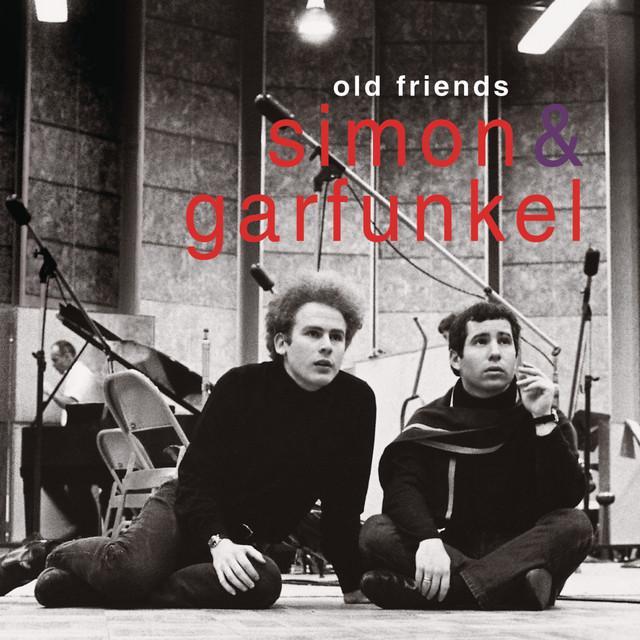
Why 'Blues Run the Game' Still Hurts
The meaning of Blues Run The Game Simon & Garfunkel comes down to a painful truth: some kinds of sadness travel with a person. The song describes motion, romance, drinking, and hope, but none of them can outrun the blues. That is why it still lands so hard.
"Blues Run The Game" - Simon & Garfunkel
Maybe to Spain
Wherever I have gone,
Loading lyrics...
Unable to load lyrics
We're unable to display the lyrics at this time. Please try again later.
Though many listeners connect the song with the Simon & Garfunkel world, it was written by Paul Simon, as noted in the prompt for this analysis. What matters most in the lyric itself is its emotional shape. They present a speaker who keeps moving forward physically while feeling emotionally stuck.
A Wanderer Who Cannot Escape Himself
From the opening image of leaving by boat, the song builds a life of drift. The singer imagines far-off places, using the phrase Catch a boat to England
and then widening the horizon even more. The idea is not really tourism. It is escape.
But the refrain undercuts that dream. Every destination leads to the same result: the blues run the game
. In plain terms, sorrow is in charge. The speaker may change countries, rooms, habits, or lovers, but the emotional outcome stays the same.
Interpretation: This is why the song feels bigger than a breakup ballad. It is not just about one failed relationship. It is about a pattern of living where sadness becomes the rule.
Watch the official Blues Run The Game
music video
The Narrator’s Cycle of Drink, Memory, and Regret
The middle verses deepen that pattern. The singer calls for liquor and ends up alone with room service
, which suggests hotel life, temporary spaces, and weak substitutes for real connection. They are surrounded by comfort, but not by warmth.
Then the lyric shifts from drinking to obsessive memory. When the speaker is not numbing out, they are thinking of the person they miss. When they cannot sleep, grief turns into tears. The song never needs to overstate this. Its plain language makes the pain feel ordinary, which somehow makes it sadder.
How the Refrain Turns Personal Pain Into Fate
A major reason the song is so memorable is the hook. Each verse offers a new behavior: traveling, drinking, loving, gambling on life. Yet the chorus keeps returning to the same verdict. The blues are not one episode; they are the system.
That matters because the song is built around repeated effort and repeated defeat. Even the line Living is a gamble
suggests risk without control. The speaker throws the dice, but the game seems fixed from the start.
Interpretation: The refrain can be heard two ways:
- as resignation, where the singer accepts sadness as unavoidable
- as self-knowledge, where the singer finally admits that their habits keep feeding the same pain
Both readings fit the lyric.
Growing Older Does Not Promise Relief
One of the song’s sharpest moments comes near the end, when the singer imagines becoming older and simply giving up the struggle. The future is not painted as healing. It is painted as exhaustion.
That is the quiet shock of the song. Many folk songs about wandering hold onto freedom as a kind of prize. This one does not. Age may arrive, but wisdom does not necessarily follow. The singer may just stop trying.
Maybe when I'm older
I'll just stop all my trying
Those short lines carry the weight of burnout, not peace. The speaker is not dreaming of maturity. They are bracing for emotional surrender.
Why Simon & Garfunkel’s Style Fits the Song
As a song associated with the Simon & Garfunkel orbit, this piece makes sense through a folk lens: clean melody, steady rhythm, and intimate delivery. Their style often let words sit in the foreground, where small emotional turns could do the heavy lifting.
For a song like this, that restraint matters. Big production would weaken it. The spare arrangement common to mid-1960s folk recordings lets the loneliness breathe. Acoustic textures, gentle pacing, and close vocal phrasing make the speaker sound near the listener, almost like a private confession rather than a stage performance.
Interpretation: That musical simplicity mirrors the theme. The singer has nowhere to hide, and the arrangement does not hide them either.
The Song’s Core Symbols, Decoded
Several images repeat, and each one points back to the same theme:
- Boats and foreign places: fantasies of escape
- Alcohol: self-medication and avoidance
- Hotel-room details: instability and loneliness
- Gambling: risk, fate, and lack of control
- Aging: fear that nothing will truly change
Seen together, these images tell a single story. The narrator keeps choosing motion over resolution. They keep trying to outrun pain instead of facing it.
So What Is the Song Really Saying?
The best answer to the meaning of Blues Run The Game Simon & Garfunkel is that the song portrays depression, heartbreak, or deep loneliness as a force that shapes every choice. Travel cannot cure it. Romance cannot steady it. Alcohol cannot drown it. Time may not even soften it.
That is why the song remains so affecting. It is simple, but not shallow. It understands how people can keep moving while carrying the same hurt into every new place.
Final Thought
They leave the listener with a hard truth: changing scenery is not the same as changing a life. The singer keeps going, but the blues keep winning.
Disclaimer: This interpretation is based on the lyrics provided and the song's commonly discussed themes. Meaning in music is never fully fixed, and different listeners may hear different shades of emotion in it.







