Why 'Feelin' Groovy' Still Feels So Free
The meaning of The 59th Street Bridge Song (Feelin' Groovy) Simon & Garfunkel starts with a simple idea: life moves too fast, and joy often appears when people stop rushing. What makes this song last is how little it strains to make that point. Instead of preaching, Simon & Garfunkel make calm sound natural, playful, and deeply human.
"The 59th Street Bridge Song (Feelin' Groovy)" - Simon & Garfunkel
You got to make the morning last
Just kicking down the cobblestones
Loading lyrics...
Unable to load lyrics
We're unable to display the lyrics at this time. Please try again later.
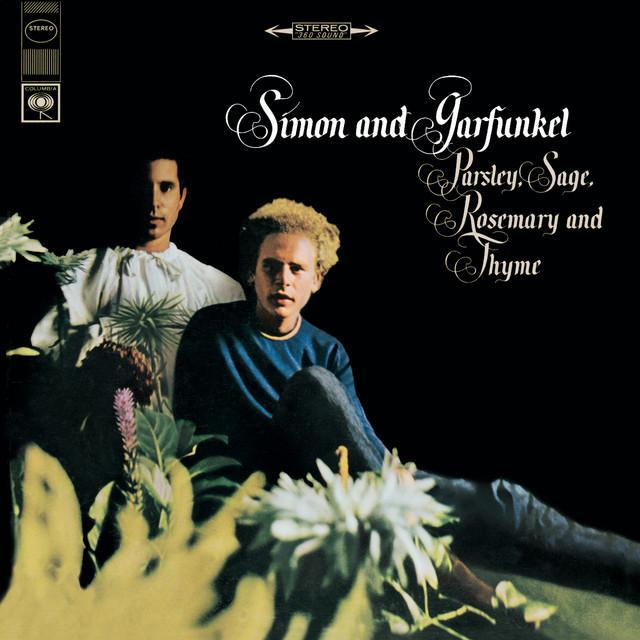
Released on Parsley, Sage, Rosemary and Thyme in 1966, the song was written by Paul Simon and recorded by the duo during their creative peak. According to the album credits and historical discographies, it arrived in a period when Simon & Garfunkel were sharpening their mix of folk writing and studio polish. That context matters because this track feels almost weightless, yet it is carefully built. The result is one of their warmest recordings.
A Small Morning With a Big Message
At its core, the song is about resisting hurry. The opening warns, Slow down
, then follows that thought with images of walking, looking around, and letting the day unfold. Rather than chase some major goal, the singer seems content to exist inside the morning.
That is why the song feels so refreshing. It treats stillness as a success, not a failure. When the singer is simply looking for fun
, the line does not sound childish. It sounds wise. They are choosing experience over achievement.
Interpretation: The song can be heard as a gentle answer to the pressure to always be productive. It does not reject responsibility forever. It simply argues that a moment of peace has value on its own.
Watch the official The 59th Street Bridge Song (Feelin' Groovy)
music video
The City Turns Friendly
One of the song’s smartest moves is how it turns a city scene into something intimate. The singer talks to a lamppost and watches flowers, making an ordinary urban walk feel enchanted. In other words, the world becomes more alive once they stop racing through it.
That detail gives the song more depth than its cheerful reputation suggests. A bridge, a sidewalk, and a streetlight are not glamorous symbols. Yet Paul Simon uses them to show that wonder does not require escape. It can happen right in the middle of New York.
Why the bridge matters
The title points to the 59th Street Bridge, also known as the Queensboro Bridge, a real New York landmark. Even without turning the song into a travelogue, that location gives it shape. A bridge suggests movement, but this song uses that setting to celebrate pause. That contrast is part of its charm.
Freedom Without Ambition
The middle verse sharpens the theme by naming what the singer does not have to do. When they say they have no deeds to do
and no promises to keep
, the mood becomes more than casual happiness. It becomes temporary freedom from obligation.
That freedom is not reckless. The singer is not tearing anything down. They are simply resting inside a rare gap in the schedule. The sleepy phrase about being dappled and drowsy
adds to that feeling. Sunlight, tiredness, and drifting attention all merge into a portrait of healthy idleness.
Let the morningtime drop
all its petals on me
This brief image is one of the song’s prettiest moments. It turns the morning into something soft and almost floral, as if time itself can settle gently instead of pushing forward. That helps explain why the final emotional turn feels so openhearted.
What the Refrain Really Means
The repeated phrase feeling groovy
can sound dated to modern ears, but in the song it works because it is vague. It does not pin the mood down too tightly. It means relaxed, pleased, connected, and present all at once.
That looseness is important. If the chorus named one exact emotion, the song might feel smaller. Instead, the refrain acts like a state of mind. It invites listeners to fill in their own version of ease.
Interpretation: The hook is less about slang than about permission. It gives people room to feel okay without needing a dramatic reason.
How the Sound Carries the Point
The arrangement helps sell the meaning. Simon & Garfunkel’s recording uses a light acoustic base, easy rhythm, and bright vocal blend. Nothing pushes too hard. The music strolls the way the lyrics stroll.
The famous vocal melody and nonsense syllables matter too. They create buoyancy without adding more argument. That is a smart production choice: instead of explaining calm, the song performs it. Listeners hear relaxation in the spacing, the bounce, and the uncluttered phrasing.
This balance was part of Simon & Garfunkel’s strength in the mid-1960s. Their records could sound polished without losing warmth. On this track, that polish keeps the song airy rather than sleepy.
More Than a Happy Tune
Because the song is so cheerful, it is easy to dismiss it as lightweight. But its staying power comes from how clearly it answers a lasting problem. Many people feel trapped by speed, noise, and endless tasks. This song offers a different model: pay attention, enjoy the weather, and let the world come to you.
That is why the ending lands so well. When the singer declares love for life, it does not feel huge or dramatic. It feels earned by small observations. The song argues that gratitude often begins in tiny, ordinary moments.
Why It Still Connects
For modern listeners, the meaning of The 59th Street Bridge Song (Feelin' Groovy) Simon & Garfunkel may feel even more relevant than it did in 1966. In an age of alerts, deadlines, and constant motion, its invitation to slow down sounds less like nostalgia and more like advice.
Their message is not that ambition is bad. It is that attention matters. A quiet morning, a city walk, a drifting thought, or a kind mood can be enough. That is the song’s lasting gift.
Disclaimer: This interpretation separates documented facts from critical reading. Meaning can vary by listener, and songs often stay powerful because they allow more than one honest reading.









