Why 'Don't You' Still Hits So Hard
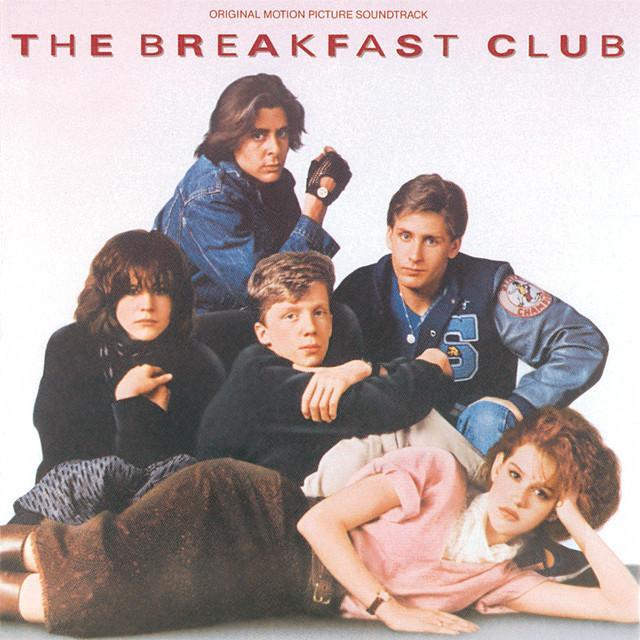
The meaning of Don't You (Forget About Me) Simple Minds comes down to one deep fear: making a real connection, then wondering if it will disappear once ordinary life returns. That idea made the song perfect for The Breakfast Club, the 1985 film it was written for by Keith Forsey and Steve Schiff. Simple Minds did not write it, but their version became the defining one, and it went to No. 1 on the Billboard Hot 100 after appearing in the film's opening and closing credits.
"Don't You (Forget About Me)" - Simple Minds
Ooh, woah
Won't you come see about me?
Loading lyrics...
Unable to load lyrics
We're unable to display the lyrics at this time. Please try again later.
A Plea to Be Remembered, Not Just Loved
At its core, the song is not only a love song. It is a song about recognition. The speaker wants another person to truly see them and keep seeing them later, even after the emotional moment has passed.
That is why lines built around phrases like come see about me
and call my name
feel so important. They are not grand poetic puzzles. They are direct requests for care, attention, and proof that the bond was real.
Interpretation: In the world of The Breakfast Club, this fits the movie's central tension. The characters connect during detention, but they worry that once Monday comes, social roles will take over again. According to reporting collected by American Songwriter and Songfacts, Forsey said the idea grew from that very question.

Watch the official Don't You (Forget About Me)
music video
How the Verses Build Anxiety
The verses move between openness and fear. The singer invites honesty, asking for doubts and troubles to be shared, then quickly shifts into worry that change will pull the relationship apart.
The phrase slow change may pull us apart
captures that fear in simple language. Nothing dramatic has to happen. Time, distance, insecurity, or daily routine can do the damage.
Then the song raises the stakes with questions like will you recognize me
and walk on by
. Those lines suggest a haunting possibility: not just a breakup, but erasure. The worst outcome is not conflict. It is becoming invisible to someone who once knew them well.
Why the Chorus Became an Anthem
The chorus works because it is so plain. Don't you forget about me
is almost childlike in its honesty, which makes it stronger, not weaker. There is no clever disguise around the feeling.
That simplicity helped the song travel far beyond the movie. It could fit teenage friendship, romance, drifting adulthood, or even the fear of being left behind by success and change. Critics have often heard both longing and sadness in it; for example, Spin was quoted via Wikipedia calling it a romantic and melancholy dance track.
As you walk on by
Will you call my name?
Or will you walk away?
This is the song's emotional crossroads. The speaker imagines a future encounter and asks the hardest question: when the moment of truth comes, will the other person choose connection or distance?
The Sound Turns Doubt Into Drama
A big part of the meaning of Don't You (Forget About Me) Simple Minds comes from the performance, not just the words. The track blends new wave sheen, pop-rock lift, and synth atmosphere. Its steady pulse keeps moving forward, while the drums and guitar give the feeling extra size.
That matters because the lyrics are intimate, but the arrangement is huge. The production by Keith Forsey turns a private fear into a public anthem. Wikipedia and Songfacts both note that Jim Kerr added the famous opening shouts and the long "la-la-la" coda, while Charlie Burchill added strong guitar parts that pushed the track toward a bigger, more cinematic sound.
The Backstory Makes the Song Even Better
One of the most interesting facts is that Simple Minds resisted the song at first. They preferred recording their own material and reportedly turned it down multiple times before finally agreeing. Jim Kerr later admitted they were young and hesitant, while also acknowledging that the song opened major doors for the band. American Songwriter reports Kerr saying it kicked the door to the big league wide open.
That history adds another layer to the song's legacy. What began as an outside assignment became their biggest US hit and one of the most enduring songs of the 1980s. It is now almost impossible to separate from the final image of The Breakfast Club and its message about identity, memory, and change.
Two Strong Ways to Read It
Interpretation 1: Romantic uncertainty. The song can be heard as one person asking a partner not to let the relationship fade into a vague memory.
Interpretation 2: A social identity crisis. In the film context, it sounds like a plea to remember the real person beneath labels, status, and performance.
Both readings work because the song stays broad. It never traps itself in too much detail, so listeners can place their own fear of being forgotten inside it.
Why It Still Lasts
The song lasts because nearly everyone understands its question. They may not phrase it this way, but many people wonder whether important moments matter equally to both sides.
That is what gives the track its staying power. It is catchy, cinematic, and emotionally direct, but beneath all that polish is a very human worry: if they shared something real, will it still matter when the world starts moving again?
Interpretation disclaimer: This article separates documented facts from informed interpretation. Like many pop songs, "Don't You (Forget About Me)" supports more than one valid reading.







