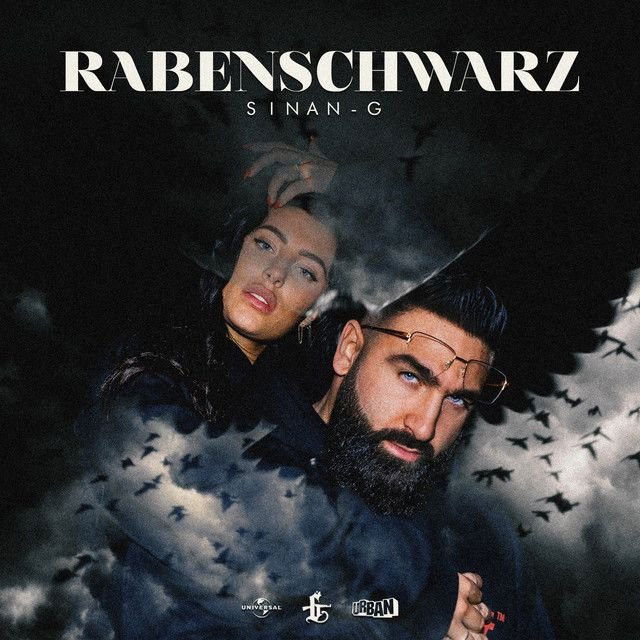
Why 'RABENSCHWARZ' Is About Empty Success
The meaning of RABENSCHWARZ Sinan-G centers on a sharp contradiction: they have achieved the life they once chased, but it brings no real comfort. Money, cars, and status are present, yet the song keeps returning to loss, loneliness, and a heart that feels emotionally dark.
"RABENSCHWARZ" - Sinan-G
Doch im Paradies sind Euros nichts mehr wert (ja)
Heut hab' ich alles, was ich wollte und noch mehr (viel mehr)
Loading lyrics...
Unable to load lyrics
We're unable to display the lyrics at this time. Please try again later.
That tension gives the track its force. Instead of celebrating success, Sinan-G turns success into evidence that some wounds do not close just because life looks better from the outside.
A Hook Built on Contrast
At its core, the song says that external wins cannot repair internal damage. The chorus makes that plain by placing abundance next to emotional emptiness. When they say Euros nichts mehr wert
, the point is not that money literally has no value. It means money loses emotional power when love, trust, or peace are gone.
The image that defines the whole song is Herz ist rabenschwarz
. Paraphrased, they are saying that wealth may be bright and visible, but their inner life has gone dark. That contrast between colorful cash and blackened feeling is the song’s main idea.
Interpretation: The track is less about greed than about disillusionment. It presents success as something they once believed would solve everything, only to find that heartbreak survives the glow of achievement.

Watch the official RABENSCHWARZ
music video
Who They Are Speaking To
Much of the song feels directed at a former partner. The verses suggest a shared future once existed: house, family, stability. Now those plans belong to someone else.
One of the most painful details is the shift from intimacy to distance. The lyrics move from old dreams to a present where they only see the relationship in memory, almost like a photo frozen in time. That is why the song feels personal rather than purely boastful.
Love Lost, Pride Exposed
They also admit that they pretend to be fine. The line mir gut geht
is immediately undercut by the confession that they are not coping well. That matters because it breaks the image of control.
Even jealousy is framed as helplessness. They imagine striking at the new man, but the real pain lands back on the person they still care about. In simple terms, anger becomes another form of grief.
The Story the Verses Tell
The narrative unfolds in a clear sequence:
- They reached material success.
- The relationship they valued has ended.
- Their former partner seems to have moved on.
- Success now feels empty because the future they imagined is gone.
The Autobahn image helps tell that story. When they mention Kickdown auf der A3
, they are describing speed, pressure, and escape. But the next emotional fact is loneliness. They can accelerate physically, yet they cannot outrun memory.
Another key detail is social media. The mention of watching someone else’s story shows how modern heartbreak works: pain is not only remembered, it is constantly refreshed by images of another life continuing without them.
Street History Still Haunts the Present
One of the strongest layers in the song is the idea that the past does not stay buried. The lyric about loving einen Jungen von der Straße
points to identity, not just biography. They present themselves as someone shaped by a hard environment, someone whose old life still shadows the new one.
That gives the breakup an added weight. It is not only the loss of a partner. It is also the loss of the person who may have believed they could fully leave that world behind.
Interpretation: The line about the street taking everyone back suggests fatalism. Even if they gain money and recognition, the emotional codes of that life—paranoia, toughness, self-medication, restless motion—still define how they respond to pain.
How the Sound Supports the Meaning
Even without reproducing the full production notes, the song’s likely rap-ballad structure matters. The writing credits provided—Ben Vestito, Marco Tscheschlok, Maximilian Johannknecht, and Sinan Farhangmehr—suggest a collaborative build focused on both melody and confession.
The music appears designed to support emotional contrast: a polished, modern sound carrying vulnerable subject matter. That kind of production often uses spacious keys, heavy low end, and a hook that feels anthemic while the verses stay intimate. In a song like this, that approach makes sense.
Why? Because the track needs to sound large enough for success, but wounded enough for regret. The beat can frame luxury, while the vocal delivery reveals collapse.
Was sind die Erfolge hier noch wert?Denk' an dich
Those two short ideas summarize the emotional design. Achievement is questioned, and memory fills the silence that money cannot.
Why the Song Connects
What makes the meaning of RABENSCHWARZ Sinan-G compelling is its honesty about a familiar fantasy. Many people imagine that once they “make it,” emotional pain will shrink. This song argues the opposite: heartbreak can make achievement feel strangely unreal.
It also works because it refuses a simple image of masculinity. They mention the car, the money, and the public image, but then admit to obsession, pain, and self-numbing. That vulnerability gives the song its staying power.
Final Take on the Darkness Inside
In the end, “RABENSCHWARZ” is about the gap between appearance and feeling. They have the symbols of winning, yet they are still trapped inside grief, jealousy, memory, and an identity shaped by survival.
That is why the title fits so well. The heart is not merely sad; it has gone dark from carrying too much unresolved pain.
Disclaimer: This article offers an interpretation based on the lyrics and available song information. Song meaning can remain open, and listeners may hear different emotional layers in the track.







