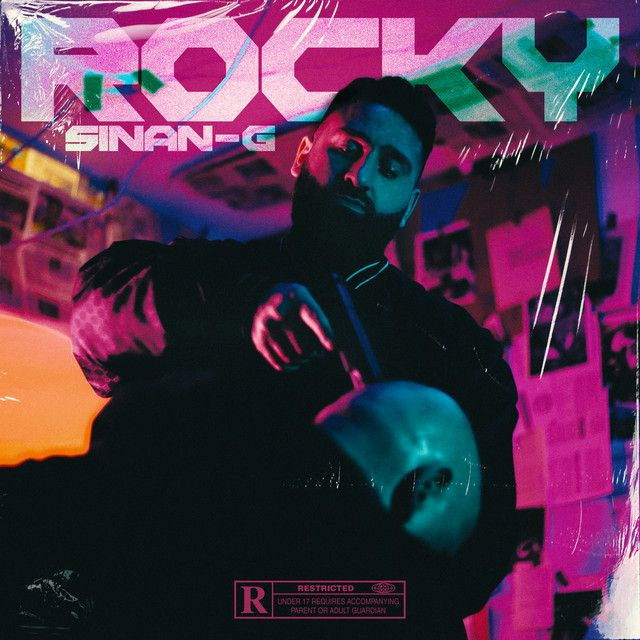
Why 'Rocky' by Sinan-G Hits Like a Comeback
The meaning of Rocky Sinan-G starts with one clear idea: this is a comeback song. Sinan-G builds the track around struggle, reputation, and the belief that they earned status the hard way. The title points to the Rocky film series, especially the image of a fighter who gets knocked down and climbs back.
"Rocky" - Sinan-G
(Ahu) war im Knast, ja, das gab's noch kein Spotify
Doch ich hab' auf der Straße das Copyright (ahu)
Loading lyrics...
Unable to load lyrics
We're unable to display the lyrics at this time. Please try again later.
Rather than sounding reflective or soft, the song comes in with pressure. They present a life shaped by prison, street codes, and constant testing. In that frame, success is not luck. It is survival turned into identity.
The Core Message Behind the Track
At the center of the song is a claim to authenticity. Sinan-G contrasts an older, harsher life with today’s rap scene. When they say no Spotify
, the point is not technology itself. It is that their story began before streaming culture and before easy online visibility.
That leads into another key phrase, street copyright
. This is not a legal claim. It means they see themselves as having original authority in the world they describe. In other words, their version of street rap comes from lived experience, not performance.
Interpretation: the song argues that credibility matters more than polish. Sinan-G is not asking for sympathy. They are demanding recognition.

Watch the official Rocky
music video
How the Hook Explains the Meaning of Rocky Sinan-G
The chorus is the song’s thesis statement. It repeats prison history, sexual dominance, money talk, and the comeback image. The line about fighting back like in Rocky 3
is the emotional center because it turns scattered boasts into one larger story.
Here is the one short multi-line excerpt that captures that idea:
War im Knast
street copyright
fee must be doubled
back to the toplike in Rocky 3
Paraphrased, the hook says: they came from confinement and hardship, built real-world status before the industry changed, and now expect bigger rewards because they fought their way back.
That is why the refrain sticks. It mixes memory, ego, and ambition into a compact slogan.
A Life Story Told as Proof
The verses work like evidence. Sinan-G lists crime, youth, prison time, business moves, and threats to show they are not playing a role. Even when the details are extreme, the song wants listeners to hear them as proof of a real past.
They also attack newer rappers for image-making. A line like you are not street
draws a sharp line between lived history and commercial posing. Another phrase, true story
, pushes the same point. The message is blunt: many artists sell danger, but they believe they survived it.
This is where the song becomes more than brag rap. It is about control over narrative. If others doubt them, they answer with biography.
Violence, Faith, and Moral Contradiction
One reason the song feels tense is that it mixes aggression with flashes of conscience and belief. They suggest their soul may not reach heaven, then reject talking with anyone who denies God. That creates a rough moral world rather than a simple criminal pose.
Interpretation: this contradiction may be intentional. Sinan-G sounds like someone who sees themself as both damaged and principled. They admit darkness but still hold onto ideas of honor, faith, and justice.
That complexity matters. Without it, the song would be only intimidation. With it, the track becomes a portrait of someone trying to justify who they became.
Why the Production Matters
The lyrics point to a hard-edged rap record, and the producer tag at the start signals a beat built for impact. Even without detailed public production notes, the song’s structure suggests a forceful instrumental: heavy drums, a repetitive hook, and space for sharp vocal attack.
That style fits the message. A glossy or emotional beat would weaken the stance. Here, the likely stripped-down aggression makes every boast land harder. The repetition in the chorus mirrors boxing training: hit, reset, hit again.
In that sense, the production does what the Rocky reference does. It makes endurance feel physical.
Artist Context Shapes the Song
Sinan-G is the stage name of Sinan Farhangmehr, who is credited here as the writer. That matters because the song leans heavily on personal history and public persona. The more a rapper ties lyrics to biography, the more the audience hears the track as testimony as well as performance.
For U.S. listeners, the easiest comparison is a street-rap record where credibility is part of the art. The details are rooted in German rap culture, but the themes are global: authenticity, revenge on doubters, and success after punishment.
That is also why the title works so well. Rocky is an international symbol. People do not need every detail of Sinan-G’s background to understand the shape of the story.
Final Take on the Meaning
So, what is the meaning of Rocky Sinan-G? It is the sound of a rapper turning survival into status. The song says their scars are the source of their authority, and their comeback is not symbolic. It is the whole point.
Interpretation: listeners may hear the track either as literal autobiography or as a larger-than-life defense of reputation. Both readings fit the song because rap often blends fact, persona, and pressure.
In the end, Rocky works because it never asks to be liked. It asks to be believed.
Disclaimer: This interpretation is based on the lyrics provided and publicly available artist context. As with any song, meaning can vary by listener and may include artistic exaggeration or persona-building.








