Fire on Babylon by Sinéad O’Connor
A song that turns pain into accusation
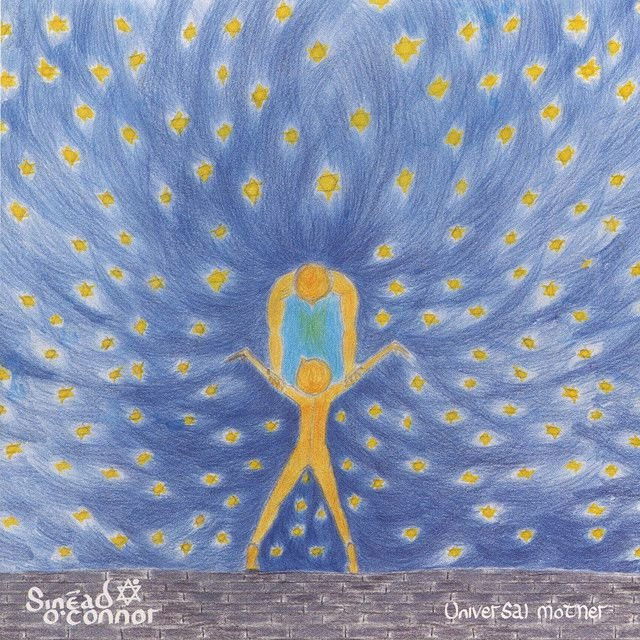
The meaning of Fire on Babylon Sinéad O’Connor starts with anger that has finally found words. Released in 1994 as the second single from Universal Mother, the song is widely understood as a confrontation with maternal abuse, childhood fear, and the larger systems that let that harm continue. It was written by Sinéad O’Connor and John Reynolds, and co-produced with Tim Simenon. Reports on the release also note its blend of reggae, trip-hop, and funk-rock textures, plus a Miles Davis sample from Dr. Jekyll
in the arrangement.
"Fire on Babylon" - Sinéad O’Connor
Took my sister and brothers oh
I watched her torturing my child
Loading lyrics...
Unable to load lyrics
We're unable to display the lyrics at this time. Please try again later.
Factually, critics and biographical sources have long tied the song to O’Connor’s troubled relationship with her mother. In Rememberings, as summarized by Songfacts, O’Connor said the song was sparked by learning something her mother had done to one of her brothers. That context matters because the lyrics do not sound vague or abstract. They sound like testimony.

Watch the official Fire on Babylon
music video
The core message behind the lyrics
At its heart, the song describes a speaker looking back on abuse and refusing silence. The opening lines list what was taken: a father, siblings, safety, even the speaker’s own child being harmed or threatened. When the song says feeble I was then
, it marks a sharp divide between childhood powerlessness and adult defiance.
That change is the emotional engine of the whole track. The repeated cry Fire on Babylon
is not just destruction for its own sake. Interpretation: it sounds like a demand for judgment, exposure, and cleansing. In biblical language, Babylon often stands for corruption, cruelty, or a fallen power. So when O’Connor invokes Babylon, the target can be both one abusive mother and a much bigger structure of domination.
This is why the chorus feels larger than family drama. The line a change has come
suggests a turning point: the survivor is no longer trapped inside the old story.
How the verses build that meaning
The song’s verses move in a clear pattern:
- They name personal losses.
- They describe manipulation and lies.
- They widen the damage to the whole family.
- They end in a vision of collapse and reckoning.
The middle section is especially important because it frames abuse as psychological control, not only physical harm. The speaker says love was distorted by lies. That idea helps explain why the song feels so intense: it is not simply about being hurt, but about being taught to misunderstand that hurt.
Life's backwards
The house is burned
The children are gone
These lines compress the aftermath into stark images. Home is no longer shelter. Family order has been reversed. Childhood has been emptied out. Interpretation: this may describe memory in emotional terms rather than a literal event, but the effect is the same: abuse turns the world upside down.
The mother figure and the wider target
Many listeners read the song as being directly addressed to O’Connor’s mother, and there is strong reason for that reading from biographical commentary. But the song also invites a second layer.
Critics have heard a broader political or spiritual meaning in the Babylon image. Some linked it to empire, institutional control, or social hypocrisy. That does not cancel the family reading. It expands it. O’Connor often wrote songs where private suffering and public injustice mirrored each other.
So the woman in the lyric can be a real mother, but also a symbol of systems that injure children, distort love, and then demand obedience. That double meaning helps explain why the song feels both intimate and apocalyptic.
Why the sound hits so hard
The production is a big part of the meaning. Reviews from the time praised the jagged drums, tense bass, and haunted brass color. John Reynolds played drums on the track, and the groove pushes forward without sounding comfortable. Instead of softening the subject, the beat makes the song feel like a ritual of confrontation.
The Miles Davis trumpet sample adds a ghostly edge. It does not dominate the track, but it hovers around it like a memory that will not leave. The reggae and trip-hop elements also matter. They create a sway, but not a relaxed one. The rhythm feels coiled.
O’Connor’s vocal carries the final emotional weight. She moves from controlled phrasing to fierce repetition, turning the word fire
into both curse and release. Critics at the time called the performance harrowing, and that seems fair. They are not singing for sympathy here. They are singing to bear witness.
The music video deepens the reading
The 1994 video was directed by Michel Gondry and has often been described as unsettling and childlike in a disturbing way. Accounts of the video mention dollhouse imagery, a younger version of O’Connor, and a birthday cake catching fire. Those details reinforce the song’s focus on damaged childhood and contained rage.
The cake image is especially sharp. A birthday should signal care and celebration. Setting that symbol on fire flips nurture into threat, much like the lyrics do. The video therefore does not replace the song’s meaning; it visualizes it.
Why the song still matters
Part of the lasting power of the meaning of Fire on Babylon Sinéad O’Connor is that it never tries to tidy trauma into a lesson. It sounds unresolved because abuse often is. Yet it also refuses surrender. The song gives language to the moment when fear turns into moral clarity.
That is why the hook remains so memorable. It is not revenge fantasy in a simple sense. Interpretation: it is the sound of someone calling for the end of a false kingdom, whether that kingdom is a household, a memory, or an institution.
In that way, “Fire on Babylon” stands as one of O’Connor’s strongest protest songs and one of their most personal. It burns because it is naming what should never have been protected.
Final takeaway
For most listeners, the clearest reading is that this song faces maternal abuse head-on and transforms buried anger into a public reckoning. The music, imagery, and biblical language all support that reading while also opening the door to a wider critique of oppression.
All song meaning involves interpretation. Some details above are factual and source-based, while others are informed readings of symbolism, tone, and imagery.








