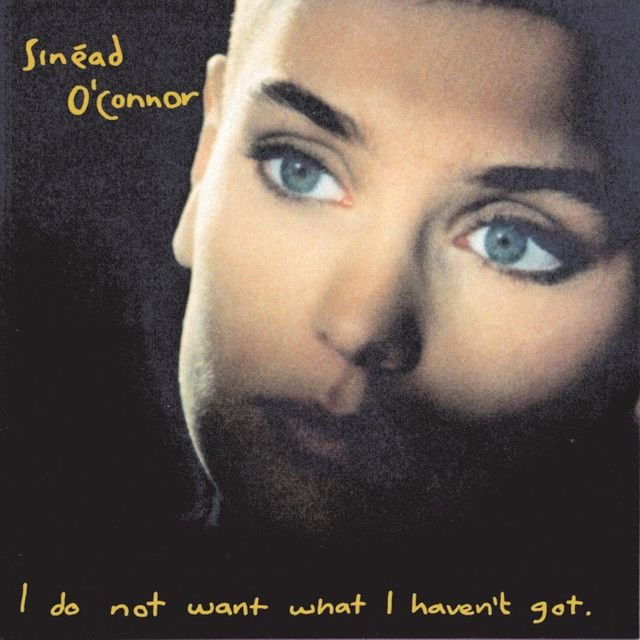
Nothing Compares 2 U by Sinéad O’Connor
Why This Song Still Hurts
The meaning of Nothing Compares 2 U Sinéad O’Connor starts with a simple idea: losing someone can make every normal part of life feel suddenly unreal. The song is often heard as a breakup ballad, but its emotional reach is wider than that. It speaks to absence itself.
"Nothing Compares 2 U" - Sinéad O’Connor
Since you took your love away
I go out every night and sleep all day
Loading lyrics...
Unable to load lyrics
We're unable to display the lyrics at this time. Please try again later.
Factually, the song was written by Prince for The Family in 1985, then transformed into a global hit by Sinéad O’Connor in 1990 on I Do Not Want What I Haven't Got. O’Connor’s version was produced by O’Connor and Nellee Hooper and became a No. 1 hit in the United States and many other countries.
Interpretation: What makes their version so powerful is not just the lyric. It is how the performance turns private pain into something almost impossible to look away from.
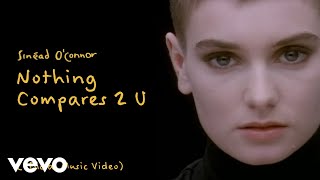
Watch the official Nothing Compares 2 U
music video
A Voice Counting Time After Loss
The opening gives the listener a clock, not a storybook. By marking exactly how long the person has been gone, the song shows a mind stuck in fresh pain. The speaker is not healing yet. They are measuring survival.
Short phrases like seven hours and fifteen days
and took your love away
do a lot of work. They suggest shock, obsessive memory, and a wound that still feels active.
Interpretation: This is why the song feels bigger than ordinary heartbreak. The speaker is not just sad; they are disoriented. Time passes, but emotionally, they have barely moved.
Freedom Without Joy
One of the song’s smartest ideas is that freedom does not fix grief. The speaker says they can do what they want, see who they choose, even enjoy nice things. But those freedoms land as empty gestures.
When the lyric reaches nothing can take away these blues
, it undercuts the whole list. The outside world offers options, but none of them touch the center of the pain.
This contrast is central to the meaning. Many songs about loss focus only on tears. This one also focuses on failed substitutes. Food, nightlife, other people, and advice all fall short.
The Chorus Turns Pain Into Absolutes
The hook, nothing compares to you
, sounds simple, but it is extreme. It does not say the missing person was good, or even easy to live with. In fact, the song admits the relationship could be difficult.
That matters because it gives the chorus more credibility. The speaker is not idealizing a perfect fantasy. They are acknowledging flaws and still saying the bond remains unmatched.
Like a bird without a song
the image reduces grief to emptiness: a living thing still exists,
but its natural voice is gone.
Interpretation: The chorus is really about emotional scale. The absent person has become the measure for everything else. That is why the world feels smaller after they leave.
Images of Damage and Decay
The song uses just a few memorable images, but they stay with listeners. Loneliness appears through tears, silence, and the natural world losing life.
The line about flowers that you planted
is especially important. On the surface, it is a detail from a home. Symbolically, it suggests care, memory, and growth. Once the person is gone, even what they nurtured seems to die too.
There is also a striking shift in the word mama
. Some listeners hear it as a term of affection to a lover. Others think it opens the song to a broader kind of loss, including family grief.
Interpretation: That ambiguity helps explain the song’s lasting power. It can hold breakup pain, but it can also hold mourning, regret, and childhood hurt.
How Sinéad O’Connor’s Performance Changes the Song
Prince wrote the song, but O’Connor’s recording changed how millions understood it. Their version strips the arrangement down and puts the voice in the center. The production uses spacious instrumentation, soft accompaniment, and a restrained pace, so every vocal crack matters more.
Reports on the recording note that O’Connor recorded the lead in a single take and wanted no vocal compression. That choice fits the song perfectly because the voice sounds unprotected, almost physically close.
Interpretation: The recording does not present sadness as polished. It presents it as immediate. That is a key reason the song feels less like performance and more like confession.
The Video Made the Emotion Unavoidable
The John Maybury video became one of the most iconic clips of the 1990s. Its famous close-up keeps attention on O’Connor’s face rather than distracting viewers with plot or spectacle. The final tears became part of pop culture history.
O’Connor later said the tears were real and tied to thoughts of their mother. That does not “explain” the song in a literal sense, but it deepens the emotional context around the performance.
This helps the meaning of Nothing Compares 2 U Sinéad O’Connor feel larger than a cover version. The song became a meeting point between Prince’s writing and O’Connor’s own emotional truth.
Why It Endures
The song lasted because it is specific and open at the same time. It names habits, objects, and days, yet leaves room for listeners to place their own losses inside it.
It also became a cultural landmark: a worldwide No. 1, a four-week Billboard Hot 100 leader in the U.S., and the defining song of O’Connor’s career. But charts alone do not explain its power.
Takeaway: The song is about the helplessness of comparison after loss. Every alternative fails. Every ordinary pleasure shrinks. And one voice, delivered with almost no barrier between feeling and sound, makes that truth unforgettable.
Disclaimer: This article mixes verified background facts with clearly labeled interpretation. Songs can support more than one valid reading.








