Why 'Baby Got Back' Meant More Than Shock
The meaning of Baby Got Back Sir Mix-A-Lot goes beyond its famous hook. On the surface, it is a funny, brash, and very physical party rap. Under that surface, it pushes back against the beauty rules that dominated early 1990s media.
"Baby Got Back" - Sir Mix-A-Lot
It is so big, she looks like
One of those rap guys' girlfriends
Loading lyrics...
Unable to load lyrics
We're unable to display the lyrics at this time. Please try again later.
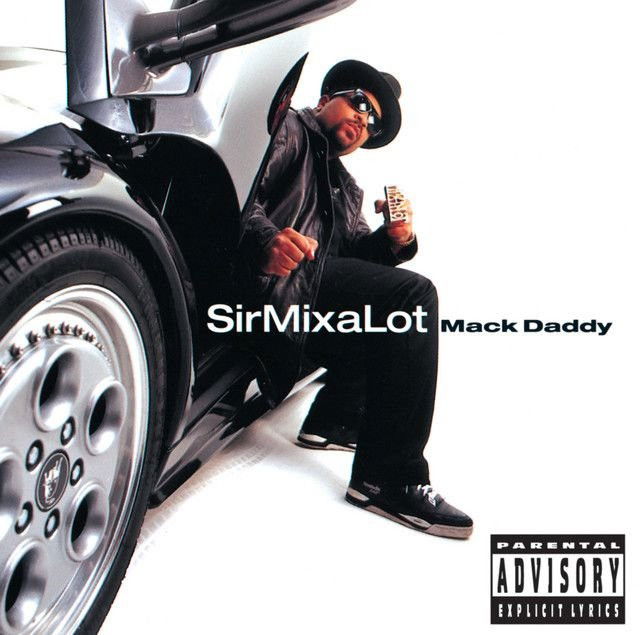
Released in 1992 as a single from Mack Daddy, the track was written by Anthony L. Ray, better known as Sir Mix-A-Lot, and co-produced with Rick Rubin. It became a huge hit, spending five weeks at No. 1 on the Billboard Hot 100 and later winning the 1993 Grammy for Best Rap Solo Performance.[1][2]
The Real Point Behind the Joke
The song is often remembered for one line, I like big butts
. But that line works like a thesis statement, not just a punchline. Sir Mix-A-Lot is openly rejecting the thin ideal pushed by fashion magazines, videos, and mainstream advertising.
He says this directly in the song when he complains that magazines told listeners that flat butts are the thing
. That complaint matters. It turns the record from simple boasting into a cultural argument about who gets called beautiful.
Interpretation: The song presents desire as a form of protest. By praising bodies that were often mocked or ignored in mainstream culture, especially curvier Black women, it challenges a beauty system that treated thinness as the only standard.
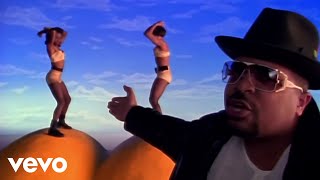
Watch the official Baby Got Back
music video
The Opening Scene Sets Up the Conflict
The spoken intro is crucial to the meaning. A valley-girl voice reacts to a woman’s body with shock, disgust, and a racialized comment. That opening is not neutral comedy. It stages a narrow, judgmental view of beauty so the rapper can answer it.
In that sense, the record begins with ridicule and then flips it. The rap that follows says, in effect, that the woman being mocked is actually the standard the narrator prefers. The contrast gives the song its tension and its point.
A Note on Race and Beauty
The intro and later verses connect body shape to race, media, and class. The song repeatedly suggests that Black beauty standards and mainstream white media standards were not the same. That idea helped make the song feel fresh in 1992, even as its language also made it controversial.[1]
How the Verses Build the Message
The verses move in a clear pattern:
- They announce attraction to curvier women.
- They mock media ideals and cosmetic fakery.
- They defend “real” bodies against shame.
- They turn that defense into a chant-like hook.
One of the sharpest moments is the jab at magazines, especially when the song references Cosmo says you're fat
. He then rejects that judgment. The message is simple: if culture labels a curvy woman unattractive, the narrator refuses to accept that label.
Another key phrase is silicone parts are made for toys
. Crude as it is, the line attacks artificial body expectations and celebrates natural curves. That helps explain why some listeners heard the song as affirming, not just leering.
Interpretation: The song is not subtle, but it is structured. Each joke or boast supports the larger idea that beauty standards are socially made, and they can be challenged.
The Chorus Turns Preference Into a Slogan
The repeated title phrase works because it is short, rhythmic, and easy to shout. More importantly, it reduces the whole argument into one unforgettable pop slogan. That is why the record lasted.
The hook also reframes the verses. Instead of sounding like one person’s private taste, it becomes a public celebration. The phrase L.A. face with the Oakland booty
adds geography and attitude, blending glamorous surface with a body type associated more with local, lived-in culture than fashion-runway ideals.
Why the Production Matters So Much
Musically, “Baby Got Back” is built to hit hard and stick fast. It samples Channel One’s 1986 techno track “Technicolor,” giving it a rubbery, electronic bounce under the drums.[1] The beat feels playful but forceful, which matches the song’s mix of humor and confrontation.
Sir Mix-A-Lot’s delivery also matters. They rap with comic timing, but they do not sound unsure. The performance is confident, almost argumentative, as if every bar is meant to win a debate on the dance floor.
That balance explains the song’s broad appeal. Billboard praised its “slammin’ beats,” while other critics noticed that beneath the comedy was a critique of narrow beauty ideals.[1]
Controversy Was Part of the Story
The song and video drew criticism for sexual objectification, and MTV reportedly banned the video for a time.[1] Those criticisms are fair to include because the song does reduce women to body parts in many lines.
At the same time, Sir Mix-A-Lot defended the record by saying it aimed to broaden the definition of beauty for women who did not look like ultra-thin models.[1] That does not erase the objectification, but it does explain why the song has always lived in two categories at once: crude and corrective.
Two Readings Can Be True
- Factual reading: It is a sexually explicit rap hit built around body-based humor.
- Interpretive reading: It is also a rebuttal to media standards that excluded curvy women.
Those readings do not cancel each other out. They coexist, and that tension is part of the song’s staying power.
Why It Still Lasts
“Baby Got Back” survived because it is catchy, funny, and easy to quote. But its deeper staying power comes from the fact that body politics never went away.
Long after 1992, artists and pop culture kept returning to the song, including Nicki Minaj’s “Anaconda,” which reused its core idea from a woman’s point of view.[1] That afterlife shows the original did more than shock people. It opened a pop conversation about desire, race, and who gets celebrated.
Final Take on the Song's Meaning
The meaning of Baby Got Back Sir Mix-A-Lot is not just that the narrator likes a certain body type. It is that attraction becomes a loud rejection of mainstream beauty rules. The song is messy, funny, sexual, and culturally pointed all at once.
That mix is why it still matters. It is a novelty hit with a real argument inside it.
Disclaimer: This interpretation separates documented facts from critical reading. Meaning can vary by listener, context, and lived experience.









