
Why “I Wish” by Skee-Lo Still Connects
The meaning of I Wish Skee-Lo starts with a joke and ends with something more honest. On the surface, the 1995 hit sounds like a playful list of things they want: more height, more cool, more luck, and more attention. Underneath that humor, though, the song is about insecurity and the pressure to measure up.
"I Wish" - Skee-Lo
We're takin' calls on the wish line
Making all your wacky wishes come true
Loading lyrics...
Unable to load lyrics
We're unable to display the lyrics at this time. Please try again later.
Released on April 10, 1995, as the lead single from Skee-Lo’s debut album I Wish, the track became his breakout hit and reached No. 13 on the Billboard Hot 100, according to its chart history and release data. It was also nominated for Best Rap Solo Performance at the 38th Grammy Awards. Those facts help explain why the song still matters: it made vulnerability sound fun instead of weak.
A Wish List That Hides a Bruise
At the center of the song is a speaker who feels ordinary in a world that rewards image. The hook is simple and unforgettable, especially the phrase I wish I was a little bit taller
. They are not only talking about height. They are talking about social power.
In the song’s world, being taller, athletic, and stylish seems to open every door. The next wish, I wish I was a baller
, connects sports success with romance and status. The narrator believes the guys who win on the court also win in dating, popularity, and respect.
Interpretation: That is the song’s real emotional engine. They are not only jealous of specific people; they are frustrated by a system that makes worth look visible and easy to rank.
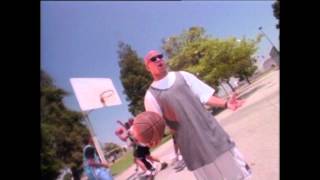
Watch the official I Wish
music video
How the Verses Build That Feeling
The first verse focuses on school-age social life and rejection. The narrator sees a girl they admire, imagines a future, then runs into the reality that they are not her type. What makes the verse memorable is that they tell the story with comedy instead of self-pity.
Even small details do important work. When they mention being last chosen for basketball, the point is not only sports. It shows exclusion in a public setting. Everyone can see who gets picked and who gets ignored.
That idea continues when they describe sitting off to the side, watching the people with confidence move through the room. The song turns common teenage embarrassment into a full social map.
Cars, Crenshaw, and 1990s Status
The second verse shifts from height and dating to money and style. Instead of a dream car, they have a beat-up hatchback, and that gap becomes another symbol of being judged. The fantasy of a '64 Impala
is more than a car reference. It stands for smoothness, control, and cultural cool.
The local details matter too. The song mentions Crenshaw, a major Los Angeles corridor tied to cruising culture and neighborhood identity. That setting gives the song texture. This is not a vague complaint about life; it is a very specific West Coast picture of how status works in public.
Interpretation: In this verse, the car becomes a moving version of the self. If the car looks wrong, they feel wrong. If people laugh at the car, it confirms every fear already in their head.
Why the Chorus Feels Bigger Than a Joke
The chorus works because it is exaggerated and relatable at the same time. One of its strangest images, rabbit in a hat
, adds a cartoon quality, as if magic might fix everything. That kind of random, playful wish keeps the song from becoming too heavy.
Still, the repetition matters. Each return to the hook suggests that the narrator is stuck in the same mental loop: if only they had the right traits, life would finally click. That makes the song catchy, but also sad in a quiet way.
I wish I had a girl
who looked good, I would call her
Even in this brief romantic wish, the song shows how desire is tied to image. Love is filtered through appearance, confidence, and social approval.
The Sound Makes the Honesty Go Down Easy
Part of what makes the track work is its production. According to available release notes, the song was produced by Walter “Kandor” Kahn and Skee-Lo, and it draws much of its musical feel from Bernard Wright’s “Spinnin’,” with a vocal sample from Malcolm McLaren’s “Buffalo Gals.” The result is a loose, jazzy, West Coast groove rather than a hard-edged rap attack.
That matters for meaning. The beat is friendly, bouncy, and unthreatening. It gives the lyrics room to be self-mocking. Critics noticed that balance at the time, with reviews often calling the track good-natured, laid-back, and vulnerable. In other words, the sound tells listeners they can laugh, but they should also listen.
Why It Still Stands Out
Many rap songs build power through confidence. “I Wish” does almost the opposite. It lets the narrator admit that they feel small. That honesty is why the song aged well.
The meaning of I Wish Skee-Lo is not just “they want more.” It is that they think more visible status will solve private pain. The song gently exposes that fantasy while still understanding it.
In the end, “I Wish” is a funny song about not feeling like enough. That mix of humor, detail, and vulnerability made it a hit in 1995 and keeps it recognizable now.
Disclaimer: This interpretation is based on the lyrics, production, and documented context around the song. As with any art, listeners may hear different meanings in it.








