How '18 and Life' Turns Youth Into a Life Sentence
The meaning of 18 and Life Skid Row is simple on the surface and devastating underneath: a teenager wastes his future in one violent, drunken moment.
"18 and Life" - Skid Row
Provided by LyricFindRicky was a young boy
He had a heart of stone
Lived nine to five and worked his fingers to the boneLoading...Loading lyrics...
Unable to load lyrics
We're unable to display the lyrics at this time. Please try again later.
The Tragedy at the Center of the Song
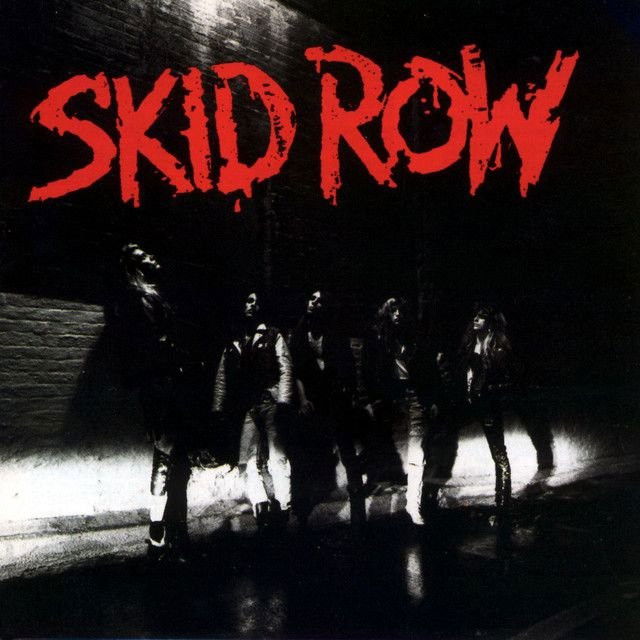
Skid Row's "18 and Life" is a story song, but it does not romanticize its main character. Released in 1989 as the second single from the band's self-titled debut, it became their biggest crossover hit, reaching No. 4 on the Billboard Hot 100 and earning a Gold certification in the United States. Those facts help explain why the song still matters: it brought a grim cautionary tale into the center of mainstream rock.
At its core, the song follows Ricky, a hard young man shaped by poverty, isolation, and violence. The chorus turns his story into a brutal sentence: he is only 18, and now he faces life in prison. That is the heart of the meaning of 18 and Life Skid Row. It is not just about crime. It is about how a damaged teenage life becomes a permanent adult punishment.
Watch the official 18 and Life
music video
Ricky Is Not a Hero
From the opening verse, the song sketches Ricky as tough and emotionally closed off. The phrase heart of stone
suggests a boy who has learned to shut down rather than trust anyone. The song also places him on the margins of society, coming from a rough background and fighting to survive.
That matters because Skid Row do not present him as evil from birth. They present him as formed by his environment. He has no good at home
, no money, and no real support. In plain terms, the song argues that neglect and hardship help build the person he becomes.
Interpretation: The band seem to invite some sympathy for Ricky without excusing him. They show the road to disaster, but they never pretend it was unavoidable.
A Timeline of Bad Choices
The plot moves fast, but each step adds to the warning:
- Ricky grows up angry and defensive.
- He turns to alcohol, risk, and weapons.
- He builds an identity around danger.
- A shooting happens.
- His life effectively ends before adulthood even begins.
The middle verses show how recklessness becomes routine. When the song describes tequila in his heartbeat
, it links booze to his whole way of life, not just one bad night. Likewise, courtship with a gun
turns violence into something intimate and habitual.
By the time the shooting arrives, the song makes clear that this was not pure random fate. Ricky may call it an accident, but the track has already shown the conditions that made tragedy likely.
Why the Chorus Hits So Hard
The chorus is one of the sharpest in late-'80s hard rock because it works like a verdict. 18 and life
is catchy, but it is also cold. It reduces a human story to a legal outcome, as if the system now defines Ricky more than his own name does.
The line about your crime is time
is especially important. In plain English, it means the punishment is not only prison. Time itself becomes the sentence. Every year ahead is marked by one irreversible act.
Interpretation: This may be why the chorus feels bigger than the plot. It speaks to wasted youth in general, not just one fictional or semi-fictional character.
The Final Verse Removes Any Illusion
The song's most chilling moment comes when Ricky brushes off the shooting with the idea that accidents happen. Then the lyric lands the real horror:
Accidents will happen
They all heard Ricky say
He fired his six-shot to the wind
The next line reveals that another child is dead. That detail is the emotional knife twist. This is not a gangster fantasy or a rebellion anthem. It is a story about one kid killing another kid.
That is why the song has lasted. It refuses to let listeners hide behind cool imagery. The leather-jacket attitude collapses into grief and consequence.
How the Music Supports the Meaning
Musically, "18 and Life" sits between a power ballad and a hard rock single. That blend is crucial. The verses carry a steady, tense build, while the chorus opens wide with a huge melodic hook. Sebastian Bach's vocal performance makes Ricky sound both dangerous and doomed.
Producer Michael Wagener gives the track a polished late-'80s sound, but the arrangement keeps enough weight in the guitars and drums to stop the story from feeling soft. The contrast matters: the melody pulls listeners in, then the narrative leaves them with something ugly and serious.
This is one reason the song connected so strongly on MTV and radio. It had the emotional size of a ballad, but the grit of metal. That helped it reach far beyond Skid Row's core audience.
Background That Adds Context
Songwriting credits are widely given to Rachel Bolan and Dave "Snake" Sabo. Song history sources have long tied the idea to a newspaper story about a teen who accidentally shot a friend, though Sabo has also said in later discussion that the earliest inspiration involved his brother's life after Vietnam before the lyric evolved into Ricky's prison story.
That background does not change the song's finished meaning, but it adds an important layer. The track seems interested in what violence does to young men before and after the trigger is pulled.
The Lasting Meaning of 18 and Life Skid Row
The meaning of 18 and Life Skid Row is that youth does not protect anyone from permanent consequences. Ricky is young, poor, angry, drunk, and reckless, but the song's real subject is accountability. One moment of chaos becomes the rest of his life.
That is why the song still hits. It sounds huge, but its message is painfully grounded: some mistakes do not stay in the past.
Disclaimer: This interpretation is based on the released lyrics, documented song history, and common critical readings. Like all song analysis, some meaning remains open to listener interpretation.









