Surviving the Game by Skillet
Why This Anthem Hits So Hard
The meaning of Surviving the Game Skillet comes down to one big idea: pain is not just something to endure, but something to transform. Skillet builds the song like a fight song for people under pressure. Its speaker does not deny suffering. Instead, they treat suffering as the very thing that sharpens resolve.
"Surviving the Game" - Skillet
You have to learn to enjoy the pain
If you want to survive the game
Loading lyrics...
Unable to load lyrics
We're unable to display the lyrics at this time. Please try again later.
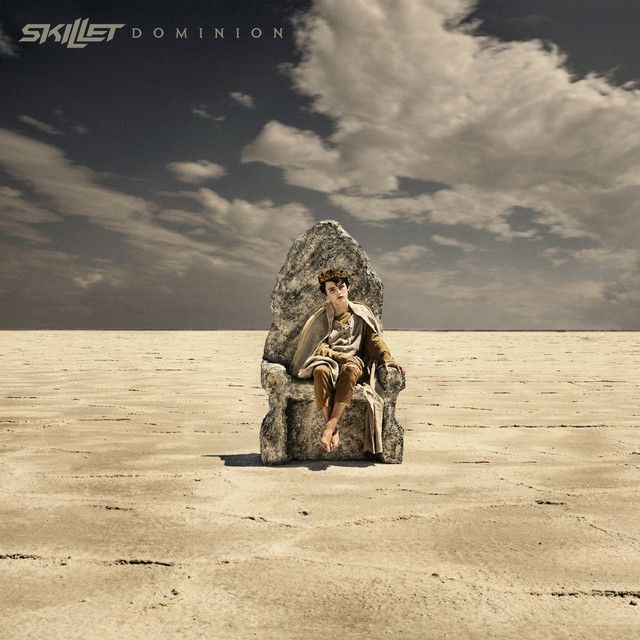
Released in 2021 as the lead single from Dominion, the track marked another arena-rock statement from the band, whose long career has blended hard rock with spiritual and motivational themes. The song’s official credits list John Cooper, Kane Churko, Kevin Churko, and Korey Cooper as writers. Skillet introduced the song ahead of the album campaign through their label and official channels, tying it to the Dominion era and its larger themes of resistance and identity.

Watch the official Surviving the Game
music video
The Core Message Beneath the Battle Cry
At its heart, the song says that survival is a form of victory. The opening idea sets the tone by arguing that to become more than a conqueror
, a person must learn how to carry pain without letting it destroy them. That phrase matters because it shifts the song away from easy confidence. This is not about winning because life is simple. It is about winning because life is hard.
The verses make the struggle feel personal. The enemy in the song could be other people, fear, lies, spiritual evil, or even internal doubt. The lyrics keep that enemy broad on purpose. That lets the song work as both a personal comeback anthem and a spiritual warfare song.
Interpretation: Many listeners hear the track as a Christian-rock statement because of phrases tied to faith-based language, especially the opening claim about being a conqueror. But the song is also open enough to speak to anyone facing setbacks, criticism, or exhaustion.
From Threat to Defiance
The first verse paints a world where someone tries to break and define the speaker. The singer pushes back by saying the hurt will not weaken them; it will feed their determination. When the song uses a phrase like born for this
, it frames struggle as part of destiny rather than proof of failure.
That is one reason the song feels so energizing. It does not ask listeners to wait for rescue. It calls them to reclaim agency. Even when the lyrics mention someone pretending they can save the speaker, the song rejects dependence and moves toward self-possession.
What the Chorus Really Means
The chorus is where the song’s message becomes universal. Lines like survivin' the game
and livin' the impossible
turn endurance into identity. The speaker is not just trying to make it through. They are becoming the kind of person hardship cannot erase.
There is also a sharp emotional jump in the hook. The verses describe attack and pressure, but the chorus answers with momentum and force. The repeated self-descriptions, including unstoppable
and indestructible
, are larger than life. They are not realistic in a literal sense. They sound like the language people use to rebuild confidence when life has knocked them down.
Interpretation: The chorus works almost like a mantra. By repeating these words, the song performs the very resilience it is talking about.
Images of Wolves, Lions, and Kingdoms
The second verse expands the imagery. The speaker is surrounded by liars and danger, compared to predators closing in. Then the song flips the image: instead of prey, the speaker becomes lion-like and fearless. That reversal is important. It turns vulnerability into power.
The reference to being demon-defiant
gives the song one of its clearest spiritual signals. Skillet has long used faith language without always making every line narrowly doctrinal, and this lyric fits that pattern. The idea is not subtle: evil, deception, and fear are real forces, but they do not get the final word.
The mention of a kingdom also raises the stakes. This is no longer only about one person’s emotions. It suggests values, faith, identity, or a whole inner life worth defending.
How the Sound Carries the Meaning
Musically, the song supports its message with force. The guitars are thick and aggressive, the drums hit in a steady march, and the chorus is built to sound huge. That polished hard-rock production gives the lyrics a sense of armor. Even before listeners focus on the words, the arrangement tells them this is a song about standing ground.
John Cooper’s vocal delivery matters too. He sings with grit, but the hooks stay clean and chant-ready. That balance helps the song feel both personal and communal. It sounds like one person fighting back, yet also like a crowd shouting the same words together.
This is a hallmark of Skillet’s style across major releases: motivational writing wrapped in radio-ready hard rock. In this track, the production makes the message feel immediate rather than reflective. It is less a diary entry than a rallying cry.
Why the Song Connects With So Many Listeners
Part of the meaning of Surviving the Game Skillet is its flexibility. Different listeners can map the song onto different struggles:
- personal trauma or loss
- public criticism or betrayal
- mental and emotional burnout
- spiritual conflict
- the daily pressure to keep going
Because the lyrics stay broad, the song avoids becoming locked into one story. That broadness is why it works in workout playlists, faith settings, and comeback moments alike.
Final Take on Skillet’s Message
Skillet’s song is about refusing defeat when pain seems overwhelming. It treats hardship as a test that can either crush a person or reveal what they are made of. By pairing combative imagery with huge production, the band turns survival into something heroic.
Interpretation disclaimer: This reading is an informed interpretation based on the lyrics, Skillet’s artistic style, and the song’s context. Individual listeners may hear different meanings in the same lines.







