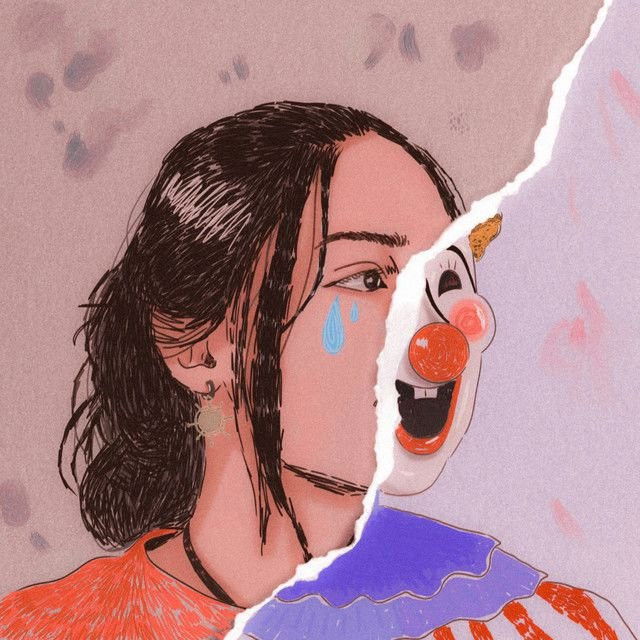
circus by Skinnyfabs
The meaning of circus Skinnyfabs centers on a painful split: the person in the song is expected to entertain others while privately falling apart. That tension gives the track its title and its emotional force. The “circus” idea suggests a public show, a role, and a mask.
"circus" - Skinnyfabs
And feelin' empty feelin' all grey
My psychiatrist keep sayin'
Loading lyrics...
Unable to load lyrics
We're unable to display the lyrics at this time. Please try again later.
What makes the song hit hard is how direct it is. It does not hide behind abstract poetry. Instead, it shows someone moving through daily life while carrying depression, shame, and the fear that honesty will disappoint everyone around them.
The Song's Core: Performance vs. Pain
At its heart, the song is about emotional masking. The narrator wakes up feeling drained and disconnected, then faces advice from others that sounds simple but does not actually help. When people say things will be fine or suggest they should just stop being sad, the song frames that as part of the problem, not the solution.
A key line of thought comes when the narrator explains that they are a clown
whose job is to make people happy. Paraphrased, the song says they have built an identity around laughter and relief for others. But that role becomes a trap. If everyone knows them as the funny one, admitting deep sadness starts to feel like breaking character.
That is the emotional engine of the meaning of circus Skinnyfabs: they can create joy outwardly, yet they cannot turn that same comfort inward.
Watch the official circus
music video
A Clear Narrative With a Dark Twist
How the verses unfold
The lyrics move in a simple but effective sequence:
- They wake up feeling empty and gray.
- They describe talking to a psychiatrist and friends.
- They remember being less damaged in the past.
- They admit that their sadness is getting worse.
- They end by pretending they are better.
That last turn is crucial. Near the end, the wording sounds brighter, with phrases like feelin' better
and finally okay
. But the song immediately undercuts that relief by revealing that this recovery is false. The narrator tells friends they are no longer blue, then confesses that it's a lie
.
This twist changes the full song. It is not a recovery anthem. It is a portrait of how convincing depression can look from the outside when someone has learned how to perform wellness.
The Clown Symbol Does Most of the Heavy Lifting
The clown image is the song's strongest symbol. In popular culture, clowns often stand for comedy, exaggeration, and painted-on emotion. Here, that symbol becomes more personal. The narrator sees themself as someone whose purpose is to keep the room alive.
When they say they like to laugh and make other people laugh, the song is not mocking humor. It is showing the cruel gap between public identity and private reality. The question is not whether they love comedy. The question is why that gift stops working when they need it most.
Interpretation: the “circus” may represent more than entertainment. It can also suggest social life itself: a noisy arena where people play roles, hide pain, and keep moving so the show does not stop.
How the Language Shows Depression
One reason the lyrics feel believable is their plainness. There is no attempt to glamorize suffering. The speaker uses blunt phrases like all grey
and time bomb
to describe their state. Those images are simple, but they are effective.
“Grey” points to numbness and loss of pleasure. “Time bomb” suggests pressure building under the surface. Together, they create a picture of depression as both dull and dangerous: empty on one level, explosive on another.
The song also captures the frustration of bad advice. When others say to stop being unhappy, the narrator hears that as proof that people do not understand what depression feels like. The writing shows that mental illness is not a switch someone can flip off through willpower.
Sound and Delivery Matter Too
Without verified production credits in the provided information, it is safest to focus on what the lyric structure suggests rather than claim exact studio details. Factually, the song is credited here as written by Andhika Wira Respati Karis. Beyond that, specific release data or producer details are not confirmed in the material supplied.
Interpretation: the song likely works best with a direct vocal delivery, because the words rely on confession more than metaphor. Repetition in the hook reinforces the trapped feeling, especially when the “clown” idea returns. That repeated self-definition mirrors a mental loop: the narrator keeps coming back to the same role, the same mask, and the same unanswered pain.
The contrast between dark content and a possibly approachable structure would also fit the theme. Songs about hidden depression often become more unsettling when they sound accessible on the surface, because that mirrors how suffering can be hidden in plain sight.
Is There Any Hope in "circus"?
There is a little, but it is complicated. The song mentions professional help, self-awareness, and a desire to feel normal and have fun. Those details matter because they show the narrator has not given up on the idea of healing.
Still, the ending refuses easy comfort. They are not cured; they are acting cured. That makes the song less about recovery than about the danger of social performance.
For listeners, that may be why the meaning of circus Skinnyfabs feels so sharp. It names a common experience: being the person who seems fine, sounds funny, or keeps others afloat while quietly sinking.
Why the Song Connects
The song connects because it speaks to anyone who has felt pressure to be “the happy one.” Its language is conversational, but its insight is serious. People often praise resilience when what they are really seeing is concealment.
In that sense, "circus" is not just about sadness. It is about the cost of becoming useful to others in one narrow emotional role. Once someone is known as the entertainer, confession can feel like failure.
That reading is an interpretation, not a confirmed artist statement. But based on the lyrics provided, it is the clearest way to understand why this song lingers: the show goes on, and that is exactly the problem.
Disclaimer: This article offers interpretation based on the lyrics provided and limited confirmed background information. Meanings can vary by listener, and only the artist can define final intent.









