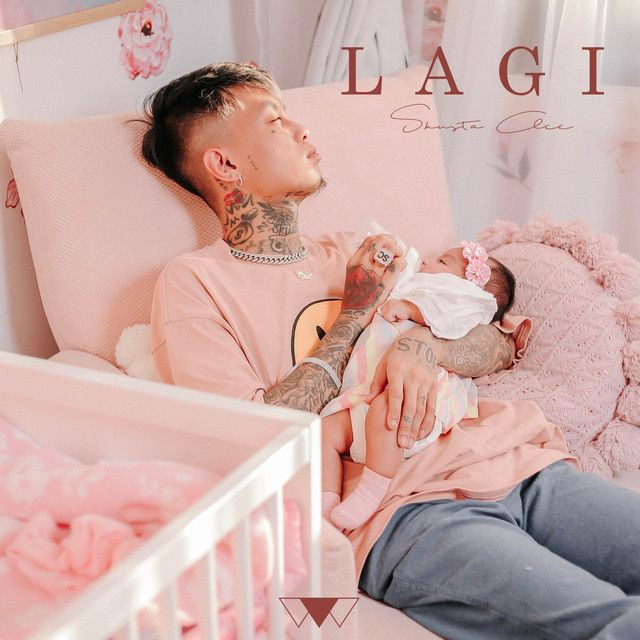
Why Skusta Clee’s “Lagi” Feels Like Pure Sunshine
They come to “Lagi” for the glow. Skusta Clee wraps everyday affection in simple images—morning hellos, soft gazes, unhurried time—until the song feels like a hug you can play on repeat. If someone is searching for the meaning of Lagi Skusta Clee, it’s this: an “always” kind of devotion that thrives in small, steady acts.
"Lagi" - Skusta Clee
Hindi kumpleto ang araw 'pag 'di kita kasama
Okay lang nandito lang ako na laging nakaabang
Loading lyrics...
Unable to load lyrics
We're unable to display the lyrics at this time. Please try again later.
The Meaning, Plain and Bright
At its core, “Lagi” is about presence. The narrator greets them with a tender magandang umaga
and admits the day feels hindi kumpleto ang araw
without their company. They offer patience and time—no countdown, no rush. The point isn’t drama; it’s comfort.
Interpretation: The song reads like a promise to keep showing up. “Always” here is not abstract. It’s practical. The singer will wait, watch, and follow their lead, turning routine moments into proof of care.

Watch the official Lagi
music video
Who’s Speaking—and to Whom?
Most lines sound romantic, but one word—“anak” (child)—opens another door. That single choice invites a parental reading, where the singer addresses a child with gentle reassurance. Still, the rest of the lyrics fit a partner too. The dual address creates a wide tent: a love that can be parental or romantic, and always tender.
‘Di ka nakakasawang tingnan Pagmasdan ang ’yong mga mata
Placed at the song’s center, those lines praise their presence and eyes without turning possessive. Whether to a child or a partner, the tone stays soft and protective.
The Narrative, Beat by Beat
- Morning ritual: They start the day with warmth—hello, contact, and a vow to stick around.
- Patience as proof: They’re fine waiting
magdamag
, not countingilang oras
spent together. - Acts of care: They promise to be there,
handa akong magbabad
, soaking up time just to keep them company. - Steady pursuit: If needed, they’ll
susundan sa’n man magpunta
, not to control but to ensure safety and support.
Each step avoids big speeches. The small beats say enough.
The Hook’s Quiet Promise
The refrain turns into a mantra: ngumiti ka lang palagi
. Interpretation: The smile is both symbol and goal. The narrator takes on the work—waiting, watching, walking alongside—so the other person can relax into happiness. It’s love measured not by gifts, but by calm.
Symbols, Repetition, and the Power of “Lagi”
- Morning greeting: Signals renewal and consistency.
- Eyes: A safe gaze that makes the other feel seen.
- Following: Protection without pressure, a pledge to be near.
- Time: Hours don’t feel “wasted” if they’re spent together.
“Lagi” (always) isn’t just a title. It’s a framework. The word repeats like a heartbeat, making the promise feel durable. The lyrics are intentionally simple, which keeps the focus on care, not cleverness.
How the Sound Sells the Warmth
Musically, “Lagi” leans on a mellow, melodic backdrop—likely guitar or keys, light percussion, and a mid‑tempo bounce. The topline is singable and bright, which makes the repetition soothing instead of dull. Layered vocals give the hook a cushion, so the request to “keep smiling” feels like a group embrace rather than a solo plea.
Skusta Clee’s delivery matters too. He underplays bravado and leans into tenderness, a common move in OPM pop‑rap ballads. The phrasing is conversational Tagalog, which makes the devotion feel everyday and real.
Alternate Readings Worth Considering
- Interpretation—Parental love: “Anak” tips the scale. The protective language and focus on the other’s smile fit a parent’s gentle promise.
- Interpretation—Romantic devotion: The eye imagery and pledge to follow also read as a partner’s vow to show up daily.
Both readings share the same spine: care that doesn’t clock out.
Cultural Texture for U.S. Listeners
A few Tagalog words deepen the mood. Magdamag
(all night) and “babad” (to soak; to linger) stress time spent together. The tender tone lines up with many Filipino love songs that celebrate patience, family bonds, and simple routines over grand gestures.
Takeaway
For anyone asking about the meaning of Lagi Skusta Clee, it’s a soft pledge of presence. The singer doesn’t promise the world; they promise to be there—morning to night—so the other person can keep smiling.
Disclaimer: Song interpretations are subjective; this reading blends lyrical analysis with cultural and musical context.








