What Angel Of Death by Slayer Really Means
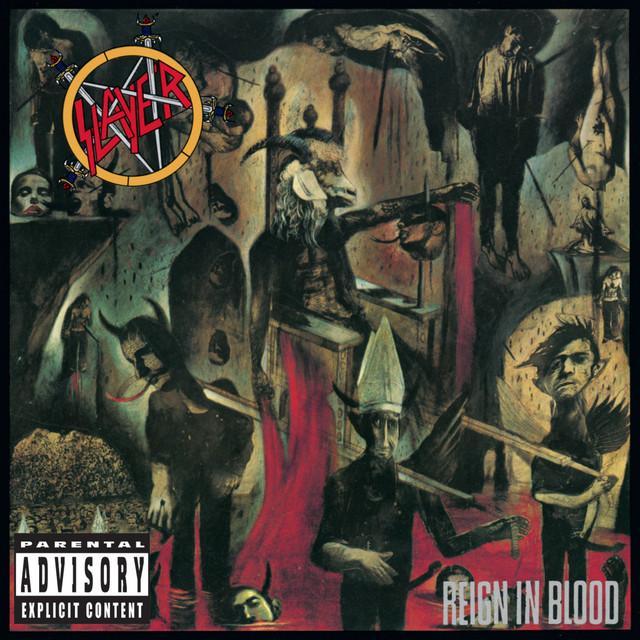
The meaning of Angel Of Death Slayer is not hidden. They built the song around one of history's worst figures: Josef Mengele, the Nazi doctor tied to Auschwitz and notorious human experiments. Written by Jeff Hanneman and released as the opening track on Reign in Blood in 1986, the song is meant to confront horror head-on, not soften it.
"Angel Of Death" - Slayer
Auschwitz, the meaning of pain
The way that I want you to die
Loading lyrics...
Unable to load lyrics
We're unable to display the lyrics at this time. Please try again later.
That direct approach is why the song still shocks people. It does not offer comfort, moral speeches, or distance. Instead, it forces listeners into the brutal facts and asks them to sit with human cruelty at full volume.
A History Lesson Told Like a Nightmare
Factually, the song centers on Mengele and the Holocaust. Hanneman said he bought books about Mengele while on tour and that the material stayed with him until he wrote the lyrics. In his words, it came from reading about "some sick" material and turning that historical horror into a song. That account has been repeated in major coverage of the track and album.
The lyrics name Auschwitz and describe selections, surgical abuse, and medical torture. Phrases like meaning of pain
and forced in like cattle
make the subject plain: this is industrialized cruelty, where victims are stripped of identity and reduced to bodies.
Interpretation: The song's purpose seems to be confrontation through detail. Rather than saying evil is bad in a general way, they show what evil does.

Watch the official Angel Of Death
music video
Why the Song Sounds So Cold
One reason people debate the song is its tone. It often sounds detached, almost report-like, while describing unbearable acts. That style can feel disturbing because it mirrors the clinical logic of a doctor turned butcher.
A key line in the chorus calls him Monarch to the kingdom of the dead
. The song turns Mengele into a symbol of institutional death: a man with authority, status, and method, but no humanity. Another short phrase, surgeon of demise
, pushes the same point. He is not presented as a madman in chaos. He is presented as organized, efficient, and chillingly purposeful.
Interpretation: That may be why the song hits so hard. It suggests the scariest evil is not wild but systematic.
The Lyrics Move Like a Tour of Atrocity
The verses do not tell a personal story with a beginning and end. Instead, they move through scenes of abuse, almost like a sequence of documentary images.
They start with arrival and dehumanization. Then they shift into medical torture, including procedures done without care or mercy. Later lines describe heat, cold, injections, mutilation, and bodily destruction. Even a rare word like abacinate
adds to the effect, making the song sound clinical and unnatural at once.
Millions laid out
crowded tombs
sickening ways
to achieve the holocaust
That brief section widens the focus. The song is not only about one monster. It is about a whole machinery of death.
How the Music Carries the Meaning
The music matters just as much as the words. "Angel of Death" is a thrash metal landmark because it sounds like panic, violence, and unstoppable force. Tom Araya's opening scream is famous for a reason: it feels like an alarm going off before the song explodes.
The riffs come in hard, with rapid picking and sharp stop-start turns. The drumming drives at extreme speed, often cited around 210 BPM, which gives the song a breathless, hunted feeling. Then Slayer drop into the famous half-time middle section, where the groove gets heavier and more ominous. Instead of relief, that slowdown feels like a machine locking into place.
Interpretation: The fast sections express chaos and terror. The slower breakdown expresses control, like horror becoming methodical.
Why It Sparked So Much Controversy
The song's subject matter caused major backlash before and after release. Reign in Blood was delayed amid concerns over the lyrics and artwork, and the album eventually came out through Geffen after Columbia balked. Listeners, especially in Europe, sometimes accused Slayer of Nazi sympathy.
The band denied that reading. Hanneman argued the evil should already be obvious and did not need extra moral labeling. Kerry King also said people should read it as a documentary rather than propaganda.
That debate is still part of the meaning of Angel Of Death Slayer. The song tests whether art can depict atrocity without endorsing it. Many critics think it can. Decibel called it an unflinching account of real horror and stressed that its power comes from showing "man's inhumanity to man," not celebrating it.
So What Does the Song Mean Today?
Today, the song remains powerful because it refuses to let history become abstract. They do not write about genocide as a textbook summary. They make it feel immediate, ugly, and unforgettable.
Its legacy also comes from its influence. Musically, it helped define extreme thrash metal. Culturally, it became a case study in how aggressive art handles historical violence. Some listeners still hear only shock. Others hear a warning about what happens when science, power, and racism merge.
The strongest reading is also the simplest: "Angel of Death" is about the horror of Mengele's crimes and the larger death system around him. Its graphic language and violent sound are there to force witness, not offer escape.
Disclaimer: This interpretation is based on the song's lyrics, documented band comments, and historical context. As with any art, listeners may hear different emphases within the same work.







