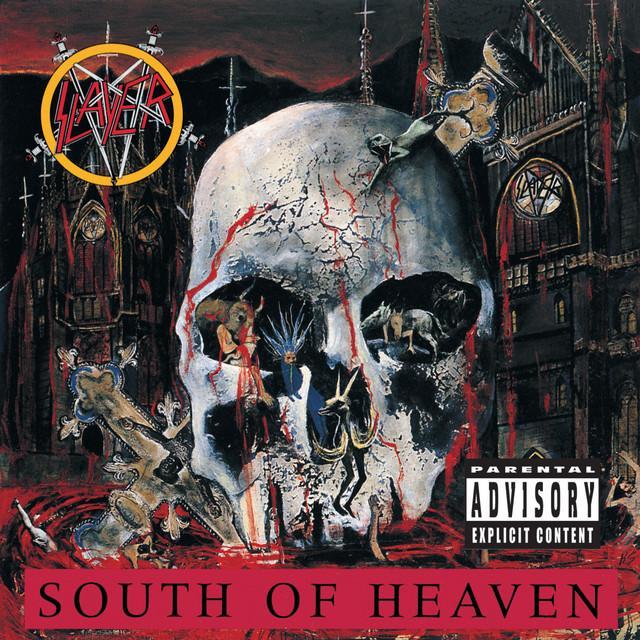
Mandatory Suicide by Slayer
What the meaning of Mandatory Suicide Slayer really points to
For anyone searching for the meaning of Mandatory Suicide Slayer, the clearest answer is this: the song is a brutal anti-war portrait of a soldier trapped in combat, where duty and death become almost the same thing. Slayer do not present war as noble here. They present it as machinery that grinds people up.
"Mandatory Suicide" - Slayer
A child's toy sudden death
Sniper blazes you through your knees
Loading lyrics...
Unable to load lyrics
We're unable to display the lyrics at this time. Please try again later.
Released on South of Heaven in 1988, the track arrived during a key shift in the band’s sound. After the speed attack of Reign in Blood, Slayer intentionally slowed things down on the next album, with Jeff Hanneman saying they felt they “had to slow down,” and Kerry King saying they wanted to “keep people guessing” (Wikipedia). That change matters because this song is not about adrenaline. It is about dread.
Watch the official Mandatory Suicide
music video
A battlefield song told from the line of fire
The lyrics place the listener in the middle of combat almost immediately. Instead of giving a speech about politics, the song uses close-up images of injury, panic, and collapsing bodies. Phrases like murder at your every foot step
and spray of lead
make the battlefield feel constant and inescapable.
The point is not subtle, but it is effective. The soldier is not a hero in control of events. They are a body under attack, one more person being consumed by a system larger than them.
Interpretation: The title phrase suggests that military obligation can become a death sentence. Calling it mandatory suicide
turns service into a cruel paradox: they are ordered to fight, but the order may as well be an order to die.
Why the song feels more like accusation than celebration
Slayer were often misunderstood because they used extreme imagery across their catalog. But in this song, the images are too ugly and hopeless to read as praise. The repeated scenes of bullets, blood, and ruined bodies strip war of romance.
The phrase soldier of misfortune
is especially important. It flips the usual idea of the brave or lucky soldier. Here, they are not marching toward glory. They are marching toward trauma.
Songfacts summarizes one common reading: the track is about a soldier forced into battle on the beaches of Normandy during World War II, watching men die under enemy fire (Songfacts). That interpretation fits the frontline imagery, though the lyrics are broad enough to speak to modern war in general.
The chorus turns the whole song into a verdict
The chorus is simple, repetitive, and disturbing. By hammering the same phrase again and again, Slayer make the title sound less like a dramatic slogan and more like a final judgment. The repetition removes individuality. It is as if the soldier’s fate has already been processed and stamped.
That is why the hook lands so hard. It does not describe one accident or one bad mission. It suggests a pattern where human lives are treated as expendable.
Lying, dying, screaming in pain
Begging, pleading, bullets drop like rain
That short passage captures the song’s emotional center. The focus is not strategy or victory. It is helpless suffering at ground level.
How Slayer’s sound deepens the message
One reason the meaning hits so strongly is the music itself. South of Heaven was produced by Rick Rubin and Slayer, with Andy Wallace handling recording and mixing, according to the album’s credits (Wikipedia). The production is clear enough to let every riff and drum hit feel physical.
Instead of racing nonstop, the band leans into a slower, heavier stomp. Dave Lombardo’s drumming feels militaristic without sounding triumphant. The guitars move like advancing armor, and Tom Araya’s vocal sounds less like a storyteller and more like a witness shouting over the noise.
Interpretation: That slower pace mirrors the song’s theme. Fast thrash can feel chaotic and thrilling. This track feels crushing. It gives listeners time to sit inside each violent image, which makes the horror harder to escape.
Context inside South of Heaven matters too
“Mandatory Suicide” sits on an album that marked a deliberate stylistic turn for Slayer. South of Heaven was released July 5, 1988, and became one of the band’s best-known records, eventually earning Gold certification in the United States (Wikipedia). The album’s darker, more measured tone helped songs like this one stand out.
Critics were split on the record at the time, but even mixed reactions often recognized its force. AllMusic’s Alex Henderson called the album “disturbing and powerful,” a brief description that fits this track well (Wikipedia). “Mandatory Suicide” also became a regular part of Slayer’s live set, which shows how central it was to the band’s identity in this era.
So what does the song finally say?
At its core, the meaning of Mandatory Suicide Slayer is about the dehumanizing logic of war. The song argues that once people are thrown into mass combat, they can be reduced to targets, casualties, and statistics. The title captures that horror in one bitter phrase.
There is room for different historical readings, but the emotional message stays steady: war consumes the people sent to fight it. Slayer make that point with shocking detail, but the goal is not shock alone. It is to force listeners to face what combat does to the human body and mind.
Final takeaway
“Mandatory Suicide” is one of Slayer’s strongest war songs because it combines vivid writing with a slower, crushing musical frame. They turn battlefield imagery into an anti-glory statement about duty, fear, and expendability.
Disclaimer: This interpretation is based on the lyrics, documented album context, and commonly cited commentary. Like many songs, it can support more than one reading.








