
Hitman by Sleepy Hallow
Sleepy Hallow’s “Hitman” turns drill bravado into a story about survival, money, and the cost of staying emotionally guarded.
"Hitman" - Sleepy Hallow
Provided by LyricFindI'ma go in for the kill like a hitman
Said she-
I'ma go in for the kill like a hitmanLoading...Loading lyrics...
Unable to load lyrics
We're unable to display the lyrics at this time. Please try again later.
Why the meaning of Hitman Sleepy Hallow hits hard
The meaning of Hitman Sleepy Hallow is not hard to spot on the surface: they frame themself as ruthless, focused, and ready for pressure. But under that tough posture, the song is really about what happens when survival becomes a mindset.
The hook keeps returning to action, money, and distrust. In simple terms, they are saying life taught them to move first, stay alert, and never get too soft. That is why phrases like for the kill
and get bands
matter. They are not just flexes. They show a world where aggression and income feel tied to safety.
This fits Sleepy Hallow’s place in Brooklyn drill, a scene known for cold delivery, street realism, and sparse but menacing beats. The artist is closely associated with that style through releases with Winners Circle Entertainment and collaborations across New York drill, as documented by outlets like The Fader and XXL.
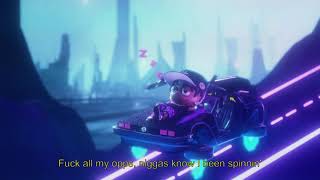
Watch the official Hitman
music video
A hook about power, not peace
The chorus is the key to the whole song. When they compare themself to a hitman
, the point is not subtle. They want the listener to hear total commitment. A hitman does not hesitate, and that image becomes the song’s main metaphor for moving through a hostile environment.
Right after that, the song shifts to being leaning like a kickstand
. That line adds a woozy, unstable detail. It suggests exhaustion, intoxication, or the physical weight of stress. The result is interesting: the speaker sounds dangerous, but also worn down.
Then comes the emotional turn: she love me
and they do not understand it. That line matters because it interrupts the hardened persona. They can handle enemies better than affection. In other words, the song treats vulnerability as more confusing than violence.
From small figure to local star
Another major theme is transformation. The repeated idea of the lil' man turn big man
is about status. They remember being overlooked, then watch people become fans once success arrives.
That rise is not presented as glamorous. It is shown as proof that attention is fickle. When nobody cared, they had to survive on their own terms. Once money and visibility show up, admiration follows. The song’s attitude is clear: fame brings recognition, but not trust.
This is one reason the track feels colder than celebratory. Even when they mention cash, the feeling is not joy. It is caution. Money is less a reward than a shield.
The verse tells a survival story
The verse fills in the background behind the hook. They describe trapping from apartments, being watched by police and rivals, and living as a target. That detail turns the song from generic drill talk into a personal survival narrative.
A few moments shape that story:
- They start in cramped, risky conditions.
- They describe constant surveillance and threat.
- They reference being shot and still surviving.
- They save money for future hardship.
- They remain skeptical of love and loyalty.
Taken together, these details suggest a person formed by conflict. The song’s pride comes from endurance, not comfort. They are not saying life got easier. They are saying they adapted.
Love is less believable than danger
One of the sharpest parts of “Hitman” is how it treats romance. When someone says they love them, they seem puzzled rather than touched. That reaction tells the listener a lot about the narrator.
Interpretation: the song suggests trauma has made care feel suspicious. In their world, enemies, violence, and money make sense because those things follow clear rules. Love does not. It asks for trust, and trust is exactly what the song resists.
That tension gives “Hitman” more depth than a simple threat anthem. Beneath the flexing, there is a person who can read danger faster than intimacy.
How Great John’s beat carries the message
The production helps sell all of this. Great John is credited in the song itself, and his work is widely tied to New York rap’s heavy, dramatic style through coverage from sources such as Complex and Genius. The beat in “Hitman” is tense, repetitive, and forceful.
That matters because the instrumental does three things:
- It gives the hook a march-like certainty.
- It leaves space for Sleepy Hallow’s calm, almost numb delivery.
- It makes the street details feel more ominous than chaotic.
Instead of sounding frantic, they sound controlled. That control is part of the character. The voice does not panic, even when the lyrics describe danger. The cool tone makes the song feel even harder.
A useful alternate reading
There is also a second way to hear the song. Interpretation: “Hitman” can be read as a performance of invincibility rather than pure confidence. They repeat the same ideas because they are reinforcing a mindset they need in order to keep going.
That makes the song less about being fearless and more about refusing to look scared. The repeated hook becomes self-programming: stay sharp, get money, do not trust too much, keep moving.
Final takeaway on “Hitman”
The meaning of Hitman Sleepy Hallow comes down to pressure and protection. It is a song about becoming harder because life demanded it. Fame, money, and romance all appear, but survival stays at the center.
What makes the track memorable is that it never sounds fully at ease. Even at their most confident, they seem guarded. That is why “Hitman” lands as more than a drill banger: it is a portrait of someone who learned to treat softness like a risk.
Disclaimer: This article offers informed interpretation based on the lyrics, artist context, and production, but song meaning can remain open to different listener readings.








