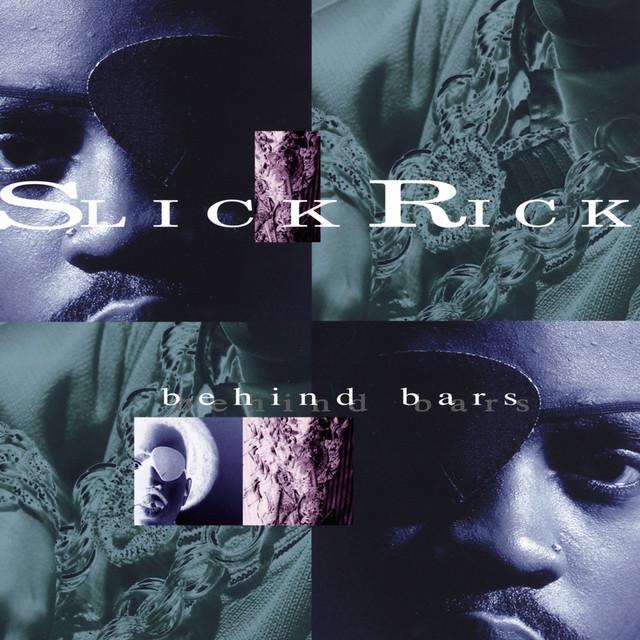
Why Slick Rick’s “Behind Bars” Still Hits
The meaning of Behind Bars Slick Rick starts with a simple fact: this is not a fantasy crime tale. It is a prison story told with fear, wit, and detail. Released in 1994 as the first single from Slick Rick’s third album of the same name, the song arrived while he was incarcerated, which made its point feel immediate and real.
"Behind Bars" - Slick Rick
Lord played witty wasn't having any pity
Now in Razor Blade City
Loading lyrics...
Unable to load lyrics
We're unable to display the lyrics at this time. Please try again later.
Factually, the single came out on Def Jam on November 8, 1994, and became Slick Rick’s only Billboard Hot 100 entry, peaking at No. 87. It also reached No. 12 on Hot Rap Singles. Those details matter because they show how a deeply uncomfortable song still connected with a wide audience.
A Prison Story, Not a Glamour Story
At its core, the song is about surviving jail day by day. The narrator says he is innocent
, but the song does not spend much time proving that claim. Instead, it focuses on what prison feels like: threats, boredom, isolation, and constant pressure.
That choice is important. Rather than turning prison into a badge of toughness, Slick Rick shows it as a place where freedom, privacy, and safety vanish. The repeated title phrase, behind bars
, becomes more than location. It means being trapped in a whole system of fear.
Interpretation: The song works less like a legal defense and more like a diary of confinement. Whether listeners believe every claim is almost beside the point. The emotional truth comes from the daily grind.
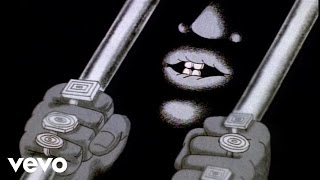
Watch the official Behind Bars
music video
How the Verses Build the World
Each verse adds another layer to that confinement. Early on, the narrator meets extortion and intimidation. Small things, like using the phone or getting commissary, become dangerous. That is why a phrase like cuts and scars
lands so hard: it sums up both physical injury and the mental damage of living under threat.
Later, the song moves into deprivation. He misses the outside world, worries about stolen property, and notices how quickly prison erases comfort and identity. He even turns to exercise and writing as ways to hold onto himself.
did the exercises and wrote raps
I be a bigger star
This is the article’s clearest turning point. The narrator is still caged, but imagination gives him a future tense. He cannot control the cell, yet he can still build a version of himself that survives it.
The Hook’s Real Job
The chorus is brief, but it does heavy lifting. Every time the song returns to behind bars
, it resets the whole story. No matter what happens in a verse—threats, jokes, hopes, violence—the hook reminds listeners that the main fact is captivity.
Interpretation: The refrain almost works like a lock clicking shut. It keeps cutting off escape. That is why the song feels claustrophobic even when the lyrics become funny or boastful.
Storytelling Skills Under Pressure
Slick Rick has long been known as one of hip-hop’s sharpest storytellers, and this track shows why. The writing moves scene to scene with strong visual detail, quick dialogue, and dark humor. Even tense moments have a grim comic edge.
That tone matters. If the song were only bleak, it might feel flat. Instead, Rick mixes fear with swagger, as if style itself is a survival tool. A line like Razor Blade City
turns the prison into a nightmare nickname, but it also shows his gift for world-building.
What the Sound Adds
The production helps carry the meaning of Behind Bars Slick Rick just as much as the lyrics do. According to release credits, producers on the single included Warren G and Epitome of Scratch. The track runs a little over three minutes, but it feels packed because the beat leaves room for narration rather than crowding it.
The instrumental is steady, tense, and stripped enough to keep attention on Rick’s voice. That matters for a narrative song. A busier production might have softened the realism, while this one gives the verses a hard, locked-in motion.
Interpretation: The groove feels like routine—another day, another threat, another count. That repetition mirrors prison life itself.
Context Makes the Song Hit Harder
Real-life context deepens the song without changing its basic message. Slick Rick released it while incarcerated, and the song’s animated video later offered a stylized way to show that world when he could not appear in a standard shoot. Rolling Stone Australia later praised the hand-drawn visual for its harsh satire of the prison system.
That response helps explain the song’s long life. Listeners did not just hear a rapper describing jail. They heard a major storyteller documenting how confinement breaks ordinary life into stress, trade-offs, and survival tactics.
Why It Still Matters
The lasting power of “Behind Bars” comes from its refusal to romanticize prison. It is vivid, sometimes funny, sometimes brutal, but never comfortable. The narrator dreams, jokes, and boasts, yet the song keeps returning to the same truth: captivity shrinks a person’s world.
For many listeners, that is the real meaning of Behind Bars Slick Rick. It is a story about prison, but also about dignity under pressure. Even when the narrator sounds clever or defiant, the song never lets them forget the cost.
Final Take
“Behind Bars” stands out because it turns prison from an abstract idea into a lived experience. Slick Rick uses detail, rhythm, and perspective to show how confinement attacks both body and mind.
This interpretation is based on the lyrics, known release context, and the song’s production history. As with any art, some meanings remain open to the listener.








