Why "Children's Story" Still Hits Hard
The meaning of Children's Story Slick Rick starts with a trick: it sounds like a bedtime tale, but it turns into a warning. Slick Rick frames the song with kids asking for a story, then gives them one about a teenager pulled into robbery, panic, and death. That contrast is the point. The song uses a playful setup to make a harsh lesson easier to hear.
"Children's Story" - Slick Rick
Would you read us a bedtime story?
Please, huh? Please?
Loading lyrics...
Unable to load lyrics
We're unable to display the lyrics at this time. Please try again later.
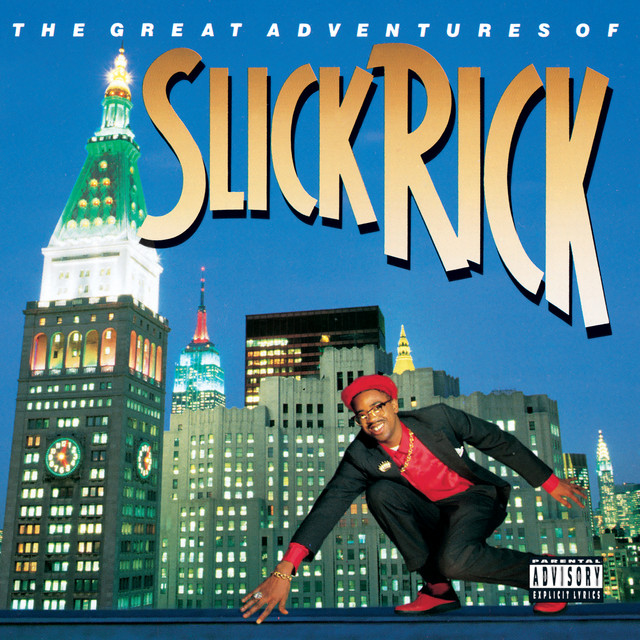
Released in 1989 as a single from The Great Adventures of Slick Rick, the track became Rick’s biggest hit and one of rap’s most celebrated story songs, according to Wikipedia. It was written and produced by Ricky Walters, better known as Slick Rick. Those facts matter because the song feels personal and controlled: they are hearing a storyteller who built both the words and the mood.
A Bedtime Story With No Safe Ending
On the surface, the plot is simple. A young boy is pushed toward crime by another boy, starts robbing people, and quickly loses control. What begins as easy money turns into a spiral of fear, police pursuit, and bad choices.
Slick Rick signals the old-fable style with Once upon a time
, but he twists that phrase. This is not fantasy. It is urban reality told like folklore, as if crime stories have become the modern cautionary tales children inherit.
Interpretation: the song is not celebrating the outlaw figure. It shows how fast swagger collapses under pressure. The boy seems powerful with a weapon, but every move makes him weaker, more trapped, and more desperate.

Watch the official Children's Story
music video
How the Plot Builds the Warning
One reason the song still works is its clean structure. Rick tells the events in a straight line, so listeners can follow the boy’s moral fall step by step.
The slide from temptation to chaos
At first, crime looks profitable. The boys plan to make money by targeting vulnerable people. But once the robber gets a taste for easy cash, Slick Rick suggests he cannot stop. That loss of control is central to the song’s message.
Soon, the character tries to rob an undercover officer. From there, the story shifts into chase mode: a struggle, a drawn gun, a sprint through the neighborhood, and a chain of reckless decisions. When Rick says the lil' boy was strapped
, the line lands as a turning point. Petty theft becomes potentially fatal violence.
Fear replaces bravado
The boy does not act like a mastermind. He acts like a scared teenager improvising. He runs, misses shots, steals a car, crashes, and grabs a hostage. Each scene shrinks his options.
That is why the late line wrong path
matters so much. Slick Rick is not just judging one bad act. They are hearing a full map of consequences, where one choice opens the door to five worse ones.
He was only seventeen, in a madman's dream
This brief moment gives the song its deepest sadness. The character is not presented as a legend. He is a kid inside a nightmare bigger than him.
The Sound Makes the Story Move
Production is a huge part of the meaning of Children's Story Slick Rick. The beat feels light on its feet, even catchy, which creates tension with the dark subject matter. Research on the song notes that its piano figure interpolates the bassline from Bob James’s “Nautilus,” a piece with deep roots in hip-hop culture and block-party history.
That musical choice matters because the groove never becomes melodramatic. Instead, it rolls forward while Rick speaks in a calm, almost conversational tone. That calm delivery makes the violence hit harder. He does not scream the lesson; he narrates it.
Critics have often pointed to that balance. Albumism called it dark and upbeat at once, while Rolling Stone described it as a defining storytelling rap performance. Those views fit the record well: the track is danceable, but its plot keeps tightening like a thriller.
Why Slick Rick’s Voice Matters So Much
Slick Rick is often called one of rap’s great storytellers, and this song explains why. He uses character voices, pacing, and small visual details to make scenes easy to picture. Even the opening skit with “Uncle Ricky” helps. It creates distance at first, then removes it once the story turns violent.
He also avoids preaching too early. Instead of giving a lecture, he lets the listener watch the disaster unfold. By the time the moral arrives, they have already felt it.
When the song closes with Straight 'n narrow
, the phrase sounds old-fashioned on purpose. It echoes parental advice, church language, and children’s lessons. After all the running and gunfire, that simple warning lands with force.
More Than a Crime Tale
There is another reason the song lasts. It is about crime, but it is also about youth, influence, and how fast identity can harden around one bad role. The boy starts by following someone else’s lead. Later, he seems trapped inside an image of toughness he cannot safely escape.
Interpretation: the final tragedy suggests a system where teenage mistakes become fatal. The song does not excuse the robber’s actions, but it does underline his age and panic. That keeps the ending from feeling triumphant.
Its legacy supports that reading. The song was a major chart hit, became one of the most sampled rap tracks ever, and later inspired artists across generations. That endurance comes from more than nostalgia. They keep returning to it because the storytelling is vivid, the warning is clear, and the human cost still feels real.
Why the Message Still Lands Today
The meaning of Children's Story Slick Rick is ultimately about consequences dressed as entertainment. It grabs listeners with humor, rhythm, and vivid scenes, then leaves them with a moral shock. The song says crime can begin as playacting, pressure, or easy money, but it rarely stays small.
That is why it still feels fresh. It is cinematic without losing empathy, moral without sounding stiff, and catchy without softening the danger. Interpretation: Slick Rick’s real genius is that they can enjoy the craft while still feeling warned by the ending.
Disclaimer: This interpretation is based on the lyrics, performance, and documented context around the song. As with all art, listeners may hear additional meanings.








