Why Slipknot’s ‘Birth Of The Cruel’ Feels So Toxic
Slipknot’s “Birth of the Cruel” is not just a rage song. The meaning of Birth Of The Cruel Slipknot points to something darker: the moment pain hardens into hostility. Rather than showing anger as a quick outburst, the track treats it like a transformation. Someone feels betrayed, shaped by conflict, and then remade into a colder version of themselves.
"Birth Of The Cruel" - Slipknot
Let him crave your wisdom
Let him crave
Loading lyrics...
Unable to load lyrics
We're unable to display the lyrics at this time. Please try again later.
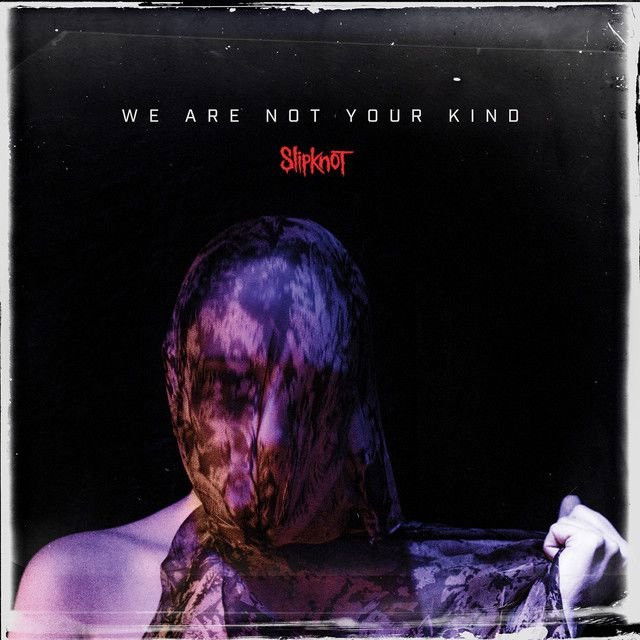
Released on August 5, 2019, as the third single from We Are Not Your Kind, the song arrived just before the album and was produced by Greg Fidelman with the band. It is widely described as one of the record’s more brooding and groove-heavy tracks, with critics at Metal Hammer, NME, and Rolling Stone all emphasizing its menacing mood. Facts about the release and credits are summarized by sources including Wikipedia and contemporary coverage from major music outlets.
The Song’s Core Idea: Pain Becoming Identity
At its center, the song is about damage turning into character. The speaker does not present themselves as innocent. Instead, they sound painfully aware of their own corruption. When the lyric uses the phrase Judas
, it points to betrayal, guilt, and self-disgust all at once.
That matters because the song never says suffering automatically makes a person noble. In this world, suffering can also make someone cruel. The title phrase suggests a kind of origin story: the “cruel” person is not born pure evil, but created through pressure, resentment, and emotional warfare.
Watch the official Birth Of The Cruel
music video
A Voice Fighting Power, Shame, and Control
One of the strongest threads in the song is rebellion against authority. The repeated idea of being over your throne
sounds like a rejection of someone who once held power over the speaker. That could be a parent, leader, lover, social order, or even religion.
The opening references to a “Father” and self-control deepen that tension. Interpretation: they may suggest a moral figure who offers wisdom and discipline, but the song quickly shows that this guidance has failed. Instead of peace, the speaker ends up staring at the enemy and becoming one too.
This is where the song gets interesting. They are not only accusing others; they are also admitting their own damage. The line about the silver line
twists the idea of a silver lining into something more desperate and selfish, as if hope itself has been corrupted.
The Chorus Turns Suffering Into a Doctrine
The refrain is where the song’s message becomes clearest. It frames pain as a brutal teacher and almost a twisted blessing. The short phrase burned me
does not just describe hurt; it suggests purification through violence.
Death of the fool
Birth of the cruel
This is the song’s central transformation in miniature. A naïve self dies, and a harsher self takes over. Interpretation: Slipknot are not celebrating cruelty here so much as dramatizing how trauma can make cruelty feel necessary for survival.
That helps explain why the chorus feels so harsh but also so triumphant. The speaker sounds injured, yet empowered by injury. The song asks whether that empowerment is real growth or just another form of damage.
How the Verses Build a World of Rot
The verses pile up images of disease, spite, bitterness, and social decay. That language makes the track feel bigger than one argument between two people. It starts to sound like a whole culture gone wrong.
When the song refers to the bitter
and the maladjusted, it creates a collective identity. This is not one isolated narrator anymore. It becomes a tribe of outsiders who feel rejected by the world and answer that rejection with contempt.
There is also a line about all dimensions being polluted by despair. That image widens the scope even more. Interpretation: the song may be describing a society where emotional contamination is everywhere, where private trauma and public ugliness feed each other.
Why the Music Makes the Meaning Hit Harder
The sound of “Birth of the Cruel” carries much of its meaning. Coverage from Rolling Stone described jagged guitars, growling bass, double-kick drums, heavy toms, and turntables pushing the song from tension into explosion. That arrangement fits the lyric theme perfectly.
The verses feel coiled and uneasy rather than fast for the sake of speed. Then the chorus opens up into something more stomping and ritualistic. This creates the sense of a person trying to hold themselves together before finally giving in to violent feeling.
Zane Lowe compared the track’s mood to Alice in Chains, and Corey Taylor agreed, calling it dark and saying it had a pulling, lurching quality. That comment is useful because “lurch” is exactly how the song moves. It drags itself forward like a wounded thing that refuses to die.
Slipknot Context Matters Here
Within We Are Not Your Kind, this song fits a period where Slipknot leaned into atmosphere as much as impact. It still has the band’s aggression, but it is less about chaos for its own sake and more about psychological pressure.
The title is often read as a play on Birth of the Cool, the Miles Davis-associated phrase noted in coverage of the single. That contrast is smart. “Cool” suggests control, style, and distance. “Cruel” suggests emotional ruin, punishment, and deformation. The title alone tells listeners this will be a darker kind of becoming.
Final Take on the Meaning
The meaning of Birth Of The Cruel Slipknot is the making of a hostile self through betrayal, pain, and disillusionment. Its speaker rejects old authority, admits deep damage, and turns suffering into a survival code.
What makes the song powerful is that it never sounds simple. It is angry, but also ashamed. It is defiant, but also trapped. That tension is why “Birth of the Cruel” feels less like a villain anthem and more like a portrait of what happens when hurt is left to grow teeth.
Disclaimer: This interpretation is based on the song’s lyrics, sound, and public context. As with most Slipknot songs, listeners may hear different meanings in the same imagery.








