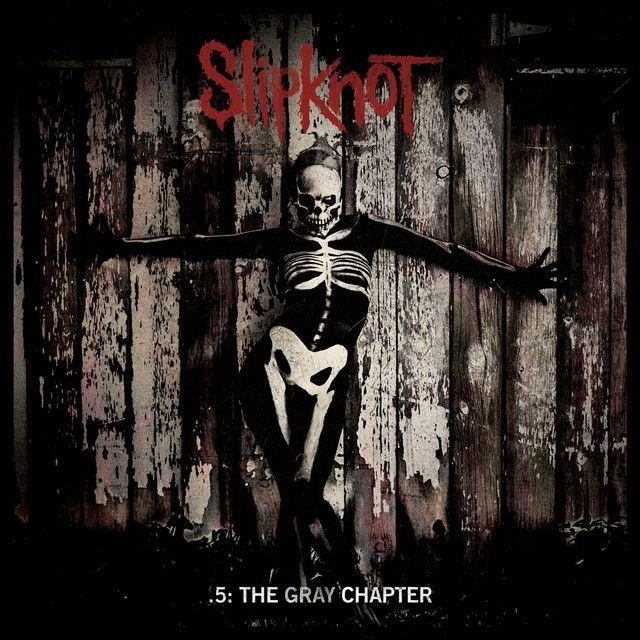
Nomadic by Slipknot
Slipknot’s “Nomadic” is a fight between the mask and the wound. The verses spit venom while the chorus admits collapse. For fans asking about the meaning of Nomadic Slipknot, this track captures the band’s post‑trauma rage turning outward, even as doubt keeps flooding back in.
"Nomadic" - Slipknot
Not again, not another excuse
The epidemic is codependent
Loading lyrics...
Unable to load lyrics
We're unable to display the lyrics at this time. Please try again later.
Anger After Grief, And Why It Boils Over
Written during the .5: The Gray Chapter era, the song sits in the album’s grieving arc after the death of bassist Paul Gray. In interviews, Corey Taylor has framed this track as the point where anger finally kicks in, and where expectations of “toughness” punish real emotion. In that light, the song’s fury reads as a coping mechanism—louder than sorrow, but built on it.
Watch the official Nomadic
music video
A Voice That Performs Power While Asking For Help
The narrator speaks in first person and aims at a shifting “you.” They threaten with lines like I’m gonna make you cry tonight
, but the chest‑beating is theater. Each bark is followed by confession: I can’t let go
and lost again
. The push‑pull reveals a damaged leader who needs to be hated to feel in control. It’s an armor of provocation hiding a plea for relief.
What Unfolds, Beat By Beat
- Opening stance: the singer tries to skip excuses and declare dominance, calling themselves the
silver in the bullet
—a savior and an executioner at once. - Pre‑chorus turn: threats escalate, but it’s performative heat meant to keep others at a distance.
- Chorus reveal: identity unravels. They admit they’re
lost again
and question who they are without the performance. The claim thatthe status quo is not a punishment
sounds like denial; routine has become a cage. - Second‑verse scope widens: the lyrics attack black‑and‑white thinking, suggesting that moral absolutes can feel authoritarian. This shifts blame outward while hinting the system and the self are locked in the same trap.
- Later bridge and verse: religious and legal images appear—
feet on the bible
, “evidence,” “crime”—invoking judgment and guilt. The narrator toys with faith and consequence, as if daring a higher court to rule on their pain.
Symbols That Bite Back
- Bullet/trigger: Calling themselves the
silver in the bullet
and the “trigger” fuses savior myth with destructive impulse. Interpretation: they fantasize about decisive action because inner life feels chaotic. - Masks/disguises: “Disguises show me” implies they only recognize themselves when performing. Interpretation: identity has become a role, not a core.
- Status quo/home: Saying
the status quo is not a punishment
and then that it “feels like home” captures how numbness becomes familiar. Interpretation: comfort isn’t healing; it’s surrender. - Faith and judgment: With
feet on the bible
, the song stages a trial. Interpretation: the narrator wants absolution but also wants to reject rules that might contain them. - Fire/industrial imagery: References to fuel and heat suggest a desire to purge. Interpretation: cleansing by flame is cathartic, but it can also scorch what’s left.
How The Sound Wears The Wound
Musically, “Nomadic” swings between battering riffs and a surging, melodic chorus. That contrast enacts the lyrics’ split: aggression as shield, melody as admission. Guitars carve tense, syncopated patterns that resolve into harmonized lines; drums snap from lockstep chugs to fast double‑kick runs, like pulses spiking under stress. Taylor’s delivery snarls in the verses, then opens up when the doubts surface, widening the emotional range.
The production—tight low‑end punch, knife‑edge guitars, and crisp vocal layering—keeps the band’s nine‑piece chaos focused. This precision mirrors the song’s control fantasy: polish on the surface, turbulence underneath.
What It Might Also Mean
- Interpretation: A critique of rigid masculinity. The narrator’s threats read like learned behavior—performing toughness because tears are forbidden. The act collapses in the hook.
- Interpretation: An attack on binary morality. The dismissal of black‑and‑white thinking, paired with courtroom and church imagery, challenges systems that demand absolute answers to messy human pain.
Both lenses fit because the song resists a single verdict. It’s about what anger hides—and what it can never fix.
Takeaway For Listeners
For anyone parsing the meaning of Nomadic Slipknot, the song is a snapshot of rage trying to protect grief. The hook confesses what the verses deny, and that friction is the point. They sound invincible, then admit they’re still searching. That honesty, however jagged, is why the track lands.
Disclaimer: Lyric interpretations are subjective and reflect one informed reading of the song.