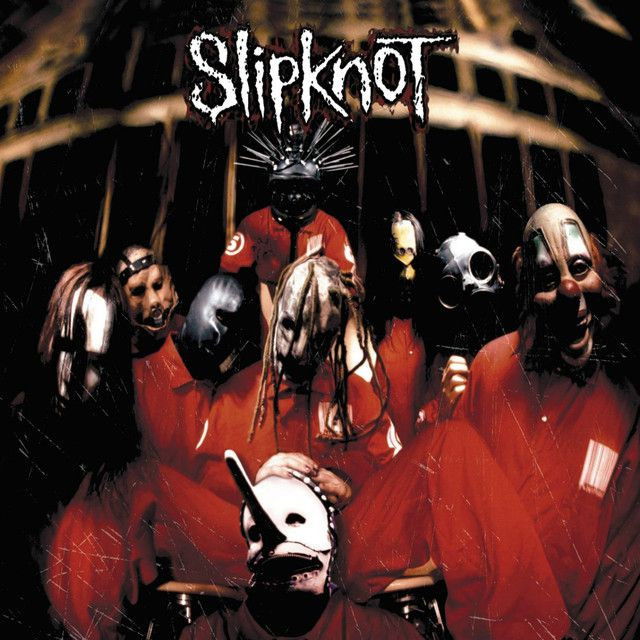
Purity by Slipknot
Why This Song Still Feels So Disturbing
The meaning of Purity Slipknot starts with panic. The song sounds like a person trapped in a nightmare, begging to be seen before it is too late. On the surface, it describes captivity and suffocation. Under that, it also reads like a portrait of mental collapse, rage, and the pain of being treated as less than human.
"Purity" - Slipknot
Maze, psychopathic daze, I create this waste
Back away from tangents, on the verge of drastic
Loading lyrics...
Unable to load lyrics
We're unable to display the lyrics at this time. Please try again later.
Factually, "Purity" appeared on Slipknot’s 1999 self-titled debut and was later removed from some editions because of legal issues tied to related material, before returning on the 10th anniversary release. It was recorded at Indigo Ranch and produced by Ross Robinson, a key figure in late-1990s heavy music. According to available album history, the song was inspired by an online story about a girl named Purity Knight who was supposedly buried alive, a story later understood to be fictional.
Watch the official Purity
music video
A Horror Scene That Doubles as a Mental State
The lyrics place the speaker in a space that feels buried, enclosed, and airless. Phrases like homemade cellar
and hole for shelter
make the setting feel crude and cruel. It is not just a prison. It is a place built to erase someone.
That is why the song works on two levels:
- Literal reading: a victim is trapped and begging for help.
- Interpretive reading: the speaker feels buried by trauma, contempt, and inner chaos.
The repeated cries for someone to hear or find them suggest isolation more than simple fear. They are surrounded by people, yet still unseen. When the song says others stare but never understand, it turns the scene from physical horror into social and emotional alienation.
The Voice Inside the Song
Slipknot write the song in a direct first-person voice, but the emotional effect reaches beyond one character. The speaker sounds disoriented, ashamed, angry, and desperate all at once. Short lines like slowly dying
and I can't get out
keep the emotion simple and brutal.
That simplicity matters. Instead of telling a detailed story, the lyrics trap the listener in a cycle of sensation: pressure, sweat, suffocation, disgust, and rage. The words do not move calmly from point A to point B. They spiral.
You all stare
but you'll never see
There's something inside me
This is the song’s emotional center. The speaker is not just hidden underground. They are hidden in plain sight. Interpretation: Slipknot use burial as a symbol for what it feels like when pain is visible to the sufferer but invisible to everyone else.
What the Chorus and Title Really Do
The title word, repeated at the end, is one of the song’s sharpest choices. In normal use, “purity” suggests innocence, cleanliness, or something untouched. Here, it lands with bitter irony.
By the time the title arrives, the song has already filled the listener with images of confinement, fear, and violation. So the repeated word does not sound pure at all. It sounds corrupted. Interpretation: the title may point to innocence under attack, or to society’s habit of turning real suffering into an idea, a label, or a spectacle.
The line about something inside the speaker, followed by the admission of hatred toward the people watching, deepens that idea. This is not only fear. It is also resentment toward those who judge from a distance.
Sound as a Trap Door
A big part of the meaning of Purity Slipknot comes from the arrangement. Slipknot’s early sound combined down-tuned guitars, pounding drums, extra percussion, turntables, and samples into something dense and unstable. On this track, that approach creates a boxed-in feeling.
Ross Robinson’s production style is important here. He was known for pushing bands toward raw, physical performances, and this song benefits from that pressure. The drums feel like blows against a wall. The guitars grind instead of soaring. Corey Taylor’s voice moves from controlled pain to near-hysterical release, making the song feel lived-in rather than theatrical.
Even the repetition helps. The recurring lines do not offer comfort. They act like panic returning in waves. That is why the song feels claustrophobic even when the words are sparse.
Context Matters: The Story Behind the Song
The band’s inspiration came from the “Purity Knight” story circulating online in the late 1990s. Because that material was presented as if it were real, it had a strong effect on the band at the time. Corey Taylor also said the song had earlier roots under the title “Despise,” and that Ross Robinson helped restructure it.
This background does two things. First, it explains the buried-alive imagery. Second, it shows why the song feels bigger than a simple true-crime retelling. The band used that premise to express disgust, helplessness, and emotional suffocation.
The song’s later removal from some album editions also became part of its legacy. That history gave “Purity” an almost forbidden aura among fans, which helped it stand out as one of the creepiest pieces from Slipknot’s debut era.
Final Reading: Fear, Dehumanization, and Exposure
In the end, the meaning of Purity Slipknot is about more than a person in a box. It is about what happens when someone is reduced, watched, ignored, and pushed past the edge of endurance. The imagery is violent, but the emotional point is recognizable: they want to be understood before rage replaces fear.
That is why the song lasts. It turns horror into a feeling many listeners understand in less literal ways—alienation, panic, and the need to be seen.
Disclaimer: This interpretation combines documented background with critical reading of the lyrics and sound. As with most songs, some meanings remain open to listener interpretation.







