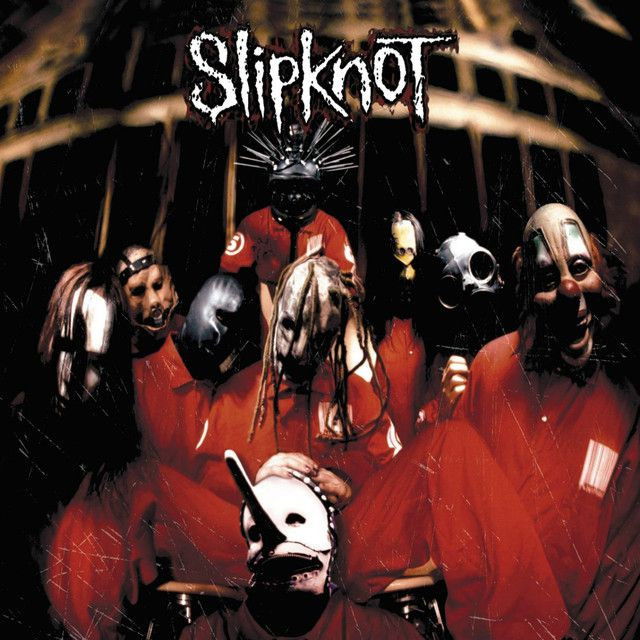
Tattered & Torn by Slipknot
Slipknot’s seventh track on their 1999 debut is a panic attack set to metal. It compresses dread into sharp fragments, then repeats them until the listener’s nerves fray. If you’re looking for the meaning of Tattered & Torn Slipknot, think of a mind trying—and failing—to carve out an exit.
"Tattered & Torn" - Slipknot
Something aches
Bad things slither
Loading lyrics...
Unable to load lyrics
We're unable to display the lyrics at this time. Please try again later.
Why This Track Still Shreds the Nerves
At its core, the song is about feeling broken and trapped inside your own head. The narrator senses pain everywhere and tries to rip themselves away from it. Lines like Something aches
and Bad things slither
sketch a body invaded by fear.
Interpretation: the voice treats pain like a parasite. They want distance from the things that keep hurting them, but every attempt to separate only triggers another surge of panic. The cycle repeats and intensifies.
Watch the official Tattered & Torn
music video
The Voice Inside the Mask
The song speaks in first person, but the “I” feels unstable—more symptom than character. When they say This is cerebral
, they frame the torment as mental, not just physical. Yet the imagery stays tactile and immediate, like horror you can touch.
Slipknot built their early identity around masks and alter‑egos. Here, the mask sounds less like theater and more like a necessary shield. The narrator is trying to contain something boiling over.
From Panic Room to Purge: A Loose Timeline
- The rush begins with body‑level pain and dread.
- The room closes in; they
can't find a window
—no exit, no relief. - Rage turns outward:
I make you my enemy
, a common trauma reflex that pushes people away before they can hurt you. - The imagery veers toward self‑harm and surgical rupture, as if cutting pain out would finally end it.
- The refrain lands like a mantra: sever, separate, survive.
The Hook That Hurts on Purpose
The refrain is the song’s thesis, repeated until it becomes ritual:
Tearing myself apart From the things that make me hurt
Interpretation: it’s not self‑pity. It’s a brutal coping strategy—ripping away habits, relationships, and even thoughts that amplify pain. The risk is obvious: when everything feels like a trigger, you can end up tearing at yourself.
Symbols, Brutal and Bare
- Burning floors: danger with no stable ground; panic has erased the safe places.
- Medieval vs. cerebral: old‑world torture and modern mental strain collide, suggesting pain that is both primal and psychological.
- Severed nerves: numbness as a survival hack—if you can’t feel, you can’t hurt. But numbness also cuts you off from help.
- Open wrists: an extreme image of rupture. Whether read literally or metaphorically, it marks a point where the narrator would do anything to stop the noise.
These images have no cozy payoff. They’re meant to make the listener recoil—and recognize the feeling.
How The Sound Weaponizes Anxiety
On Slipknot’s debut, producer Ross Robinson captured the band at their rawest, keeping air in the room and volatility in the takes. The track’s lurching groove, detuned guitars, and sandpaper textures sound unstable by design. Multiple percussionists pile on syncopated hits that never quite sync up with comfort.
Sid Wilson’s turntable scratches and samples act like jump‑cuts in a horror film, snapping the listener out of any steady pulse. Corey Taylor moves from restrained mutters to throat‑scoured barks, mirroring a mind flipping between suppression and explosion. The mix doesn’t offer much space; it pins the voice to the wall, which is exactly the point.
Context: Rare Cut, Lasting Impact
Released in 1999 on Roadrunner Records, the song arrived during a wave of heavy music that fused hip‑hop textures, industrial noise, and extreme metal. Among those tracks, this one stands out for its stark, chant‑like form.
Reports and recent setlists suggest it finally entered live rotation in 2024, sometimes framed as a Sid Wilson–driven take. That scarcity feeds its myth: a deep‑cut that feels almost too raw for the stage.
Alternate Readings: Trauma, Addiction, or Art‑Process?
- Interpretation—Trauma loop: The narrator relives hurt, then tries to pre‑empt the next blow by severing ties. The refrain becomes a maladaptive ritual.
- Interpretation—Addiction struggle: “Tearing” reads like forced detox from a substance or behavior that hurts but beckons. The enemy is compulsion, not a person.
- Interpretation—Art as exorcism: For a band that treats performance like purge, the track models how creation can slice away rotten parts, even if it stings.
The Lasting Impression
“Tattered & Torn” doesn’t comfort. It validates the sensation of being flooded by pain and wanting a way out, fast. That honesty—ugly, immediate, and physical—is why it still crawls under the skin.
Disclaimer: Song meanings are subjective. This analysis reflects one informed interpretation based on lyrics, sound, and public context.